Hey there, folks! As a supplier of Home Appliance Die, I've seen my fair share of home appliances going through their ups and downs. Today, I wanna talk about air conditioners – those life - savers during the sweltering summer months. But just like any other machine, air conditioners can start to show signs that they're on their way out. Let's dive into what those signs are.
1. Poor Cooling Performance
One of the most obvious signs that your air conditioner might be dying is when it just can't cool your space like it used to. You set the thermostat to a nice, cool temperature, but it feels like the AC is barely making a dent in the heat.
There could be a few reasons for this. First off, the refrigerant might be low. Refrigerant is what cools the air in your AC. Over time, there could be leaks in the system, causing the refrigerant levels to drop. Without enough refrigerant, the AC can't effectively cool the air.
Another reason could be a dirty or clogged condenser coil. The condenser coil is responsible for releasing heat from the refrigerant. If it's covered in dirt, dust, or debris, it can't do its job properly. This makes the AC work harder, and it won't cool your home as well. And if your AC has to work extra hard for a long time, it can lead to more serious problems and eventually, its demise.
2. Strange Noises
Your air conditioner should run relatively quietly. If you start hearing strange noises coming from it, that's a red flag.
Grinding or squealing sounds are usually a sign of a mechanical problem. It could be that the fan motor is wearing out, or there's an issue with the compressor. The compressor is like the heart of the air conditioner, and if it's making odd noises, it could be on its last legs.
Banging or rattling noises might mean that there's something loose inside the unit. It could be a screw, a part that's come loose, or even a foreign object that's gotten into the AC. Ignoring these noises can lead to further damage and a shorter lifespan for your air conditioner.

3. High Energy Bills
If you notice a sudden spike in your energy bills without any significant change in your usage patterns, your air conditioner could be the culprit. A dying air conditioner has to work harder to maintain the desired temperature. This means it uses more electricity, which shows up as a higher bill.
As I mentioned earlier, issues like low refrigerant, dirty coils, or a malfunctioning compressor can make the AC less efficient. And when it's less efficient, it consumes more energy. So, if you see your energy bills going up and your AC is a few years old, it might be time to start thinking about a replacement.
4. Frequent Cycling On and Off
A healthy air conditioner should cycle on and off at regular intervals to maintain a consistent temperature. But if your AC is constantly turning on and off, it's not normal. This is called short cycling.
Short cycling can be caused by a variety of issues. It could be due to a faulty thermostat that's not accurately reading the temperature. Or it could be a problem with the compressor or the refrigerant levels. Frequent cycling puts a lot of stress on the components of the air conditioner, which can lead to premature failure.
5. Water Leaks
If you see water pooling around your air conditioner, that's a sign that something's wrong. There are a few possible causes for water leaks.
The condensate drain line could be clogged. The condensate drain line is responsible for removing the water that's produced when the AC cools the air. If it gets blocked with dirt, algae, or debris, the water has nowhere to go and will start to leak.
Another possibility is a problem with the refrigerant lines. If there's a leak in the refrigerant lines, it can cause the surrounding air to cool rapidly, leading to condensation and water leaks. Water leaks can damage your floors, walls, and even the structure of your home, so it's important to address them right away.
6. Bad Odors
When you turn on your air conditioner and there's a bad smell, that's not a good sign. There are a few different types of bad odors and what they could mean.
A musty or moldy smell could indicate that there's mold or mildew growing inside the AC unit. This can happen if there's excess moisture in the system, which can be caused by a clogged drain line or a problem with the humidity control.
A burning smell is even more serious. It could mean that there's an electrical problem, like a short circuit or an overheating motor. A burning smell should be investigated immediately, as it can pose a fire hazard.
How Our Home Appliance Dies Can Help
Now, you might be wondering what this has to do with me as a Home Appliance Die supplier. Well, when it comes to manufacturing new air conditioners, high - quality dies are essential.
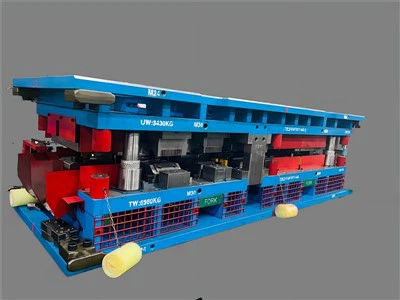
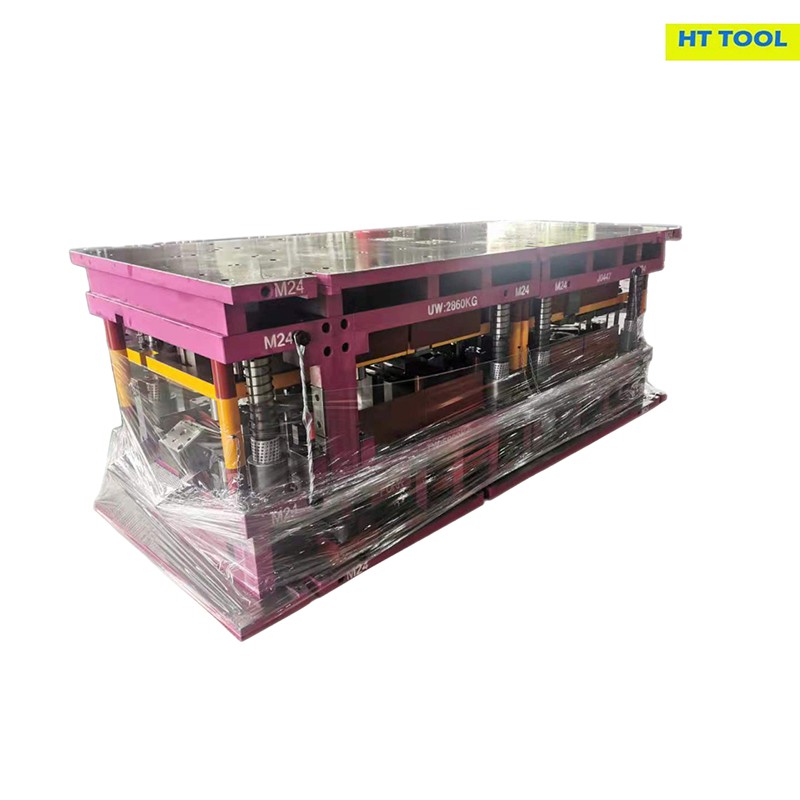
We offer a wide range of dies for home appliances, including Tandem Die, Microwave Oven Die, and Progressive Die Metal Stamping. These dies are used to create the various parts of air conditioners and other home appliances with precision and efficiency.
When manufacturers use our high - quality dies, they can produce reliable and long - lasting air conditioners. Our dies are designed to withstand the rigors of mass production and ensure that each part is made to the highest standards. So, if you're in the business of manufacturing home appliances, especially air conditioners, partnering with us can help you create products that are less likely to show the signs of a dying air conditioner that we've discussed.
Time to Think About Replacement
If your air conditioner is showing multiple signs of being on its last legs, it might be time to start thinking about a replacement. While it can be an expensive investment, a new air conditioner will be more energy - efficient, reliable, and will provide better cooling for your home.
And if you're in the home appliance manufacturing industry and looking for high - quality dies for your products, don't hesitate to reach out to us. We're here to help you create the best home appliances possible. Whether you need dies for air conditioners, microwave ovens, or washing machines, we've got you covered. Contact us for more information and let's start a great partnership!
References
- "Air Conditioning Systems and Equipment" by ASHRAE (American Society of Heating, Refrigerating and Air - Conditioning Engineers)
- "Home Appliance Repair and Maintenance Handbook"