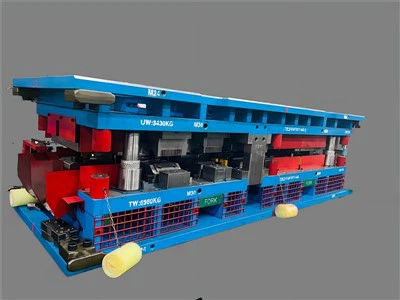
In the world of manufacturing, ensuring the interchangeability of machined parts is a critical aspect that directly impacts the efficiency, reliability, and cost - effectiveness of production processes. As a seasoned machined parts supplier, I've witnessed firsthand the challenges and solutions associated with achieving this goal. In this blog post, I'll share some key strategies and practices that can help in guaranteeing the interchangeability of machined parts.
Understanding the Concept of Interchangeability
Interchangeability refers to the ability of a part to be replaced with another part of the same design and specification without any need for additional fitting or adjustment. This concept is fundamental in mass production, as it allows for seamless assembly, reduces downtime, and enables easy maintenance and repair. For example, in an automotive manufacturing plant, the ability to interchange engine components like pistons or valves can significantly speed up the production line and ensure consistent quality.
Precision Engineering and Design
One of the primary steps in ensuring interchangeability is precision engineering and design. This involves creating detailed and accurate blueprints that specify all the dimensions, tolerances, and surface finishes of the machined parts. By using advanced computer - aided design (CAD) software, we can create 3D models that provide a comprehensive view of the part, allowing for better visualization and analysis.
When designing parts, it's crucial to adhere to industry standards and best practices. For instance, standards set by organizations like the International Organization for Standardization (ISO) provide guidelines on tolerances, surface roughness, and material properties. By following these standards, we can ensure that our CNC Precision Machined Parts are compatible with other components in the system.
Moreover, incorporating modular design principles can enhance interchangeability. Modular design involves breaking down a complex assembly into smaller, independent modules that can be easily replaced or upgraded. This approach not only simplifies the manufacturing process but also makes it easier to manage inventory and perform maintenance.
Quality Control and Inspection
Quality control is an integral part of ensuring the interchangeability of machined parts. At our facility, we have a rigorous quality control system in place that starts from the raw material stage and continues throughout the manufacturing process.
We carefully select high - quality raw materials that meet the required specifications. Before using any material, we conduct thorough inspections to check for impurities, defects, and proper material composition. This helps in ensuring that the final parts have consistent properties and performance.
During the machining process, we use advanced inspection tools and techniques to monitor the dimensions and quality of the parts. Coordinate measuring machines (CMMs) are used to measure the geometric dimensions of the parts with high accuracy. Optical inspection systems can detect surface defects, cracks, and other imperfections. By regularly inspecting the parts at various stages of production, we can identify and correct any issues before they become major problems.
In addition to in - process inspections, we also perform final inspections on the completed parts. This includes a comprehensive check of all the dimensions, tolerances, and surface finishes against the design specifications. Only parts that meet our strict quality standards are approved for shipment.
Process Optimization
Optimizing the machining process is another key factor in achieving interchangeability. We continuously strive to improve our machining techniques to reduce variability and increase consistency.
One way to optimize the process is by using advanced CNC machining technology. CNC machines offer high precision and repeatability, allowing us to produce parts with tight tolerances. By programming the machines accurately, we can ensure that each part is machined to the exact specifications.


We also pay close attention to the cutting tools used in the machining process. Using high - quality cutting tools and maintaining them properly can improve the surface finish and dimensional accuracy of the parts. Regular tool changes and tool wear monitoring are essential to prevent variations in the machining process.
Furthermore, implementing lean manufacturing principles can help in streamlining the production process and reducing waste. By eliminating non - value - added activities and optimizing the workflow, we can improve the overall efficiency and quality of our production.
Material Selection and Compatibility
Selecting the right materials is crucial for ensuring the interchangeability of machined parts. Different materials have different properties, such as strength, hardness, and thermal expansion coefficient. These properties can affect the fit and performance of the parts in the assembly.
For example, when manufacturing Turned Parts, we need to consider the material's machinability. Materials that are easy to machine can result in better surface finishes and dimensional accuracy. At the same time, we also need to ensure that the material is compatible with other components in the system.
In some cases, we may need to use materials with specific properties to meet the requirements of the application. For instance, Brass Parts are often used in applications where corrosion resistance and electrical conductivity are important. By carefully selecting the materials and ensuring their compatibility, we can ensure that the parts function properly and are interchangeable.
Supplier Collaboration and Communication
As a machined parts supplier, we understand the importance of collaborating with our customers and other suppliers. Effective communication with our customers helps us to understand their specific requirements and expectations. By working closely with them from the design stage, we can ensure that the parts we produce are exactly what they need.
We also collaborate with our material suppliers to ensure a consistent supply of high - quality raw materials. By maintaining good relationships with our suppliers, we can get timely deliveries and have better control over the quality of the materials.
In addition, we participate in industry forums and networks to stay updated on the latest trends and technologies in the field of machining. This allows us to continuously improve our processes and offer better products to our customers.
Conclusion
Ensuring the interchangeability of machined parts is a complex but achievable goal. By focusing on precision engineering and design, quality control, process optimization, material selection, and supplier collaboration, we can produce parts that are consistent, reliable, and interchangeable.
As a trusted machined parts supplier, we are committed to providing our customers with high - quality products that meet their needs. If you are in the market for machined parts and are interested in learning more about our products and services, we encourage you to reach out to us for a detailed discussion. We look forward to the opportunity to collaborate with you and contribute to the success of your projects.
References
- ISO Standards Handbook: Geometrical Product Specifications (GPS)
- ASME Y14.5 - 2018: Dimensioning and Tolerancing
- Manufacturing Engineering and Technology by S. Kalpakjian and S. R. Schmid