Hey there! As a supplier of auto upper body parts, I've been in the industry long enough to know that safety standards are no joke. They're the backbone of everything we do, ensuring that the parts we produce not only fit right but also keep drivers and passengers safe on the road. So, let's dive into what these safety standards for auto upper body parts actually are.
First off, let's talk about materials. The materials used in auto upper body parts have to meet strict quality and safety criteria. Most of the time, we're dealing with high - strength steel or aluminum. High - strength steel is great because it's tough and can absorb a lot of energy during a collision. Aluminum, on the other hand, is lightweight, which helps improve fuel efficiency, and it also has good corrosion resistance.
For instance, when we're making fenders or hoods, the steel we use has to have a certain minimum yield strength. This means it can withstand a specific amount of stress before it starts to deform permanently. If the steel doesn't meet this standard, the part might not hold up in an accident, putting the people inside the car at risk.
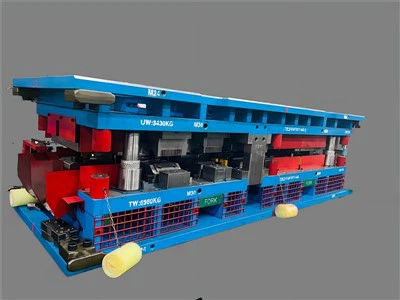
Another important aspect is the manufacturing process. We rely heavily on techniques like metal stamping. This is where the Sheet Metal Progressive Tool Design comes into play. With progressive tool design, we can create complex shapes with high precision. But it's crucial that the tools are designed and maintained properly. If there are any flaws in the tool design, the parts produced might have weak spots or incorrect dimensions.
The Automotive Metal Stamping Die also plays a vital role. These dies are used to shape the metal into the required form. They need to be made from high - quality materials and be able to withstand the high pressures and forces involved in the stamping process. A poorly made die can lead to parts that don't fit correctly or have structural weaknesses.


Now, let's move on to the fit and finish of the auto upper body parts. When a part is installed on a vehicle, it has to fit perfectly. There can't be any gaps or misalignments. This is not just about aesthetics; it's also about safety. For example, if a door panel doesn't fit properly, it might not close securely. In an accident, this could cause the door to open, throwing the occupants out of the vehicle.
We also have to ensure that the surface finish of the parts is up to par. A rough or uneven surface can cause problems over time. It might lead to premature wear and tear, or it could even affect the aerodynamics of the vehicle. Smooth surfaces are not only better for the overall look of the car but also for its performance and safety.
In addition to these physical aspects, there are also regulatory standards that we have to follow. Different countries and regions have their own set of rules and regulations regarding auto safety. For example, in the United States, the National Highway Traffic Safety Administration (NHTSA) sets standards for vehicle safety. These standards cover everything from crashworthiness to the use of certain materials.
We have to make sure that our auto upper body parts comply with these regulations. This means conducting a series of tests, such as crash tests and material analysis. Crash tests are used to simulate real - world accidents and see how the parts hold up. Material analysis helps us ensure that the materials used in the parts meet the required chemical and physical properties.
The Automotive Progressive Die is also an important part of meeting these regulatory standards. Progressive dies allow us to produce parts with consistent quality, which is essential for passing these tests.
When it comes to painting and coating, this is another area where safety standards come into play. The paint and coating used on auto upper body parts have to be durable and resistant to environmental factors. They also have to be non - toxic. Toxic paints can release harmful chemicals into the environment and can even be a health hazard to the people working with the parts or the vehicle occupants.
We use advanced painting and coating techniques to ensure that the parts are protected from rust, corrosion, and UV damage. This not only extends the lifespan of the parts but also maintains their structural integrity.
As a supplier, we take these safety standards very seriously. We have a team of experts who are constantly monitoring and improving our processes to make sure that our auto upper body parts meet or exceed the required safety levels. We also work closely with our customers to understand their specific needs and ensure that the parts we provide are the best fit for their vehicles.
If you're in the market for high - quality auto upper body parts that meet all the safety standards, we'd love to have a chat with you. Whether you're an automaker looking for reliable suppliers or a repair shop in need of top - notch replacement parts, we've got you covered. Don't hesitate to reach out and start a conversation about your procurement needs. We're confident that we can provide you with the best products and services in the industry.
References
- National Highway Traffic Safety Administration (NHTSA) regulations
- Industry best practices for auto upper body part manufacturing