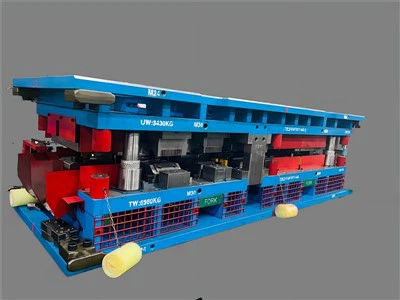
Hey there! As a supplier of single casting dies, I've got a ton of experience when it comes to the ins and outs of these tools. One of the most crucial aspects that often gets overlooked is the working environment where these single casting dies operate. In this blog, I'll break down the key requirements for the working environment of a single casting die, so you can ensure optimal performance and longevity of your equipment.
Temperature and Humidity Control
First off, let's talk about temperature and humidity. These two factors can have a huge impact on the performance and lifespan of a single casting die. You see, extreme temperatures can cause the die material to expand or contract, leading to dimensional changes and potential cracking. High humidity, on the other hand, can promote corrosion and rust, which can damage the die surface and affect the quality of the castings.
For most single casting dies, the ideal temperature range is between 20°C and 30°C (68°F and 86°F). This relatively stable temperature helps to maintain the integrity of the die material and ensures consistent casting quality. To achieve this, you might need to invest in climate control systems, such as air conditioners or heaters, depending on your local climate.
As for humidity, it's best to keep it in the range of 40% to 60%. This can be achieved through the use of dehumidifiers or humidifiers, depending on whether the environment is too wet or too dry. By controlling the humidity, you can prevent corrosion and keep the die surface in good condition.
Cleanliness and Dust Control
Another important requirement for the working environment of a single casting die is cleanliness. Dust and debris can easily find their way into the die cavities, which can cause defects in the castings. Moreover, dust particles can also scratch the die surface, reducing its lifespan and affecting the quality of the finished products.
To maintain a clean working environment, it's essential to implement a regular cleaning schedule. This might involve vacuuming the work area, wiping down the dies with a clean cloth, and using compressed air to blow out any debris from the die cavities. Additionally, you should consider installing air filters in the work area to capture dust and other airborne particles.
Ventilation
Proper ventilation is also crucial for the working environment of a single casting die. During the casting process, various gases and fumes are released, which can be harmful to both the workers and the die itself. These gases can contain chemicals such as sulfur dioxide, nitrogen oxides, and carbon monoxide, which can cause respiratory problems and other health issues.
To ensure a safe and healthy working environment, you need to have adequate ventilation systems in place. This might include exhaust fans, ductwork, and air purifiers. The ventilation system should be designed to remove the gases and fumes from the work area as quickly as possible, preventing them from accumulating and causing harm.
Vibration and Shock Absorption
Single casting dies are often subjected to high levels of vibration and shock during the casting process. These vibrations and shocks can cause the die to move or shift, which can lead to misalignment and poor casting quality. Moreover, excessive vibration can also cause fatigue and stress on the die material, reducing its lifespan.
To minimize the impact of vibration and shock, you should consider using vibration and shock absorption materials. These materials can be placed under the die or around the work area to absorb the energy and reduce the amount of vibration and shock that the die is exposed to. Some common vibration and shock absorption materials include rubber pads, springs, and foam.
Lighting
Good lighting is essential for the working environment of a single casting die. It allows the workers to see the die clearly, which is important for accurate alignment and inspection. Moreover, proper lighting can also help to prevent accidents and injuries in the work area.

You should aim to have bright, even lighting in the work area. This might involve installing overhead lights, task lights, or a combination of both. The lighting should be positioned in such a way that it illuminates the die cavities and other critical areas without creating glare or shadows.
Space and Layout
The space and layout of the working environment can also have a significant impact on the performance and efficiency of a single casting die. You need to ensure that there is enough space around the die for easy access and maintenance. This includes space for the workers to move around, as well as space for the equipment and tools that are used in the casting process.
The layout of the work area should also be designed to minimize the distance that the materials and equipment need to be moved. This can help to reduce the time and effort required to complete the casting process, improving productivity and efficiency. Additionally, the layout should be organized in such a way that it promotes safety and prevents accidents.
Compatibility with Other Equipment
Finally, the working environment of a single casting die should be compatible with the other equipment that is used in the casting process. This includes the casting machine, the furnace, the conveyor system, and any other equipment that is required to produce the castings.
The die should be able to fit properly into the casting machine and be compatible with the operating parameters of the machine. The furnace should be able to provide the appropriate temperature and atmosphere for the casting process, and the conveyor system should be able to transport the castings and materials efficiently.
By ensuring compatibility with other equipment, you can optimize the performance of the entire casting process and ensure that the single casting die operates smoothly and effectively.

Conclusion
In conclusion, the working environment of a single casting die plays a crucial role in its performance and longevity. By controlling the temperature and humidity, maintaining cleanliness, providing proper ventilation, minimizing vibration and shock, ensuring good lighting, optimizing the space and layout, and ensuring compatibility with other equipment, you can create an ideal working environment for your single casting die.
If you're in the market for a single casting die or have any questions about the working environment requirements, don't hesitate to reach out. We're here to help you make the right choice and ensure that your casting operations run smoothly. Whether you're interested in Transfer Die, Steel sheet progressive die, or Automotive Metal Stamping Die, we've got the expertise and the products to meet your needs. Let's start a conversation and see how we can work together to take your casting business to the next level!

References
- "Casting Die Design and Manufacturing Handbook"
- "Industrial Hygiene for Foundries"
- "Die Casting Technology and Applications"