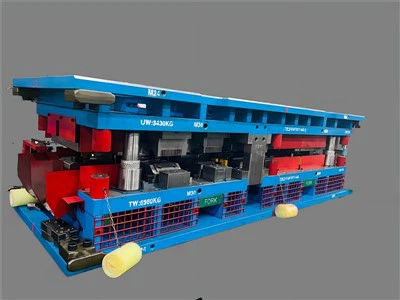
As a leading supplier in the high-speed stamping industry, I understand the paramount importance of conducting thorough inspections on high-speed stamping dies. These inspections are not just routine checks; they are a crucial part of ensuring the quality, efficiency, and longevity of the stamping process. In this blog, I will delve into the key inspection requirements for high-speed stamping dies, sharing insights based on our years of experience in the field.
Visual Inspection
The first step in inspecting high-speed stamping dies involves a comprehensive visual examination. This process allows us to identify any obvious signs of wear, damage, or misalignment. Starting from the die's exterior, we check for scratches, cracks, or dents on the surface of the die components. Scratches can disrupt the smooth flow of the metal strip during stamping, leading to defects in the stamped parts. Cracks, on the other hand, can compromise the structural integrity of the die, potentially causing it to fail during operation.
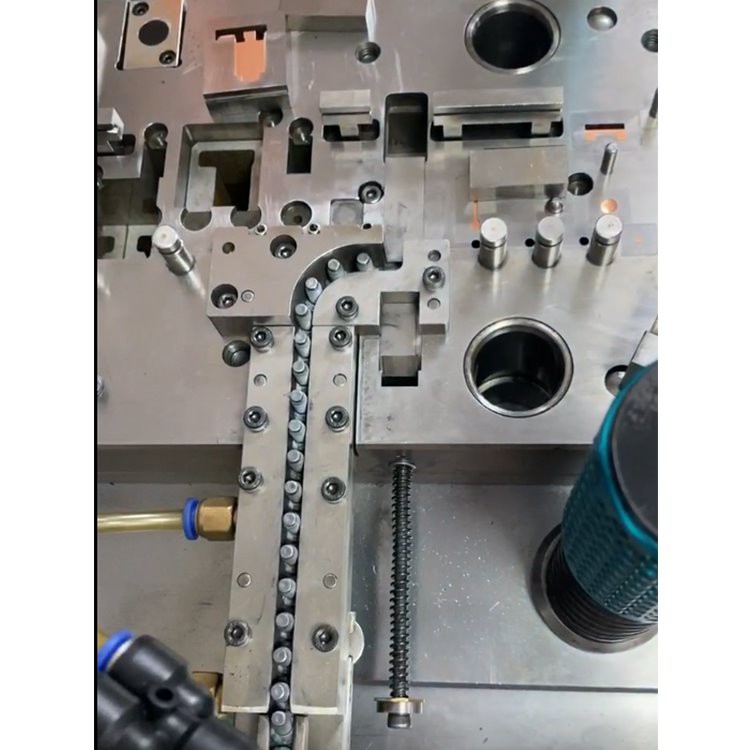
Moving on to the die's internal components, such as punches and dies, we look for signs of wear on the cutting edges. Over time, the cutting edges can become dull due to repeated contact with the metal strip. A dull cutting edge requires more force to cut through the metal, which can lead to increased stress on the die and a decrease in the quality of the stamped parts. We also inspect the alignment of the punches and dies to ensure that they are properly positioned. Misaligned punches and dies can result in uneven cutting, burrs, or even damage to the die itself.
Dimensional Inspection
Accurate dimensions are crucial for the proper functioning of high-speed stamping dies. Therefore, dimensional inspection is an essential part of the inspection process. We use precision measuring tools, such as calipers, micrometers, and coordinate measuring machines (CMMs), to measure the critical dimensions of the die components.
For example, we measure the diameter and length of the punches to ensure that they meet the specified tolerances. Any deviation from the specified dimensions can affect the fit and performance of the punches, leading to issues such as poor punching quality or premature wear. We also measure the clearance between the punches and dies, which is critical for achieving clean and accurate cuts. If the clearance is too large, it can result in burrs and rough edges on the stamped parts. If the clearance is too small, it can cause excessive wear on the cutting edges and increase the risk of die failure.
In addition to measuring the dimensions of individual components, we also check the overall dimensions of the die to ensure that it fits properly into the stamping press. A die that is too large or too small for the press can cause alignment issues and affect the performance of the stamping process.
Material Inspection
The quality of the materials used in high-speed stamping dies has a significant impact on their performance and durability. Therefore, material inspection is an important part of the inspection process. We conduct various tests to ensure that the materials meet the required specifications.
One of the most common tests is the hardness test. Hardness is a measure of a material's resistance to deformation and wear. We use hardness testing equipment, such as Rockwell or Brinell hardness testers, to measure the hardness of the die components. The hardness of the punches and dies should be within a specific range to ensure optimal performance. If the hardness is too low, the cutting edges can wear out quickly. If the hardness is too high, the components can be brittle and prone to cracking.
We also conduct chemical analysis to determine the composition of the materials. This helps us to ensure that the materials contain the right amount of alloying elements, which can affect the material's properties such as strength, toughness, and corrosion resistance. For example, a die made of a high-speed steel alloy should contain a specific percentage of elements such as chromium, vanadium, and molybdenum to achieve the desired hardness and wear resistance.

Functional Inspection
After the visual, dimensional, and material inspections, we conduct a functional inspection to ensure that the high-speed stamping die operates properly. This involves testing the die on a stamping press under simulated production conditions.
During the functional inspection, we monitor various parameters such as the cutting force, the feed rate, and the quality of the stamped parts. The cutting force should be within the specified range to ensure that the die is not overloaded. An excessive cutting force can cause premature wear on the die components and increase the risk of die failure. The feed rate should be consistent and accurate to ensure that the metal strip is fed into the die at the right speed. Any variation in the feed rate can result in inconsistent part quality.
We also inspect the quality of the stamped parts for defects such as burrs, cracks, or incomplete cuts. Defects in the stamped parts can indicate problems with the die, such as dull cutting edges, misalignment, or improper clearance. If any defects are found, we make the necessary adjustments to the die or the stamping process to correct the issue.
Regular Maintenance and Inspection Schedule
To ensure the long-term performance and reliability of high-speed stamping dies, it is important to establish a regular maintenance and inspection schedule. Regular inspections can help to detect and address potential issues before they become major problems, reducing downtime and maintenance costs.
We recommend conducting a visual inspection of the die before and after each production run. This can help to identify any obvious signs of wear or damage that may have occurred during the stamping process. A more comprehensive inspection, including dimensional, material, and functional inspections, should be conducted at regular intervals, such as every few months or after a certain number of production cycles.
In addition to inspections, regular maintenance is also essential for the proper functioning of high-speed stamping dies. This includes cleaning the die components, lubricating the moving parts, and replacing worn or damaged components as needed.
Conclusion
Inspecting high-speed stamping dies is a critical process that ensures the quality, efficiency, and longevity of the stamping process. By conducting visual, dimensional, material, and functional inspections, we can identify and address potential issues before they cause problems. Establishing a regular maintenance and inspection schedule is also essential for keeping the dies in optimal condition.
If you are in the market for high-speed stamping dies or need assistance with die inspection and maintenance, we are here to help. Our team of experts has extensive experience in the high-speed stamping industry and can provide you with the highest quality products and services. For more information about our Compound Tool And Progressive Tool, Punch Riveting Die, or Prototype Die, please contact us to discuss your specific requirements. We look forward to partnering with you to achieve your stamping goals.
References
- "Stamping Die Design Handbook", by Peter DiTommaso
- "Metal Forming Handbook: A Practical Guide to Sheet Metal Operations", by Donald S. Disilvestro