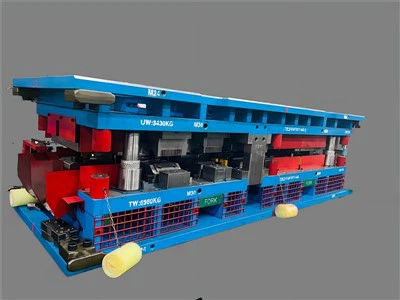
As a seasoned stamping parts supplier, I've witnessed firsthand the transformative power of surface treatment methods in enhancing the performance, durability, and aesthetics of stamped components. In this blog post, I'll delve into the various surface treatment techniques available for stamping parts, highlighting their benefits, applications, and considerations.
Electroplating
Electroplating is a widely used surface treatment method that involves depositing a thin layer of metal onto the surface of a stamped part through an electrochemical process. This technique offers several advantages, including improved corrosion resistance, enhanced conductivity, and a decorative finish.
One of the most common metals used in electroplating is zinc. Zinc plating provides excellent corrosion protection, making it ideal for stamping parts used in outdoor or harsh environments. It also offers a sacrificial layer that corrodes preferentially to the base metal, further extending the lifespan of the part.
Another popular choice is nickel plating. Nickel plating enhances the hardness and wear resistance of stamped parts, making them suitable for applications where friction and abrasion are concerns. It also provides a smooth, shiny finish that improves the aesthetics of the part.
Chrome plating is often used for decorative purposes, as it provides a bright, reflective finish that enhances the appearance of stamped parts. It also offers good corrosion resistance and hardness, making it suitable for applications where both aesthetics and performance are important.
When considering electroplating for stamping parts, it's important to choose the right metal and plating thickness based on the specific requirements of the application. Factors such as the environment, the type of base metal, and the desired finish should all be taken into account.
Powder Coating
Powder coating is a dry finishing process that involves applying a fine powder to the surface of a stamped part and then curing it under heat. This technique offers several benefits, including excellent durability, a wide range of colors and finishes, and environmental friendliness.
One of the key advantages of powder coating is its durability. The powder forms a hard, protective layer that resists chipping, scratching, and fading, making it suitable for applications where the part will be exposed to harsh conditions. It also provides good corrosion resistance, further extending the lifespan of the part.
Powder coating offers a wide range of colors and finishes, allowing for greater customization and aesthetic appeal. Whether you're looking for a smooth, glossy finish or a textured, matte look, powder coating can deliver the desired result.
In addition to its durability and aesthetics, powder coating is also an environmentally friendly option. Unlike traditional liquid coatings, powder coating does not contain solvents or volatile organic compounds (VOCs), which can be harmful to the environment and human health.
When applying powder coating to stamping parts, it's important to ensure that the surface is clean and free of contaminants. Proper surface preparation is essential for achieving a high-quality finish and ensuring good adhesion of the powder.
Anodizing
Anodizing is an electrochemical process that involves creating a protective oxide layer on the surface of aluminum or aluminum alloy stamping parts. This technique offers several benefits, including improved corrosion resistance, enhanced hardness, and a decorative finish.
One of the main advantages of anodizing is its excellent corrosion resistance. The oxide layer acts as a barrier, preventing the base metal from coming into contact with moisture and other corrosive substances. This makes anodized stamping parts ideal for applications where corrosion is a concern, such as in outdoor or marine environments.
Anodizing also enhances the hardness of the surface, making the part more resistant to wear and abrasion. This is particularly beneficial for applications where the part will be subjected to friction or mechanical stress.
In addition to its functional benefits, anodizing also offers a decorative finish. The oxide layer can be dyed in a variety of colors, allowing for greater customization and aesthetic appeal.
When anodizing stamping parts, it's important to control the process parameters carefully to ensure consistent quality and the desired finish. Factors such as the electrolyte composition, the current density, and the anodizing time all play a role in determining the properties of the oxide layer.
Passivation
Passivation is a chemical process that involves treating stainless steel stamping parts to remove free iron and other contaminants from the surface and create a passive oxide layer. This technique offers several benefits, including improved corrosion resistance and enhanced cleanliness.
One of the main advantages of passivation is its ability to improve the corrosion resistance of stainless steel. The passive oxide layer acts as a barrier, preventing the base metal from coming into contact with corrosive substances and reducing the risk of rust and corrosion.


Passivation also helps to enhance the cleanliness of the surface by removing any contaminants that may be present. This is particularly important for applications where the part will be used in a cleanroom or other sensitive environment.
When passivating stainless steel stamping parts, it's important to follow the appropriate procedures and use the right chemicals to ensure effective treatment. The part should be thoroughly cleaned before passivation to remove any dirt, oil, or other contaminants.
Painting
Painting is a traditional surface treatment method that involves applying a liquid paint to the surface of a stamped part. This technique offers several benefits, including a wide range of colors and finishes, good adhesion, and relatively low cost.
One of the key advantages of painting is its versatility. It allows for greater customization and aesthetic appeal, as there are a wide variety of paint colors and finishes available. Whether you're looking for a smooth, glossy finish or a textured, matte look, painting can deliver the desired result.
Painting also provides good adhesion to the surface of the stamped part, ensuring that the paint stays in place and provides long-lasting protection. It can be applied to a variety of base metals, including steel, aluminum, and brass.
In addition to its aesthetics and adhesion, painting is also a relatively low-cost surface treatment option. It can be applied using a variety of methods, such as spraying, brushing, or dipping, depending on the size and shape of the part.
When painting stamping parts, it's important to choose the right paint and application method based on the specific requirements of the application. Factors such as the environment, the type of base metal, and the desired finish should all be taken into account.
Conclusion
In conclusion, surface treatment methods play a crucial role in enhancing the performance, durability, and aesthetics of stamping parts. Whether you're looking for improved corrosion resistance, enhanced hardness, or a decorative finish, there are a variety of surface treatment options available to meet your needs.
As a stamping parts supplier, we have extensive experience in providing high-quality surface treatment services for a wide range of applications. We offer a variety of surface treatment methods, including electroplating, powder coating, anodizing, passivation, and painting, and we can help you choose the right option based on your specific requirements.
If you're interested in learning more about our surface treatment services or would like to discuss your stamping parts needs, please don't hesitate to contact us. We look forward to working with you to provide the best possible solutions for your projects.
References
- ASM Handbook, Volume 5: Surface Engineering
- Metal Finishing Guidebook
- Powder Coating Association Technical Manual
- Aluminum Anodizing Council Technical Manual
For more information about our Precision Stamped Parts and Medical and Fiber Optic Parts, please visit our website. If you have any questions or would like to discuss your specific requirements, feel free to reach out to us. We're here to assist you in finding the best surface treatment solutions for your stamping parts.