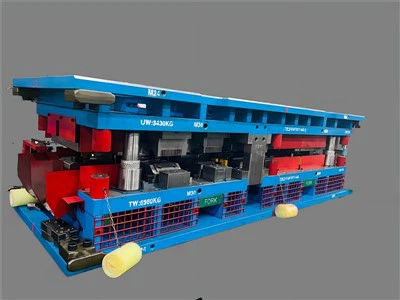
In the dynamic world of manufacturing, high - speed machining has emerged as a game - changing technology for machined parts. As a seasoned machined parts supplier, I have witnessed firsthand the transformative impact of high - speed machining on the industry. This blog post will delve into the key characteristics of high - speed machining for machined parts, exploring how it enhances efficiency, quality, and precision in the manufacturing process.
High Material Removal Rate
One of the most significant characteristics of high - speed machining is its ability to achieve a high material removal rate (MRR). In traditional machining processes, the cutting speed is relatively low, which limits the amount of material that can be removed per unit of time. High - speed machining, on the other hand, operates at much higher cutting speeds, often in the range of several thousand revolutions per minute (RPM). This allows for a rapid removal of material, reducing machining times substantially.
For instance, when machining aluminum alloy parts, high - speed machining can remove material up to five times faster than conventional machining methods. This not only increases productivity but also shortens lead times, enabling us to meet tight customer deadlines more effectively. As a machined parts supplier, this is a crucial advantage as it allows us to handle larger orders and take on more projects without compromising on delivery schedules.


Superior Surface Finish
High - speed machining produces a superior surface finish on machined parts. The high cutting speeds and feeds, combined with advanced tool geometries, result in reduced cutting forces and less vibration during the machining process. This leads to a smoother surface finish, with fewer tool marks and a more refined appearance.
A high - quality surface finish is not only aesthetically pleasing but also has functional benefits. It can improve the corrosion resistance of the part, reduce friction in moving components, and enhance the overall performance of the end - product. As a supplier of machined parts, we understand the importance of delivering parts with excellent surface finishes, as it directly impacts the quality and reliability of our customers' products.
Enhanced Precision
Precision is paramount in the manufacturing of machined parts. High - speed machining offers enhanced precision compared to traditional machining methods. The use of advanced machining centers equipped with high - resolution spindles and servo systems allows for extremely accurate positioning and control of the cutting tools.
The low cutting forces associated with high - speed machining also contribute to better dimensional accuracy. Since there is less deflection of the workpiece and the cutting tool, the final part dimensions are more consistent and closer to the desired specifications. This level of precision is essential for industries such as aerospace, automotive, and medical, where even the slightest deviation can lead to significant performance issues.
Reduced Tool Wear
Despite operating at high speeds, high - speed machining can actually result in reduced tool wear. This is because the high cutting speeds generate a large amount of heat, which softens the workpiece material. As a result, the cutting tool encounters less resistance, reducing the wear and tear on the tool edges.
In addition, modern cutting tools used in high - speed machining are made from advanced materials such as carbide and ceramics, which have high hardness and wear resistance. These tools can withstand the high - speed and high - temperature conditions of high - speed machining, maintaining their cutting performance for longer periods. For a machined parts supplier like us, reduced tool wear means lower tooling costs and more stable production processes.
Ability to Machine Complex Shapes
High - speed machining excels in machining complex shapes and geometries. The combination of high cutting speeds, multi - axis machining capabilities, and advanced CAM (Computer - Aided Manufacturing) software allows for the creation of intricate parts with high precision.
This is particularly beneficial for industries that require custom - made machined parts with complex designs. For example, in the aerospace industry, high - speed machining can be used to create turbine blades with complex aerodynamic profiles. As a machined parts supplier, our ability to handle complex machining tasks gives us a competitive edge in the market, allowing us to serve a wider range of customers.
Applications in Different Machined Parts
Let's take a look at how high - speed machining is applied to different types of machined parts.
Self - Clinching Nuts
Self - Clinching Nuts Self - Clinching Nuts are widely used in sheet metal assemblies to provide a strong and reliable threaded connection. High - speed machining can be used to produce self - clinching nuts with high precision and excellent surface finishes. The fast material removal rate allows for large - scale production, meeting the high - volume demands of the market.
CNC Machining Small Parts
CNC Machining Small Parts CNC Machining Small Parts often require a high level of precision and detail. High - speed machining is well - suited for this task, as it can produce small parts with tight tolerances and smooth surfaces. Whether it's a small gear or a miniature connector, high - speed machining ensures the quality and accuracy of the final product.
Rapid Prototype Machining
Rapid Prototype Machining Rapid Prototype Machining is crucial for product development and testing. High - speed machining enables quick turnaround times for prototypes, allowing designers and engineers to test their concepts and make necessary changes in a timely manner. The ability to machine complex shapes also makes it ideal for creating realistic prototypes of new products.
Conclusion
In conclusion, high - speed machining offers a multitude of benefits for the production of machined parts. Its high material removal rate, superior surface finish, enhanced precision, reduced tool wear, and ability to machine complex shapes make it a preferred choice in the manufacturing industry.
As a machined parts supplier, we are committed to leveraging the latest high - speed machining technologies to provide our customers with the highest quality parts at competitive prices. If you are in need of high - quality machined parts, we invite you to contact us to discuss your specific requirements. Our team of experts is ready to work with you to find the best solutions for your machining needs.
References
- Dornfeld, D. A., Minis, I., & Takeuchi, Y. (2006). Handbook of machining with grinding applications. CRC Press.
- König, W., & Aurich, J. C. (2012). High - speed cutting. CIRP Annals - Manufacturing Technology, 61(2), 653 - 670.
- Shaw, M. C. (2005). Metal cutting principles. Oxford University Press.