Hey there, fellow auto enthusiasts! I'm a supplier of Auto Seat Parts, and I know how frustrating it can be when you need to replace a part of your car seat but don't know how to measure it correctly. In this blog post, I'll share some tips and tricks on how to measure auto seat parts for replacement.
Why Accurate Measurements Matter
First things first, let's talk about why accurate measurements are so important. When you're replacing an auto seat part, you want it to fit perfectly. A poorly fitting part can not only look bad but also affect the functionality and safety of your car seat. For example, if the seat cover is too small, it might not stretch properly and could tear easily. On the other hand, if it's too big, it could bunch up and create a tripping hazard or interfere with the seat's mechanisms.
Tools You'll Need
Before you start measuring, gather the right tools. You'll need a good quality measuring tape. A flexible one is usually better as it can easily follow the curves of the seat. A pen and paper are also essential for jotting down the measurements. And if you have a digital camera, it can be handy to take pictures of the seat and the parts you're measuring for reference later.
Measuring the Seat Cushion
Let's start with the seat cushion. The first measurement you'll want to take is the length. Place the measuring tape at the front edge of the seat cushion, right where it meets the seatback, and stretch it to the back edge. Make sure the tape is straight and not sagging. Write down this measurement.
Next, measure the width. Measure from one side of the seat cushion to the other at its widest point. This is usually around the middle of the cushion. Again, keep the tape straight and record the measurement.
The thickness of the seat cushion is also important. Measure from the top surface of the cushion to the bottom, making sure to measure at the thickest part. This will help you choose the right padding if you're replacing it.
Measuring the Seatback
Moving on to the seatback, measure the height first. Start at the top of the seatback, where it meets the headrest (if there is one), and measure down to the bottom where it connects to the seat cushion. Write this measurement down.
For the width of the seatback, measure from one side to the other at its widest point. This is typically around the middle or upper part of the seatback.
You'll also want to measure the angle of the seatback. This can be a bit tricky, but you can use a protractor or a smartphone app that can measure angles. Place the device on the seatback and get the angle measurement. This is important if you're replacing a part that has to fit at a specific angle.
Measuring Seat Trim and Covers
If you're replacing the seat trim or covers, you'll need to be extra careful with your measurements. Start by measuring the length and width of each section of the trim or cover. For example, if there's a piece that goes around the edge of the seat cushion, measure the length of that perimeter.
Pay attention to any curves or contours in the seat. Use the flexible measuring tape to follow these curves accurately. If there are any special features like buttons, zippers, or seams, measure their positions and sizes as well.
Measuring Mechanisms
If you're working on replacing seat mechanisms like recliners, adjusters, or tracks, you'll need to measure a few different things. First, measure the length of the mechanism itself. This is important to ensure that the new part will fit in the same space as the old one.
Next, measure the mounting points. These are the places where the mechanism attaches to the seat frame. Measure the distance between the mounting holes or brackets, as well as their sizes. This will help you find a replacement mechanism that can be easily installed.
Using Templates
In some cases, it might be helpful to use templates. You can create a template out of cardboard or paper by tracing the shape of the part you're replacing. This can be especially useful for complex shapes or parts with irregular edges. Once you have the template, you can use it to double-check your measurements and make sure the replacement part will fit.


Getting Help and Resources
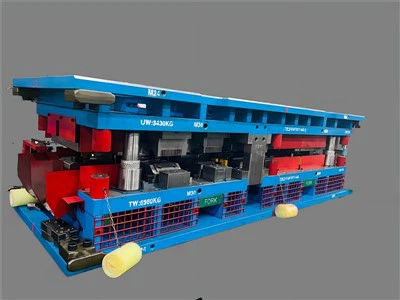
If you're still unsure about how to measure a particular part, don't hesitate to reach out for help. You can visit Automotive Stamping Dies for more information on the manufacturing process of auto parts, which can give you a better understanding of how they fit together.
The website Custom Stamping Dies also offers insights into custom-made parts, which might be relevant if you need a unique replacement.
And Casting Progressive Die can provide useful details about the materials and construction methods used in auto parts, which can affect the measurement and replacement process.
Quality Control
Once you have all your measurements, double-check them. It's easy to make a mistake, especially if you're measuring a complex part. Compare your notes with the pictures you took earlier to make sure everything makes sense.
If possible, measure the part more than once to ensure accuracy. And if you're ordering the replacement part online, make sure to provide the supplier with all the measurements clearly.
Conclusion
Measuring auto seat parts for replacement doesn't have to be a headache. With the right tools, a little patience, and careful attention to detail, you can get accurate measurements and find the perfect replacement parts. Whether you're a DIY enthusiast or a professional mechanic, these tips will help you make sure your car seats are in top condition.
If you're in the market for high-quality auto seat parts, we're here to help. We offer a wide range of parts that are designed to fit perfectly with your vehicle. Whether you need a simple seat cushion cover or a complex seat mechanism, we've got you covered. If you have any questions about measuring or finding the right parts, don't hesitate to get in touch. Start a conversation with us today and let's get your car seats back in shape!
References
- General knowledge and experience in the auto seat parts industry.
- Online resources related to auto parts manufacturing and measurement techniques.