Deformation of CNC turning parts during processing is a common headache for many manufacturers, and I know this all too well as a CNC turning parts supplier. In this blog, I'll share some practical tips on how to prevent this issue, based on my years of experience in the industry.
Understanding the Causes of Deformation
Before we can prevent deformation, we gotta understand what causes it. There are a few key factors that can lead to a CNC turning part being warped or misshapen.
1. Cutting Force
When the cutting tool digs into the workpiece, it creates a force that can push the part out of shape. The magnitude of this cutting force depends on a bunch of things, like the cutting speed, feed rate, and depth of cut. If these parameters aren't set right, the cutting force can be too high, causing the part to deform.
2. Heat Generation
Cutting metal generates a lot of heat. This heat can cause the workpiece to expand unevenly, leading to deformation once it cools down. High cutting speeds and feed rates can increase heat generation, as can using dull cutting tools.
3. Workpiece Material and Structure
Some materials are more prone to deformation than others. For example, soft metals like aluminum can be easily distorted during machining. Also, if the workpiece has a complex structure or thin walls, it's more likely to deform under cutting forces.
Preventive Measures
Now that we know what causes deformation, let's look at some ways to stop it from happening.
1. Optimize Cutting Parameters
Finding the right balance of cutting speed, feed rate, and depth of cut is crucial. You don't want to go too fast or too deep, as this can increase the cutting force and heat generation. But you also don't want to go too slow, as that can lead to a poor surface finish and longer machining times.
For example, if you're machining a tough material like stainless steel, you might want to reduce the cutting speed and increase the feed rate slightly. This can help to keep the cutting force under control while still maintaining an acceptable machining time.
2. Use the Right Cutting Tools
Using sharp, high - quality cutting tools is essential. Dull tools not only increase the cutting force but also generate more heat. Make sure to regularly check and replace your cutting tools to keep them in top condition.
There are also different types of cutting tools designed for specific materials and machining operations. For instance, if you're working on a thin - walled part, you might want to use a tool with a smaller nose radius to reduce the cutting force and prevent deformation.
3. Control Heat Generation
To manage heat, you can use coolant or lubricant during machining. Coolants help to dissipate the heat generated by the cutting process, keeping the workpiece at a more stable temperature. They also reduce friction between the cutting tool and the workpiece, which can further lower heat generation.
You can also take breaks during long machining operations to allow the workpiece to cool down. This can help to prevent excessive expansion and subsequent deformation.
4. Improve Workpiece Support
Proper workpiece support is vital to minimize deformation. If the workpiece isn't held firmly in place, it can move or vibrate during machining, leading to a distorted part.
Use fixtures and clamps that provide stable support. For complex - shaped workpieces, you might need custom - designed fixtures to ensure secure clamping. You can also consider using additional support structures, such as steady rests for long, thin workpieces.
5. Consider the Workpiece Material
As mentioned earlier, some materials are more likely to deform than others. If possible, choose a material that is less prone to deformation for your CNC turning parts.
If you're stuck with a material that's difficult to machine, you can perform pre - treatment processes like annealing. Annealing can relieve internal stresses in the material, making it less likely to deform during machining.


Related Products and Their Role in Prevention
In addition to the above methods, some related products can also play a role in preventing deformation.
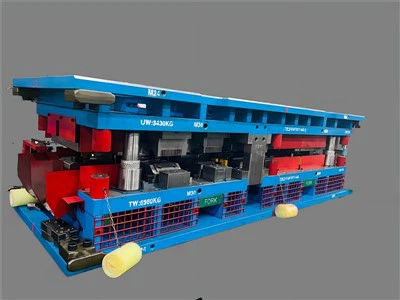
Sheet Metal Progressive Tool can be used in the initial stages of part production. It allows for precise and efficient stamping of sheet metal, which can help in ensuring that the raw material is in a proper condition before CNC turning. By producing accurate blanks, it reduces the chances of additional stresses and deformation during the turning process.
Progressive Metal Stamping is another useful process. It can create complex shapes with high precision, which can be beneficial for parts that require specific geometries. When the part has the right shape from the start, the CNC turning process can be more straightforward and less likely to cause deformation.
Custom Stamping Dies are essential for creating unique parts. Having a custom die ensures that the stamped part fits the requirements of the subsequent CNC turning operation. This can prevent issues such as misalignment or uneven material distribution that could lead to deformation.
Quality Control and Inspection
Even with all the preventive measures in place, it's important to have a solid quality control system. Regularly inspect your CNC turning parts during and after machining. You can use measuring tools like calipers, micrometers, and coordinate measuring machines (CMMs) to check the dimensions and shape of the parts.
If you detect any signs of deformation early on, you can take corrective actions. This might involve adjusting the cutting parameters, improving the workpiece support, or replacing a worn - out cutting tool.
Wrapping Up and a Call to Action
Preventing deformation of CNC turning parts during processing requires a combination of proper machining techniques, high - quality tools, and effective quality control. It's not always easy, but with the right approach, you can significantly reduce the occurrence of deformed parts.
If you're in the market for high - quality CNC turning parts or need advice on preventing deformation, I'd love to have a chat. Don't hesitate to reach out to me for a quote or to discuss your specific requirements. Let's work together to get you the best - quality parts for your project.
References
- "CNC Machining Handbook"
- Industry articles on CNC turning and metalworking techniques.