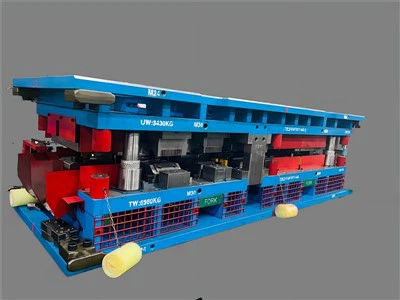
Maintaining automotive tooling is crucial for any automotive tooling supplier like me. It not only ensures the quality of the products we make but also extends the lifespan of our tools, saving us a ton of money in the long run. In this blog, I'll share some tips on how to maintain automotive tooling effectively.
Regular Cleaning
One of the simplest yet most important steps in tooling maintenance is regular cleaning. Over time, dirt, debris, and metal shavings can accumulate on the tools, which can affect their performance and accuracy. I usually clean my tools after each use or at least once a week if they're used less frequently.
I use a soft brush to remove loose debris and then a clean cloth with a mild cleaning solution to wipe down the surfaces. For hard - to - reach areas, I use compressed air to blow out any remaining particles. It's important to make sure the tools are completely dry before storing them to prevent rust.
Lubrication
Lubrication is another key aspect of maintaining automotive tooling. Proper lubrication reduces friction between moving parts, which in turn reduces wear and tear. I make sure to use the right type of lubricant for each tool. For example, for cutting tools, I use a high - quality cutting fluid that also helps in cooling the tool during operation.
I follow the manufacturer's recommendations on how often to lubricate the tools. Some tools may need lubrication before each use, while others can go for a few uses before needing a re - application. And don't forget to clean the lubrication points before applying new lubricant to ensure maximum effectiveness.
Inspection
Regular inspections are a must. I inspect my tools for signs of wear, damage, or any other issues. This includes checking for cracks, chips, and excessive wear on cutting edges. I use inspection tools like calipers and micrometers to measure the dimensions of the tools and make sure they're still within the acceptable tolerance range.
If I notice any problems during the inspection, I address them immediately. Minor issues can often be fixed in - house, but for more serious problems, I may need to send the tool to a professional repair service. By catching problems early, I can prevent further damage and avoid costly breakdowns.
Storage
Proper storage is essential for maintaining automotive tooling. I store my tools in a clean, dry, and temperature - controlled environment. I use tool cabinets and racks to keep the tools organized and protected from damage. Each tool has its own designated place, which makes it easier to find and also reduces the risk of tools getting knocked around and damaged.
I also make sure to cover the tools when they're not in use to prevent dust and debris from settling on them. For tools that are prone to rust, I use rust - preventive coatings or store them in a container with a desiccant.
Training
As an automotive tooling supplier, I make sure that my employees are well - trained in tool maintenance. I provide regular training sessions on how to clean, lubricate, inspect, and store the tools properly. This not only helps in maintaining the tools but also improves the overall efficiency of our operations.
Employees who are trained in tool maintenance are more likely to notice problems early and take the appropriate action. They also understand the importance of following the correct procedures, which can prevent unnecessary damage to the tools.


Advanced Maintenance for Specific Tools
Progressive Die and Stamping
Progressive Die and Stamping tools are widely used in the automotive industry. These tools require special attention. The dies need to be inspected for wear on the cutting edges and forming surfaces. Any signs of wear can lead to poor - quality stamped parts.
I use advanced inspection techniques like optical measurement systems to check the dimensions of the dies accurately. For the stamping presses, I monitor the pressure and speed settings regularly to ensure they're operating within the optimal range. This helps in reducing the stress on the dies and extends their lifespan.
Sheet Metal Progressive Tool Design
Sheet Metal Progressive Tool Design involves complex tools that are used to shape sheet metal into various automotive components. These tools need to be maintained to ensure precise forming.
I pay close attention to the alignment of the different stations in the progressive tool. Misalignment can cause uneven stress on the tool and result in poor - quality parts. I also make sure to keep the cutting and forming punches sharp. Dull punches can cause tearing and deformation of the sheet metal.
Progressive casting die
Progressive casting die is used for casting automotive parts. These dies are exposed to high temperatures and molten metal, which can cause significant wear.
I use high - temperature resistant coatings on the dies to protect them from the heat and chemical reactions. I also monitor the temperature of the dies during the casting process to prevent overheating. After each casting cycle, I clean the dies thoroughly to remove any residual metal and slag.
Cost - Benefit Analysis of Maintenance
Some people might think that tool maintenance is an added cost, but in reality, it's a cost - saving measure. By maintaining our automotive tooling properly, we can avoid costly breakdowns and replacements. The cost of regular maintenance is much lower than the cost of buying new tools or dealing with production downtime due to tool failure.
For example, if a cutting tool breaks during a production run, it can stop the entire operation, resulting in lost time and revenue. By inspecting and maintaining the tool regularly, we can prevent such breakdowns and keep our production running smoothly.
Conclusion
Maintaining automotive tooling is a multi - faceted process that requires attention to detail and a commitment to following the right procedures. From regular cleaning and lubrication to advanced inspection and specialized maintenance for different types of tools, every step plays a crucial role in ensuring the longevity and performance of our tools.
If you're in the market for automotive tooling or need advice on tool maintenance, I'd love to have a chat with you. Contact me for more information and let's start a productive discussion about your automotive tooling needs.
References
- General knowledge from years of experience in the automotive tooling industry.
- Manufacturer's manuals for various automotive tools.