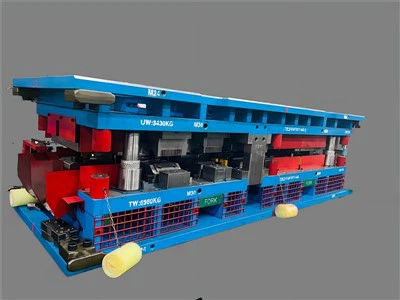
Hey there, fellow industry enthusiasts! As a supplier of Single Casting Dies, I've seen firsthand how crucial it is to maintain these tools properly. A well - maintained single casting die not only extends its lifespan but also ensures high - quality production. In this blog, I'll share some practical tips on how to maintain a single casting die.
Regular Cleaning
The first step in die maintenance is regular cleaning. Over time, dirt, debris, and metal shavings can accumulate on the die surface. This build - up can cause scratches and other damages to the die, which may affect the quality of the castings.
To clean the die, start by removing any loose debris with a soft brush. Then, use a suitable cleaning solvent to wipe down the die surface. Make sure to choose a solvent that won't damage the die material. For example, if your die is made of steel, avoid using solvents that can cause corrosion.
After cleaning, dry the die thoroughly to prevent rusting. You can use a clean, dry cloth or compressed air to remove any remaining moisture.
Inspection for Wear and Tear
Regular inspection is key to catching potential problems early. Check the die for signs of wear, such as cracks, chips, or excessive erosion. Pay special attention to areas that come into direct contact with the molten metal or the casting material.
For small cracks or chips, you may be able to repair them using welding or other appropriate repair methods. However, if the damage is severe, it may be necessary to replace the die. Remember, a damaged die can lead to defective castings, which can be costly in terms of both time and materials.
Lubrication
Proper lubrication is essential for the smooth operation of a single casting die. Lubricants reduce friction between the die and the casting material, which helps to prevent sticking and wear.


Choose a lubricant that is specifically designed for casting dies. Apply the lubricant evenly to the die surface before each use. Make sure to follow the manufacturer's instructions regarding the type and amount of lubricant to use.
Temperature Control
Controlling the temperature of the die is crucial for its longevity. Extreme temperatures can cause thermal stress, which can lead to cracking and other damages.
During the casting process, monitor the die temperature closely. Use cooling systems if necessary to keep the temperature within the recommended range. After the casting is complete, allow the die to cool down gradually to prevent thermal shock.
Storage
When the die is not in use, proper storage is important. Store the die in a clean, dry environment to prevent rust and corrosion. You can use a protective coating or wrap the die in a plastic sheet to further protect it.
Make sure to store the die in a way that prevents it from being damaged. Avoid stacking heavy objects on top of the die, and keep it away from sharp or abrasive materials.
Training and Operator Awareness
Your operators play a vital role in die maintenance. Provide them with proper training on how to handle and maintain the single casting die. Make sure they understand the importance of following the maintenance procedures.
Encourage operators to report any issues or abnormalities they notice during the casting process. By being proactive, you can address potential problems before they become major issues.
Collaboration with Experts
Don't hesitate to collaborate with die - making experts or consultants. They can provide valuable insights and advice on die maintenance. They may also be able to offer solutions to specific problems you're facing with your single casting die.
Use of Quality Materials
Using high - quality materials for your single casting die can make a big difference in its maintenance requirements. Quality materials are more resistant to wear, corrosion, and thermal stress.
When sourcing materials for your die, work with reputable suppliers. They can provide you with materials that meet the necessary standards and specifications.
Keep Records
Maintaining detailed records of the die's maintenance history is a smart move. Record when the die was cleaned, inspected, lubricated, and any repairs or replacements that were made.
These records can help you track the performance of the die over time. They can also be useful when it comes to warranty claims or when making decisions about whether to replace the die.
Related Products and Services
If you're interested in other types of dies, we also offer Automotive Progressive Die, Custom Stamping Dies, and Sheet Metal Stamping Dies. These products are designed to meet the diverse needs of the automotive and manufacturing industries.
In conclusion, maintaining a single casting die requires a combination of regular cleaning, inspection, lubrication, temperature control, and proper storage. By following these tips, you can extend the lifespan of your die and ensure high - quality castings.
If you're in the market for a single casting die or have any questions about die maintenance, feel free to reach out to us for a consultation. We're here to help you make the best decisions for your business.
References
- "Casting Die Design and Manufacturing Handbook"
- Industry standards and guidelines for die maintenance