Determining the correct thickness of auto bracket parts is a crucial aspect in the automotive manufacturing industry. As a supplier of Auto Bracket Parts, I understand the significance of getting this right. In this blog, I will share some key factors and methods to help determine the appropriate thickness for these parts.
Understanding the Function of Auto Bracket Parts
Auto bracket parts serve various functions in a vehicle. They are used to support, secure, and position different components such as engines, transmissions, exhaust systems, and electrical wiring. The thickness of these brackets directly affects their strength, durability, and ability to perform these functions effectively. For example, a bracket supporting a heavy engine needs to be thick enough to withstand the weight and vibrations without deforming or breaking.
Factors Affecting the Thickness of Auto Bracket Parts
Load Requirements
One of the primary factors to consider is the load that the bracket will bear. This includes both static and dynamic loads. Static loads are the constant forces acting on the bracket, such as the weight of the component it supports. Dynamic loads, on the other hand, are the forces that change over time, like vibrations, shocks, and acceleration forces. To determine the load requirements accurately, engineers often use computer-aided engineering (CAE) simulations. These simulations can analyze the stress and strain distribution on the bracket under different load conditions. Based on the results, the appropriate thickness can be selected to ensure that the bracket can handle the expected loads without failure.
Material Properties
The type of material used for the auto bracket parts also plays a significant role in determining the thickness. Different materials have different mechanical properties, such as strength, stiffness, and ductility. For instance, steel is a commonly used material for auto brackets due to its high strength and relatively low cost. However, different grades of steel have different strength levels. A high-strength steel may require a thinner thickness compared to a low-strength steel to achieve the same level of performance. Aluminum is another material used in some applications, especially where weight reduction is a priority. Aluminum brackets are generally lighter than steel brackets but may need to be thicker to compensate for its lower strength compared to steel.
Environmental Conditions
The environmental conditions in which the auto bracket parts will operate can also influence the thickness. For example, if the brackets are exposed to high temperatures, they may need to be thicker to prevent thermal deformation. In corrosive environments, such as near the ocean or in areas with heavy salt usage on roads, the brackets may require a thicker coating or a thicker base material to resist corrosion. Additionally, brackets in areas prone to high humidity or moisture may need to be designed with a thicker cross-section to prevent rusting and deterioration over time.
Manufacturing Process
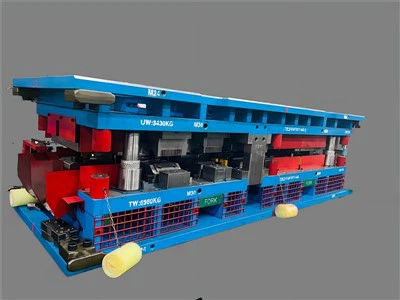
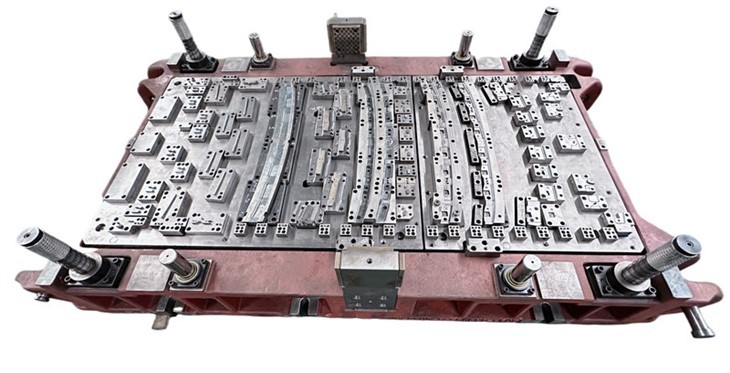
The manufacturing process used to produce the auto bracket parts can also have an impact on the thickness. For example, if the brackets are produced using a Automotive Progressive Die, the thickness needs to be within the capabilities of the die. The die has certain limitations in terms of the maximum and minimum thickness it can handle. Similarly, when using a Sheet Metal Progressive Tool or a Progressive casting die, the thickness should be compatible with the tooling and the casting process. If the thickness is too thin, it may cause issues such as tearing or cracking during the manufacturing process. If it is too thick, it may require excessive force or longer cycle times, increasing the production cost.
Methods for Determining the Correct Thickness
Engineering Calculations
Engineering calculations are a fundamental method for determining the thickness of auto bracket parts. These calculations are based on the principles of mechanics, such as stress and strain analysis. Engineers use equations and formulas to calculate the required thickness based on the load requirements, material properties, and other factors. For example, the formula for calculating the stress in a beam under a bending load can be used to determine the minimum thickness needed to prevent the bracket from failing under a given load. However, these calculations often make simplifying assumptions and may not account for all the real-world factors. Therefore, they are usually used in conjunction with other methods.
Prototyping and Testing
Prototyping and testing are essential steps in the process of determining the correct thickness. Once the initial thickness is estimated through engineering calculations, prototypes of the auto bracket parts are produced. These prototypes are then tested under various conditions to evaluate their performance. Physical testing can include static load testing, dynamic load testing, and environmental testing. For example, a static load test can be used to measure the maximum load the bracket can withstand before deformation or failure. Dynamic load testing can simulate the vibrations and shocks that the bracket may experience in real-world use. Environmental testing can expose the bracket to different temperatures, humidity levels, and corrosive agents to assess its durability. Based on the test results, the thickness can be adjusted if necessary.
Industry Standards and Guidelines
There are also industry standards and guidelines that can provide a reference for determining the thickness of auto bracket parts. These standards are developed by organizations such as the Society of Automotive Engineers (SAE) and the International Organization for Standardization (ISO). They specify the minimum requirements for the design, material, and manufacturing of automotive components, including brackets. By following these standards, manufacturers can ensure that their products meet the safety and performance requirements set by the industry. However, it is important to note that these standards are general guidelines and may need to be adjusted based on the specific requirements of each application.
Importance of Getting the Thickness Right
Getting the thickness of auto bracket parts right is crucial for several reasons. Firstly, it ensures the safety and reliability of the vehicle. If the brackets are too thin, they may fail under normal operating conditions, leading to component damage or even accidents. On the other hand, if the brackets are too thick, it can increase the weight of the vehicle, which in turn can reduce fuel efficiency and increase emissions. Secondly, it affects the cost of production. Using the appropriate thickness can optimize the use of materials and reduce manufacturing costs. Thicker brackets may require more material and longer production times, while thinner brackets that are too weak may lead to higher rejection rates and additional rework.
Conclusion
Determining the correct thickness of auto bracket parts is a complex process that requires considering multiple factors, including load requirements, material properties, environmental conditions, and manufacturing processes. By using a combination of engineering calculations, prototyping and testing, and following industry standards, manufacturers can ensure that the brackets have the appropriate thickness to meet the performance, safety, and cost requirements. As a supplier of Auto Bracket Parts, I am committed to providing high-quality products that are designed with the correct thickness for each application. If you are in the market for auto bracket parts and need assistance in determining the right thickness for your specific requirements, please feel free to contact us for a professional consultation and to discuss your procurement needs.

References
- SAE International. (Year). Automotive engineering standards related to bracket design.
- ISO. (Year). International standards for automotive component manufacturing.
- Various engineering textbooks on mechanics and materials science.