As a supplier of deep draw parts, I've encountered numerous challenges and opportunities in the field. One of the most critical aspects that often comes up in discussions with clients is how to control the magnetic property of deep draw parts. In this blog, I'll share some insights and practical approaches based on my years of experience in the industry.
Understanding the Basics of Magnetic Properties in Deep Draw Parts
Before delving into the control methods, it's essential to understand what magnetic properties are and how they manifest in deep draw parts. Magnetic properties are inherent characteristics of materials that determine their response to a magnetic field. In the context of deep draw parts, these properties can significantly impact their performance in various applications, such as automotive, electronics, and aerospace.
The magnetic behavior of a material is primarily influenced by its atomic structure and the arrangement of its electrons. Ferromagnetic materials, such as iron, nickel, and cobalt, exhibit strong magnetic properties due to the alignment of their atomic magnetic moments. On the other hand, paramagnetic materials have a weaker magnetic response, while diamagnetic materials are repelled by magnetic fields.
When manufacturing deep draw parts, the choice of material plays a crucial role in determining their magnetic properties. For instance, if a part needs to be non - magnetic, materials like aluminum, copper, or certain stainless steels (e.g., austenitic stainless steels) are often preferred. However, in some applications where magnetic properties are required, ferromagnetic materials are used.
Factors Affecting the Magnetic Properties of Deep Draw Parts
Several factors can affect the magnetic properties of deep draw parts during the manufacturing process:
1. Material Selection
As mentioned earlier, the type of material used is the most fundamental factor. Different alloys within the same material group can also have varying magnetic properties. For example, some low - carbon steels may have different magnetic characteristics compared to high - carbon steels. When selecting a material, it's important to consider not only its magnetic properties but also other factors such as strength, ductility, and corrosion resistance.
2. Cold Working
The deep drawing process involves significant cold working of the material. Cold working can alter the crystal structure of the material, which in turn affects its magnetic properties. For ferromagnetic materials, cold working can increase the magnetic anisotropy, meaning that the magnetic properties become direction - dependent. This can be both an advantage and a disadvantage, depending on the application.
3. Heat Treatment
Heat treatment is another crucial factor. Annealing, for example, can relieve the internal stresses induced by cold working and restore the original magnetic properties of the material. On the other hand, quenching and tempering can change the microstructure of the material and modify its magnetic behavior. For instance, quenching a ferromagnetic material can sometimes reduce its magnetic permeability.
4. Surface Finish
The surface finish of deep draw parts can also have an impact on their magnetic properties. A rough surface can cause magnetic domain wall pinning, which affects the movement of magnetic domains and thus the overall magnetic behavior. A smooth surface finish can help to minimize these effects.
Controlling the Magnetic Properties of Deep Draw Parts
1. Material - Level Control
- Precise Material Selection: Conduct thorough material testing before production. Work closely with material suppliers to obtain materials with consistent magnetic properties. For non - magnetic applications, ensure that the material specifications clearly state the required non - magnetic characteristics. For example, when using stainless steel, verify that it is of the austenitic grade, which is typically non - magnetic.
- Alloying: In some cases, alloying elements can be added to modify the magnetic properties of a base material. For instance, adding small amounts of certain elements like manganese or silicon to a ferromagnetic material can change its magnetic saturation and coercivity.
2. Process - Level Control
- Optimizing the Deep Drawing Process: Control the drawing speed, pressure, and lubrication during the deep drawing process. A slow and controlled drawing speed can reduce the amount of cold working and minimize the changes in magnetic properties. Proper lubrication can also help to reduce friction and prevent excessive deformation, which can affect the magnetic behavior of the material.
- Heat Treatment Optimization: Develop a precise heat treatment schedule based on the material and the desired magnetic properties. For example, if a part needs to have high magnetic permeability, a carefully controlled annealing process can be used to restore the original microstructure and enhance the magnetic properties. The temperature, time, and cooling rate during heat treatment should be accurately monitored and adjusted.
3. Quality Control and Testing
- Magnetic Testing: Implement regular magnetic testing during the production process. There are various magnetic testing methods available, such as magnetic flux density measurement, coercivity measurement, and magnetic permeability measurement. These tests can help to ensure that the magnetic properties of the deep draw parts meet the required specifications.
- Statistical Process Control (SPC): Use SPC techniques to monitor the manufacturing process and detect any variations in magnetic properties early. By analyzing data from magnetic tests, it's possible to identify trends and take corrective actions before a large number of non - conforming parts are produced.
Applications and the Importance of Controlling Magnetic Properties
The control of magnetic properties in deep draw parts is crucial in many applications:
1. Automotive Industry
In the automotive industry, deep draw parts are used in various components such as sensors, actuators, and magnetic shielding. For example, in a magnetic sensor, precise control of the magnetic properties of the deep draw part is essential for accurate measurement. Incorrect magnetic properties can lead to sensor malfunction and affect the overall performance of the vehicle.

2. Electronics Industry
In electronics, non - magnetic deep draw parts are often required to prevent interference with magnetic fields generated by other components. For instance, in a hard drive, non - magnetic enclosures are used to protect the sensitive magnetic recording media from external magnetic fields.
3. Aerospace Industry
In aerospace applications, deep draw parts need to have consistent magnetic properties to ensure the proper functioning of navigation systems and other critical equipment. Any variation in magnetic properties can lead to errors in these systems, which can have serious consequences.
Resources for Tooling and Die
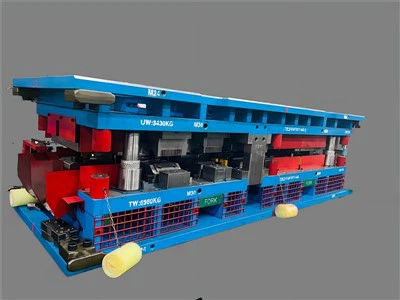
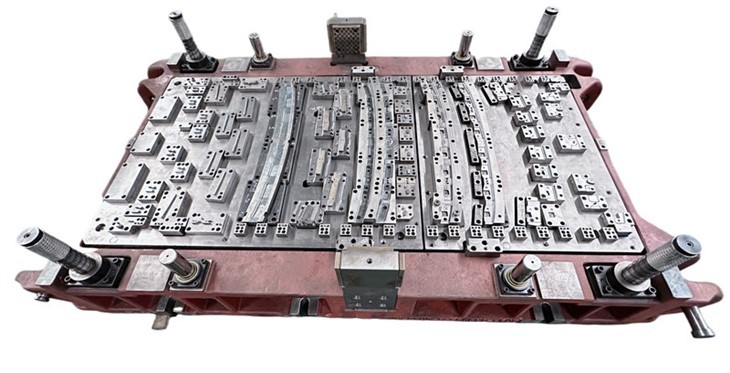
When manufacturing deep draw parts, having the right tooling is essential. You can explore our Metal Stamping Tooling for high - quality tooling solutions. Our Progressive casting die and Sheet Metal Progressive Tool are designed to meet the diverse needs of deep draw part production.
Conclusion
Controlling the magnetic properties of deep draw parts is a complex but essential task in the manufacturing process. By understanding the factors that affect magnetic properties, implementing appropriate control methods, and conducting rigorous quality control, we can produce deep draw parts that meet the specific magnetic requirements of various applications.
If you're in need of high - quality deep draw parts with precisely controlled magnetic properties, we're here to help. Our team of experts has extensive experience in the field and can work with you to develop customized solutions. Contact us for procurement discussions and let's explore how we can meet your deep draw part needs.
References
- Smith, J. (2015). "Magnetic Materials and Their Applications". Wiley - Interscience.
- Jones, A. (2018). "Manufacturing Processes for Deep Draw Parts". Taylor & Francis.
- Brown, C. (2020). "Quality Control in Metal Forming Processes". Springer.