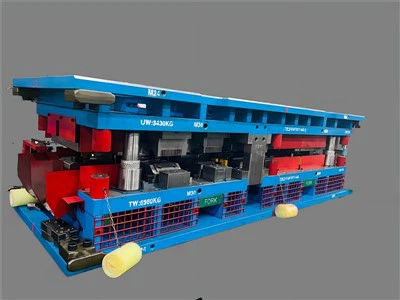
Hey there! As a supplier of Tandem Die, I've witnessed firsthand how this amazing technology has evolved over the years. In this blog, I'm gonna take you on a journey through the history and development of tandem die technology, sharing some cool insights and real - world examples along the way.
The Early Days of Tandem Die Technology
Back in the day, stamping processes were relatively basic. Simple dies were used to create single - part components in a slow and somewhat labor - intensive way. The concept of tandem die technology was born out of a need to increase production efficiency. In the early stages, tandem dies were a big step forward. They allowed multiple operations to be carried out in a single press stroke, but they were quite limited in terms of complexity.
The early tandem dies were mainly used for straightforward metal stamping tasks. Manufacturers were just starting to understand the potential of combining different operations like punching, blanking, and bending in a single setup. These early versions were bulky and not as precise as the ones we have today. However, they were a game - changer for industries that needed to produce large volumes of simple parts, such as the automotive and home appliance sectors.
Advancements in Design and Precision
As time went on, there were significant improvements in the design of tandem dies. Engineers started using more advanced CAD (Computer - Aided Design) software to create highly detailed and accurate die designs. This allowed for much more complex part geometries to be produced. The precision of the dies also increased dramatically. With better machining techniques and the use of high - quality materials, the tolerance levels of the parts produced by tandem dies became extremely tight.
One of the key factors in this advancement was the development of better tool steels. These steels could withstand higher pressures and temperatures, which was crucial for the high - speed stamping operations that tandem dies are known for. The improved materials also meant that the dies had a longer lifespan, reducing the overall cost of production.
Integration with Automation
Automation has been a huge driving force in the evolution of tandem die technology. In the past, loading and unloading parts from the dies was a manual process, which was not only time - consuming but also prone to errors. With the introduction of robotic automation, the entire stamping process became much more streamlined.
Robots can now precisely place the blanks into the dies, remove the finished parts, and even perform quality inspections. This has led to a significant increase in production speed and a reduction in waste. For example, in the production of Progressive Die Metal Stamping, automation has allowed for continuous and efficient production, with minimal human intervention.
Application in Diverse Industries
Tandem die technology has found its way into a wide range of industries. In the automotive industry, it's used to produce components like engine parts, body panels, and brackets. The ability to produce complex shapes with high precision makes tandem dies ideal for this sector.
In the home appliance industry, tandem dies are used to create parts for various appliances. For instance, Microwave Oven Die production benefits greatly from tandem die technology. The dies can produce parts with the exact dimensions and tolerances required for the efficient operation of the appliances.
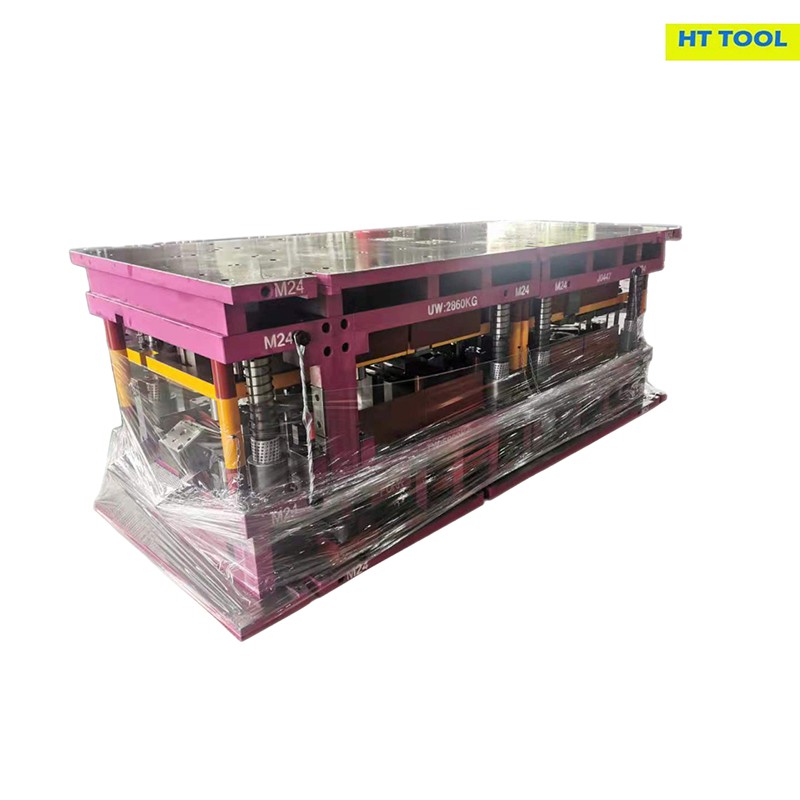

Modern Tandem Die Technology: Smart and Sustainable
Today's tandem die technology is all about being smart and sustainable. With the Internet of Things (IoT), dies can now be equipped with sensors that monitor various parameters such as temperature, pressure, and wear. This data can be used to optimize the stamping process in real - time, ensuring consistent quality and reducing the risk of breakdowns.
Sustainability is also a major focus. Newer tandem dies are designed to use less energy and generate less waste. For example, some dies are designed to recycle the scrap metal produced during the stamping process, which not only reduces waste but also saves on raw material costs.
The Future of Tandem Die Technology
Looking ahead, the future of tandem die technology seems very promising. We can expect even more integration with artificial intelligence (AI). AI algorithms could be used to predict die wear, optimize the stamping process, and even design new dies based on specific requirements.
There will also be further advancements in materials. New super - alloys and composite materials could be developed, which would make the dies even more durable and efficient. And as industries continue to demand more complex and high - quality parts, tandem die technology will continue to evolve to meet these needs.
Why Choose Our Tandem Die
As a supplier of Tandem Die, we've been at the forefront of these technological advancements. We offer a wide range of tandem dies that are designed to meet the specific needs of our customers. Our dies are made using the latest design and manufacturing techniques, ensuring high precision and long - lasting performance.
Whether you're in the automotive, home appliance, or any other industry that requires metal stamping, our tandem dies can help you increase your production efficiency, reduce costs, and improve the quality of your products. If you're interested in learning more about our tandem die solutions or want to discuss a specific project, don't hesitate to reach out to us. We're always ready to have a chat and see how we can help you take your production to the next level.
References
- "Metal Stamping Handbook", John Wiley & Sons
- "Advances in Die Design and Manufacturing", Springer Publications
- Industry reports from the American Mold Builders Association