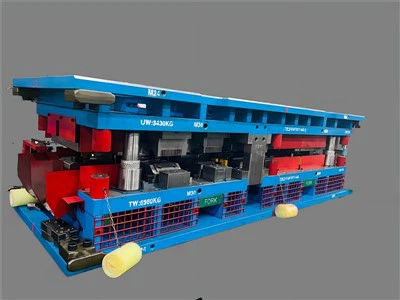
Brass, an alloy of copper and zinc, is widely recognized for its excellent machinability, corrosion resistance, and aesthetic appeal. These properties make brass a popular choice for a wide range of applications, from plumbing fixtures and electrical components to decorative items and automotive parts. As a brass parts supplier, I often get asked about the cost of brass parts. In this blog post, I'll delve into the factors that influence the cost of brass parts and provide some insights into what you can expect to pay.
Factors Affecting the Cost of Brass Parts
1. Material Costs
The price of brass can fluctuate significantly based on the global market conditions for copper and zinc. These base metals are subject to supply and demand dynamics, geopolitical events, and economic factors. For instance, if there's a disruption in copper mining due to labor strikes or natural disasters, the price of copper will likely increase, driving up the cost of brass. Additionally, the grade and quality of the brass alloy used can also impact the cost. Higher-grade alloys with specific properties, such as enhanced corrosion resistance or better conductivity, may be more expensive.
2. Manufacturing Processes
The method used to manufacture brass parts plays a crucial role in determining their cost. Common manufacturing processes for brass parts include machining, casting, forging, and extrusion.
- Machining: Machining involves removing material from a brass workpiece using tools such as lathes, mills, and drills. This process is highly precise and can produce complex shapes, but it is also labor-intensive and time-consuming, which can increase the cost. The complexity of the part design, the number of operations required, and the tolerance levels all affect the machining cost.
- Casting: Casting is a process where molten brass is poured into a mold to create the desired shape. This method is suitable for producing large quantities of parts with relatively simple geometries. The cost of casting depends on the size and complexity of the mold, the amount of material used, and the casting process employed (e.g., sand casting, investment casting).
- Forging: Forging involves shaping brass by applying compressive forces using a hammer or a press. This process improves the mechanical properties of the brass, such as strength and toughness. However, forging requires specialized equipment and skilled labor, which can make it more expensive than other processes, especially for small production runs.
- Extrusion: Extrusion is a process where brass is forced through a die to create a continuous shape with a constant cross-section. This method is efficient for producing long, straight parts such as rods, tubes, and profiles. The cost of extrusion depends on the size and complexity of the die, the extrusion speed, and the material properties.
3. Part Complexity
The complexity of the brass part design has a direct impact on its cost. Parts with intricate geometries, tight tolerances, and fine details require more advanced manufacturing techniques and higher levels of precision, which can increase the production time and cost. For example, a brass part with a complex internal cavity or a highly detailed surface finish will be more expensive to produce than a simple, straight-sided part.
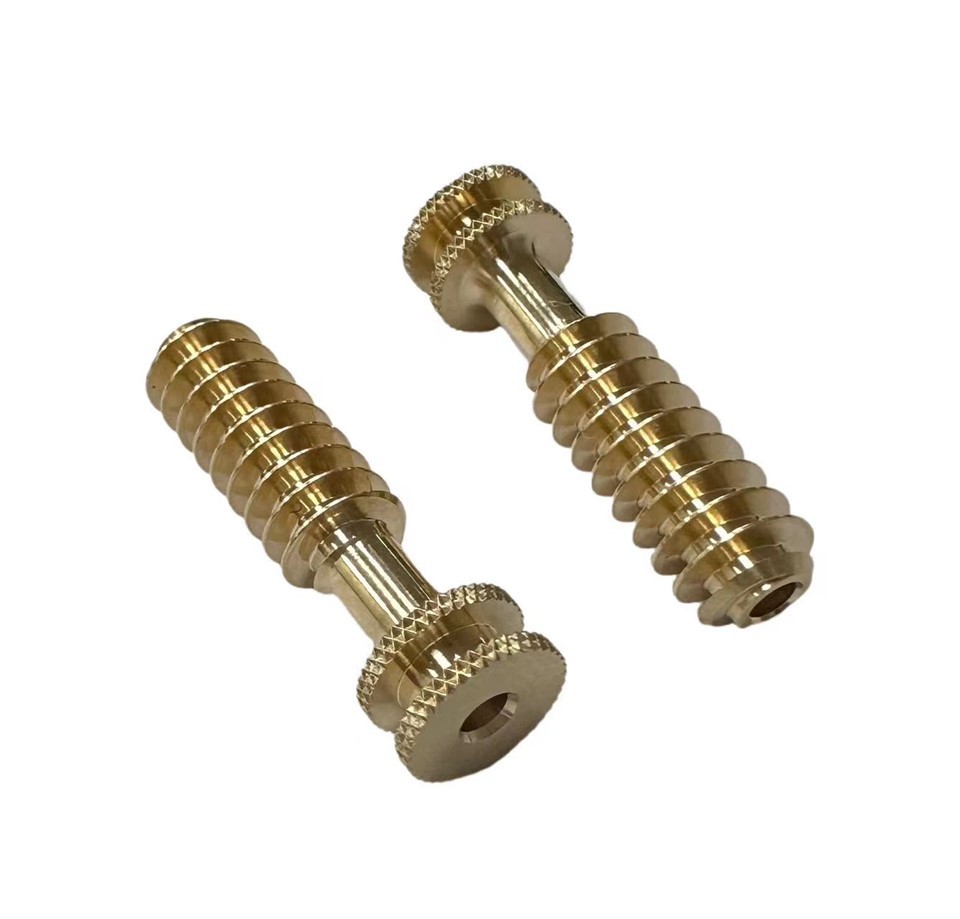

4. Quantity
The quantity of brass parts ordered is another important factor in determining the cost. Generally, the more parts you order, the lower the unit cost. This is because many of the fixed costs associated with manufacturing, such as tooling and setup costs, can be spread over a larger number of parts. For small production runs, the unit cost may be relatively high due to the proportionally higher fixed costs.
5. Surface Finish
The surface finish of the brass part can also affect its cost. A smooth, polished surface finish requires additional processing steps, such as grinding, buffing, or plating, which can increase the production time and cost. The type of surface finish required depends on the application of the part. For example, parts used in decorative applications may require a high-quality, mirror-like finish, while parts used in industrial applications may only need a basic, functional finish.
Typical Cost Range of Brass Parts
It's difficult to provide a specific cost range for brass parts as the price can vary widely depending on the factors mentioned above. However, I can give you a general idea of the cost based on common types of brass parts.
- Simple Brass Fasteners: Simple brass fasteners, such as Self-clinching Flush Fasteners and Self-clinching Nuts, can range from a few cents to a few dollars per piece, depending on the size, quantity, and material grade. These parts are often mass-produced using automated manufacturing processes, which helps to keep the cost down.
- Machined Brass Components: Machined brass components, such as bushings, connectors, and valves, can cost anywhere from a few dollars to several hundred dollars per piece, depending on the complexity of the design, the material grade, and the quantity ordered. These parts typically require more precision machining and may involve multiple operations, which can increase the cost.
- Cast Brass Parts: Cast brass parts, such as sculptures, ornaments, and plumbing fixtures, can vary widely in cost depending on the size, complexity, and finish of the part. Small, simple cast brass parts may cost a few dollars, while large, intricate castings with high-quality finishes can cost hundreds or even thousands of dollars.
How to Get the Best Price for Brass Parts
If you're looking to purchase brass parts, here are some tips to help you get the best price:
- Compare Quotes: Get quotes from multiple brass parts suppliers to compare prices and services. Make sure to provide detailed specifications and drawings of the parts you need to ensure accurate quotes.
- Optimize the Design: Work with your supplier to optimize the part design for manufacturability. Simplifying the design, reducing the number of operations, and using standard sizes and materials can help to lower the cost.
- Order in Bulk: If possible, order a larger quantity of parts to take advantage of volume discounts. However, make sure to consider your inventory management and storage costs.
- Negotiate Terms: Don't be afraid to negotiate the price and terms with your supplier. You may be able to get a better deal by offering to pay upfront, extending the payment terms, or committing to a long-term supply agreement.
Conclusion
The cost of brass parts can vary significantly depending on a variety of factors, including material costs, manufacturing processes, part complexity, quantity, and surface finish. As a brass parts supplier, I understand the importance of providing high-quality parts at competitive prices. If you're in the market for Brass Parts, I encourage you to reach out to me to discuss your requirements and get a customized quote. I'm committed to working with you to find the best solution for your needs and budget.
References
- ASM Handbook, Volume 2: Properties and Selection: Nonferrous Alloys and Special-Purpose Materials. ASM International.
- Metals Handbook Desk Edition, Third Edition. ASM International.
- Manufacturing Engineering & Technology, Fourth Edition. S. Kalpakjian and S. R. Schmid. Pearson Education.