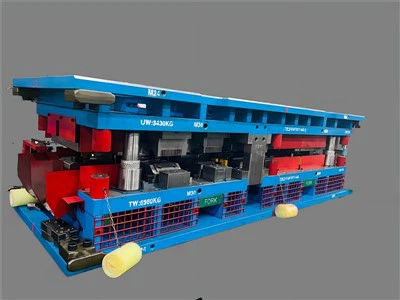
As a supplier of Prototype Die, ensuring the reliability of our products is our top priority. In this blog, I'll share some of the key strategies and practices we use to make sure our prototype dies are up to the mark.
1. High - Quality Materials Selection
The foundation of a reliable prototype die lies in the materials we choose. We don't cut corners when it comes to sourcing raw materials. For instance, we use high - grade tool steels that are known for their excellent hardness, wear resistance, and toughness. These steels can withstand the high pressures and stresses that occur during the stamping process.
When we're selecting materials, we also take into account the specific requirements of the project. If a die is going to be used for a high - volume production run, we'll opt for a material that can handle the repeated impacts without deforming easily. On the other hand, for low - volume or short - term projects, we might choose a more cost - effective option that still meets the basic performance criteria. You can learn more about our Prototype Die offerings here.
2. Precise Design and Engineering
A well - designed prototype die is crucial for its reliability. Our team of experienced engineers uses the latest CAD/CAM software to create detailed 3D models of the dies. This allows us to visualize the die from every angle and make any necessary adjustments before the manufacturing process begins.
We pay close attention to factors like the die's geometry, the clearance between the punch and the die, and the layout of the cutting edges. For example, if the clearance is too small, it can cause excessive wear on the die components, while too large a clearance can lead to poor part quality. By getting these details right, we can ensure that the die performs consistently and produces high - quality parts.
In addition, we conduct finite element analysis (FEA) on our die designs. FEA helps us simulate the stresses and strains that the die will experience during operation. This way, we can identify any potential weak points in the design and strengthen them before the die is built. Our expertise in design also extends to Metal Stamping Tool And Die and Furniture Hardware Stamping Die products.
3. Rigorous Manufacturing Processes
Once the design is finalized, we move on to the manufacturing phase. We have a state - of - the - art manufacturing facility equipped with advanced machining tools. Our technicians are highly skilled and follow strict quality control procedures at every step of the process.
For example, we use precision grinding machines to achieve the required surface finish on the die components. A smooth surface finish not only reduces friction but also improves the die's resistance to wear and corrosion. We also perform heat treatment on the die parts to enhance their hardness and strength.
During the assembly process, we carefully align all the components to ensure proper functioning of the die. We use specialized measuring tools to check the alignment and make any necessary adjustments. This attention to detail during manufacturing helps us produce prototype dies that are reliable and long - lasting.
4. Thorough Testing and Validation
Before we deliver a prototype die to our customers, we subject it to a series of tests. First, we conduct a visual inspection to check for any obvious defects like cracks or scratches. Then, we perform functional tests on the die using a test press.
We run a number of trial runs with different materials and thicknesses to evaluate the die's performance. We measure parameters like the part quality, the accuracy of the dimensions, and the die's cycle time. If any issues are detected during the testing phase, we go back and make the necessary modifications to the die.

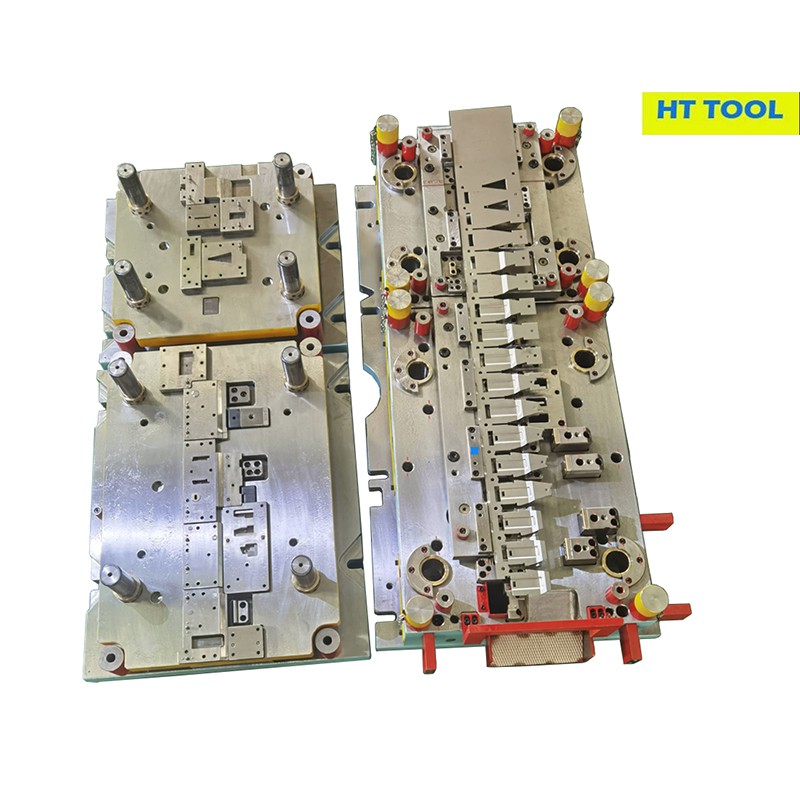
We also collect data from the tests and analyze it to identify any trends or areas for improvement. This data - driven approach allows us to continuously optimize our die designs and manufacturing processes.
5. Continuous Maintenance and Support
Our commitment to reliability doesn't end with the delivery of the prototype die. We offer comprehensive maintenance and support services to our customers. We provide detailed operation manuals and training to help our customers use the dies correctly.
We also offer regular maintenance schedules to keep the dies in top condition. This includes cleaning, lubrication, and inspection of the die components. If any parts need to be replaced, we have a ready supply of high - quality replacement parts.
In case of any technical issues, our customer support team is available to assist. We understand that downtime can be costly for our customers, so we strive to resolve any problems as quickly as possible.
Why Choose Us?
When you choose us as your Prototype Die supplier, you're getting more than just a product. You're getting a partner who is dedicated to ensuring the reliability of your die. Our combination of high - quality materials, precise design, rigorous manufacturing, thorough testing, and continuous support sets us apart from the competition.
If you're in the market for a reliable prototype die, we'd love to have a chat with you. Whether you're working on a small - scale project or a large - scale production run, we have the expertise and resources to meet your needs. Contact us today to start the procurement process and let's work together to bring your project to life.
References
- "Tool and Die Making Handbook" by John A. Schey
- "Metal Stamping Handbook" by George E. Dieter