In the dynamic landscape of the automotive industry, fuel efficiency has emerged as a paramount concern for both manufacturers and consumers. As an established supplier of auto upper body parts, I've witnessed firsthand how these components can significantly influence a vehicle's fuel consumption. In this blog, I'll delve into the intricate relationship between auto upper body parts and fuel efficiency, exploring the scientific principles at play and the practical implications for the automotive sector.
Aerodynamics: The Key to Reducing Drag
One of the most significant ways auto upper body parts impact fuel efficiency is through their influence on aerodynamics. Aerodynamics refers to the study of how air flows around an object, and in the context of vehicles, it plays a crucial role in determining the amount of drag a car experiences as it moves through the air. Drag is the force that opposes the motion of the vehicle, and reducing it can lead to substantial improvements in fuel efficiency.
Auto upper body parts, such as the hood, roof, and fenders, are designed to streamline the vehicle's shape and minimize air resistance. By creating a smooth and continuous surface, these parts help the air flow more efficiently around the car, reducing the amount of energy required to overcome drag. For example, a well-designed hood can direct air over the windshield and roof, preventing it from creating turbulent eddies that increase drag. Similarly, a sleek roofline can reduce the pressure differential between the top and bottom of the vehicle, further minimizing drag.
In addition to their shape, the materials used in auto upper body parts can also affect aerodynamics. Lightweight materials, such as aluminum and carbon fiber, are often used in modern vehicles to reduce weight and improve fuel efficiency. These materials are not only lighter than traditional steel, but they can also be molded into more complex shapes, allowing for greater design flexibility and improved aerodynamics. For instance, carbon fiber hoods and roofs can be designed with a more aerodynamic profile, reducing drag and improving fuel efficiency.
Weight Reduction: Less Mass, Less Fuel
Another important factor in fuel efficiency is the weight of the vehicle. The heavier the car, the more energy it takes to accelerate, decelerate, and maintain a constant speed. Therefore, reducing the weight of the vehicle can lead to significant improvements in fuel efficiency.
Auto upper body parts play a crucial role in weight reduction efforts. By using lightweight materials and innovative design techniques, manufacturers can reduce the weight of these parts without sacrificing strength or durability. For example, aluminum hoods and fenders are lighter than their steel counterparts, yet they offer comparable levels of protection and performance. Similarly, carbon fiber roofs can be up to 50% lighter than traditional steel roofs, resulting in a significant reduction in overall vehicle weight.
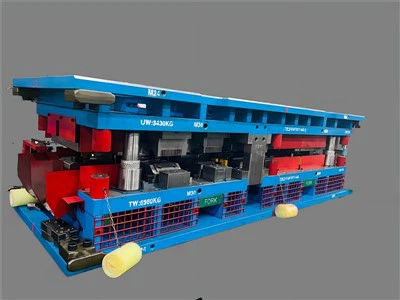
In addition to using lightweight materials, manufacturers can also optimize the design of auto upper body parts to reduce weight. For example, by using thinner gauge materials and removing unnecessary features, they can reduce the weight of these parts without compromising their structural integrity. Additionally, advanced manufacturing techniques, such as Automotive Progressive Die and Automotive Metal Stamping Die, allow for the production of complex shapes and geometries with minimal waste, further reducing weight and improving fuel efficiency.
Thermal Management: Keeping the Engine Cool
Auto upper body parts also play a role in thermal management, which is essential for maintaining optimal engine performance and fuel efficiency. The engine generates a significant amount of heat during operation, and if this heat is not properly managed, it can lead to reduced performance, increased emissions, and even engine damage.


The hood and other upper body parts can help to manage engine heat by providing ventilation and insulation. A well-designed hood can include air vents or scoops that allow hot air to escape from the engine compartment, preventing it from building up and causing overheating. Additionally, some hoods are lined with insulation materials, such as fiberglass or foam, to reduce heat transfer from the engine to the rest of the vehicle. This not only helps to keep the engine cool, but it can also improve the comfort of the passengers by reducing the amount of heat that enters the cabin.
In addition to providing ventilation and insulation, auto upper body parts can also be designed to improve the efficiency of the vehicle's cooling system. For example, some hoods are designed to direct air towards the radiator, increasing the amount of airflow and improving the cooling efficiency of the engine. Similarly, fenders can be designed with air ducts that direct air towards the brakes, helping to cool them and improve their performance.
The Role of Advanced Technologies
In recent years, advancements in technology have led to the development of new and innovative auto upper body parts that can further improve fuel efficiency. These technologies include active aerodynamics, which use sensors and actuators to adjust the shape of the vehicle's body in real-time to optimize aerodynamics, and intelligent materials, which can change their properties in response to external stimuli, such as temperature or pressure.
Active aerodynamics systems can significantly improve fuel efficiency by adjusting the shape of the vehicle's body to reduce drag at different speeds and driving conditions. For example, some vehicles are equipped with active grille shutters that can open and close automatically to regulate airflow through the radiator. At low speeds, the shutters are closed to reduce drag, while at high speeds, they are opened to allow more air to flow through the radiator and cool the engine. Similarly, some vehicles are equipped with active spoilers that can adjust their angle to optimize downforce and reduce drag.
Intelligent materials, such as shape memory alloys and electroactive polymers, are also being explored for use in auto upper body parts. These materials can change their shape or properties in response to external stimuli, such as temperature or electrical current. For example, shape memory alloys can be used to create self-adjusting spoilers that can change their shape to optimize aerodynamics at different speeds. Similarly, electroactive polymers can be used to create flexible body panels that can change their shape to reduce drag or improve the vehicle's appearance.
Conclusion: The Future of Auto Upper Body Parts and Fuel Efficiency
As the automotive industry continues to evolve, the role of auto upper body parts in fuel efficiency will only become more important. With the increasing demand for more fuel-efficient vehicles, manufacturers will need to continue to innovate and develop new technologies to reduce drag, weight, and heat transfer.
At our company, we are committed to providing our customers with the highest quality auto upper body parts that are designed to improve fuel efficiency and performance. We use the latest materials and manufacturing techniques, such as Sheet Metal Progressive Tool, to produce parts that are lightweight, strong, and aerodynamic. Our team of engineers and designers works closely with our customers to understand their specific needs and develop customized solutions that meet their requirements.
If you're interested in learning more about how our auto upper body parts can improve fuel efficiency and performance, please don't hesitate to contact us. We'd be happy to discuss your needs and provide you with a quote. Let's work together to create a more sustainable future for the automotive industry.
References
- Society of Automotive Engineers (SAE) International. (2023). Aerodynamics in Automotive Design.
- Automotive News. (2023). Lightweighting Strategies for Improved Fuel Efficiency.
- Journal of Automotive Engineering. (2023). Thermal Management in Modern Vehicles.