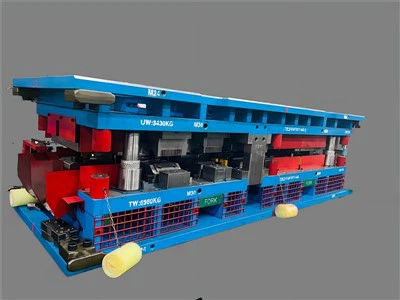
Can a prototype die be used for thin - walled parts?
As a seasoned supplier of prototype dies, I've often been posed with the question: Can a prototype die be used for thin - walled parts? This query delves into the heart of precision manufacturing and the capabilities of prototype dies in meeting the unique demands of thin - walled components. In this blog, I'll explore this topic in detail, shedding light on the viability, advantages, challenges, and applications of using prototype dies for thin - walled parts.
Understanding Prototype Dies
Before we dive into the specifics of thin - walled parts, let's first understand what prototype dies are. Prototype dies are specialized tools used in the manufacturing process to create a small number of parts for testing, evaluation, and design validation. They serve as a cost - effective alternative to full - scale production dies, allowing manufacturers to refine their designs and identify potential issues before committing to large - scale production.
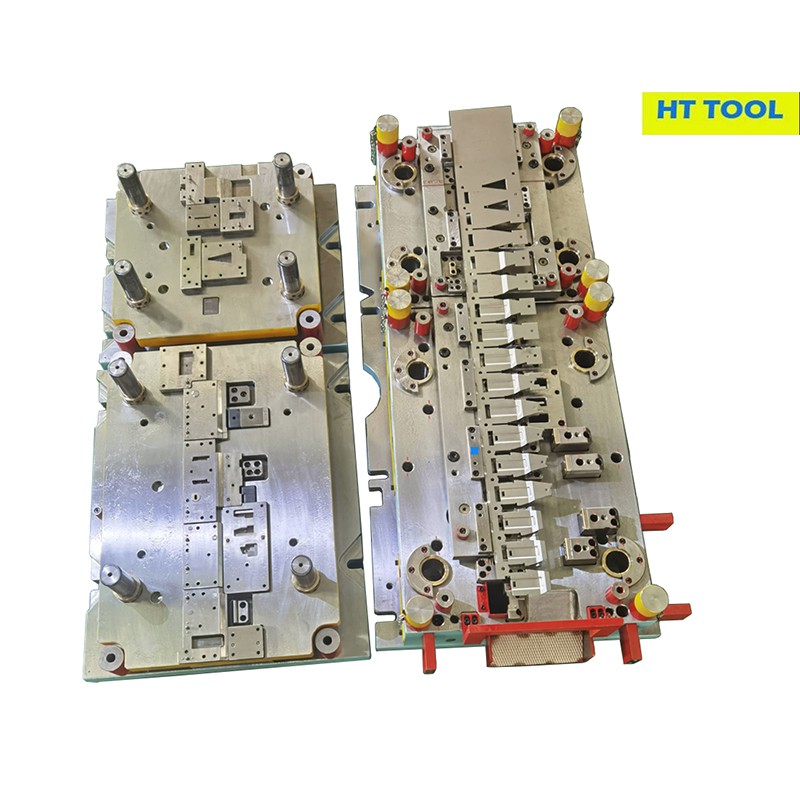
Prototype dies come in various types, including Punch Riveting Die, Furniture Hardware Stamping Die, and Compound Tool And Progressive Tool. Each type is designed to perform specific functions, such as cutting, bending, or forming metal sheets into the desired shape.
The Nature of Thin - Walled Parts
Thin - walled parts are characterized by their relatively small wall thickness compared to their overall dimensions. These parts are commonly used in industries such as automotive, aerospace, electronics, and consumer goods, where weight reduction, space savings, and improved aesthetics are crucial. Examples of thin - walled parts include enclosures, housings, brackets, and heat sinks.
However, manufacturing thin - walled parts presents unique challenges. Due to their thin walls, these parts are more prone to deformation, cracking, and other defects during the forming process. Additionally, achieving the required dimensional accuracy and surface finish can be more difficult compared to thicker parts.

Viability of Using Prototype Dies for Thin - Walled Parts
The answer to whether a prototype die can be used for thin - walled parts is a resounding yes. Prototype dies offer several advantages that make them well - suited for manufacturing thin - walled components:
- Cost - effectiveness: One of the primary benefits of using prototype dies is cost savings. Since they are designed for low - volume production, prototype dies require less investment in tooling and setup compared to full - scale production dies. This makes them an attractive option for companies looking to produce a small number of thin - walled parts for testing and validation purposes.
- Design flexibility: Prototype dies allow for rapid design changes and iterations. If a design flaw or improvement opportunity is identified during the testing phase, the prototype die can be easily modified to accommodate the changes. This flexibility is particularly valuable when working with thin - walled parts, as their design often requires fine - tuning to ensure optimal performance.
- Quick turnaround time: Prototype dies can be manufactured and delivered in a relatively short period compared to full - scale production dies. This enables companies to accelerate the product development cycle and bring their thin - walled parts to market faster.
- Precision and quality: With advancements in manufacturing technology, prototype dies can now achieve high levels of precision and quality. This is essential for thin - walled parts, which require tight tolerances and smooth surface finishes to function properly.
Challenges and Solutions
While prototype dies offer many advantages for manufacturing thin - walled parts, there are also some challenges that need to be addressed:
- Deformation and cracking: Thin - walled parts are more susceptible to deformation and cracking during the forming process. To mitigate these issues, the prototype die design must take into account the material properties and the specific requirements of the part. This may involve using specialized tooling, such as flexible dies or cushioning materials, to reduce stress and prevent damage.
- Dimensional accuracy: Achieving the required dimensional accuracy for thin - walled parts can be challenging, especially when dealing with complex shapes. Advanced machining techniques, such as CNC machining and wire EDM, can be used to ensure precise die manufacturing. Additionally, in - process inspection and measurement can help identify and correct any dimensional deviations during production.
- Surface finish: The surface finish of thin - walled parts is critical for both functional and aesthetic reasons. Prototype dies can be polished and coated to achieve a smooth surface finish. However, care must be taken to ensure that the coating does not affect the dimensional accuracy of the part.
Applications of Prototype Dies for Thin - Walled Parts
Prototype dies for thin - walled parts have a wide range of applications across various industries:
- Automotive industry: In the automotive industry, thin - walled parts are used in engine components, body panels, and interior trim. Prototype dies can be used to produce these parts for concept cars, pre - production testing, and limited - edition models.
- Aerospace industry: The aerospace industry requires lightweight and high - strength thin - walled parts for aircraft structures, engine components, and avionics. Prototype dies enable aerospace manufacturers to develop and test new designs before committing to large - scale production.
- Electronics industry: Thin - walled parts are commonly used in electronic devices, such as smartphones, tablets, and laptops. Prototype dies can be used to produce enclosures, heat sinks, and other components for new product development.
- Consumer goods industry: In the consumer goods industry, thin - walled parts are used in products such as appliances, furniture, and toys. Prototype dies allow manufacturers to quickly produce samples and test market demand before investing in full - scale production.
Conclusion
In conclusion, prototype dies can indeed be used for thin - walled parts. They offer a cost - effective, flexible, and efficient solution for manufacturing these challenging components. While there are some challenges associated with using prototype dies for thin - walled parts, these can be overcome with careful design, advanced manufacturing techniques, and quality control measures.
If you are in need of prototype dies for your thin - walled parts, I invite you to contact us for a consultation. Our team of experts has extensive experience in designing and manufacturing prototype dies for a wide range of applications. We can work closely with you to understand your specific requirements and provide you with the best solution for your project.
References
- Smith, J. (2018). Precision Metal Stamping: A Comprehensive Guide. New York: Industrial Press.
- Jones, A. (2019). Advanced Manufacturing Technologies for Thin - Walled Components. London: Elsevier.
- Brown, C. (2020). Design and Manufacturing of Prototype Dies. Chicago: ASME Press.