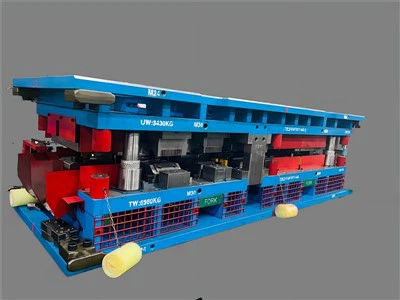
Hey there! I'm here to chat about what you should do when a home appliance dies. As a supplier in the Home Appliance Die business, I've seen it all, and I'm gonna share some tips and insights with you.
First off, let's talk about why home appliances die in the first place. There are a bunch of reasons. Sometimes it's just old age. Appliances have a lifespan, and after years of use, parts start to wear out. For example, a refrigerator compressor might give up the ghost after 10 - 15 years of constant operation. Other times, it could be due to improper use. Maybe you overloaded your washing machine, or you didn't clean the lint filter in your dryer regularly. That can put a lot of stress on the appliance and lead to premature failure.
So, what should you do when you notice your home appliance acting up or completely dying?
Assess the Situation
The first step is to figure out what's wrong. Is it a minor issue that you can fix yourself, or is it a major problem that requires professional help? For minor problems, like a loose wire or a clogged drain, you can often find tutorials online to guide you through the repair process. But if you're not comfortable working with electrical or mechanical components, it's better to call in a pro.
Let's say your dishwasher isn't draining properly. You can start by checking the drain hose for any blockages. Sometimes, food particles or debris can get stuck in there and prevent the water from flowing out. If that's the case, you can try to clear the blockage using a pipe cleaner or a small brush. But if the problem persists, it could be a more serious issue with the pump or the drain valve, and you'll need to get a technician to take a look.
Consider Repair or Replacement
Once you've identified the problem, you need to decide whether to repair or replace the appliance. This depends on a few factors, such as the age of the appliance, the cost of repair, and the availability of replacement parts.
If your appliance is relatively new and the repair cost is reasonable, it usually makes sense to fix it. For example, if your microwave oven has a broken door switch, replacing the switch is usually a quick and inexpensive fix. On the other hand, if your appliance is old and the repair cost is close to or more than the cost of a new one, it might be time to say goodbye and invest in a replacement.
Let's take a look at some common home appliances and when it might be better to repair or replace them:
- Refrigerator: If your refrigerator is less than 10 years old and the repair cost is less than half the cost of a new one, it's probably worth repairing. But if it's older and has multiple issues, like a failing compressor and a leaky seal, it might be more cost - effective to buy a new one.
- Washing Machine: For a washing machine that's less than 8 years old, minor repairs like replacing a belt or a pump can be a good option. However, if the drum is damaged or the motor is failing, it might be time for a new machine.
- Oven: An oven that's less than 12 years old can often be repaired if the problem is with the heating element or the control panel. But if the oven is constantly breaking down or has a major structural issue, replacement might be the way to go.
The Role of Home Appliance Dies
As a Home Appliance Die supplier, I know how important these dies are in the manufacturing process. Home appliance dies are used to create the various parts and components of appliances, such as the cabinets, doors, and panels. There are different types of dies, each with its own unique advantages.


One type is the Tandem Die. Tandem dies are great for high - volume production. They allow multiple operations to be performed simultaneously, which can significantly increase the production speed and efficiency. This means that manufacturers can produce more appliances in less time, which can ultimately lead to cost savings and more affordable prices for consumers.
Another type is the Progressive Die Tooling. Progressive die tooling is ideal for complex parts. It uses a series of stations to perform different operations on the material as it moves through the die. This allows for the creation of highly precise and detailed parts, which are essential for the proper functioning of home appliances.
For specific appliances like gas stoves, there are Gas Stove Dies. These dies are designed to create the unique components of gas stoves, such as the burners, grates, and control panels. They ensure that the parts are made to the exact specifications required for safety and performance.
Recycling and Disposal
When it's time to get rid of your old home appliance, it's important to do it in an environmentally friendly way. Many appliances contain hazardous materials, such as mercury, lead, and refrigerants, which can be harmful to the environment if not disposed of properly.
Most local municipalities offer recycling programs for home appliances. You can check with your local waste management department to find out where and how to recycle your old appliances. Some retailers also offer recycling services when you purchase a new appliance. They'll take your old one away and make sure it's recycled correctly.
Contact Us for Your Home Appliance Die Needs
If you're in the home appliance manufacturing business or you're involved in the repair and replacement industry, and you're looking for high - quality home appliance dies, we're here to help. Whether you need a Tandem Die, Progressive Die Tooling, or a Gas Stove Die, we've got you covered. Our team of experts can work with you to understand your specific requirements and provide you with the best solutions. So, don't hesitate to reach out and start a conversation about your home appliance die needs.
References
- Home Appliance Repair and Maintenance Guides from Consumer Reports
- Environmental Protection Agency (EPA) Guidelines on Appliance Recycling