As a supplier in the field of washing machine dies, I've encountered numerous inquiries regarding various issues that can lead to a washing machine malfunctioning or, in extreme cases, "dying." One question that often surfaces is whether a problem with the lid switch can indeed cause a washing machine to stop working entirely. In this blog post, I'll delve into the science behind the lid switch, its role in the operation of a washing machine, and explore how issues with it can potentially lead to a non - functioning appliance.
The Lid Switch: A Crucial Component
The lid switch in a washing machine is a small but significant part of its overall design. It serves as a safety mechanism, ensuring that the machine's drum does not spin when the lid is open. This is a critical safety feature, as a spinning drum with an open lid can pose serious risks to users, such as entanglement or injury from the moving parts.
When the lid is closed, the switch is engaged, allowing the electrical circuit to complete and enabling the washing machine to function normally. The switch is typically a simple mechanical device that uses a lever or a button to make or break the electrical connection. Once the lid is lifted, the switch is disengaged, and the power to the motor and other components that drive the drum's rotation is cut off immediately.
How a Faulty Lid Switch Can Affect the Washing Machine
- No Power to the Motor
If the lid switch fails to engage properly when the lid is closed, the electrical circuit remains incomplete. As a result, the washing machine's motor will not receive power, and the drum will not spin. This can make it seem as if the entire washing machine has died, even though the problem might be isolated to the lid switch. For example, if the switch's contacts are worn out or corroded, they may not make a good connection, preventing the flow of electricity. - Interrupted Cycles
A malfunctioning lid switch can also cause the washing machine to stop mid - cycle. Suppose the switch randomly disengages during a wash or spin cycle. In that case, the machine will interpret this as the lid being opened and will immediately stop the drum's rotation and may even halt other functions like water filling or draining. This can be frustrating for users and may lead them to believe that the washing machine has suffered a major breakdown. - False Safety Shutdowns
Sometimes, the lid switch can give false signals to the washing machine's control board. It might indicate that the lid is open when it is actually closed. In such cases, the machine will go into a safety shutdown mode, preventing any further operation. This can be due to a misaligned switch, a broken lever, or an issue with the switch's internal components.
Common Causes of Lid Switch Problems
- Wear and Tear
Over time, the mechanical parts of the lid switch can wear out. The lever that is activated when the lid is opened or closed can become loose or damaged. The contacts inside the switch can also erode due to repeated use, leading to poor electrical conductivity. - Physical Damage
Accidental impacts or rough handling of the washing machine can cause physical damage to the lid switch. For instance, if the washing machine is bumped or moved forcefully, the switch might get knocked out of alignment or its housing could crack, affecting its proper functioning. - Moisture and Corrosion
Since washing machines operate in a moist environment, the lid switch can be exposed to water and humidity. This can lead to corrosion of the switch's contacts, which can disrupt the electrical connection. Additionally, moisture can seep into the switch's internal components, causing them to malfunction.
Diagnostic and Solutions
If you suspect that a problem with the lid switch is causing your washing machine to stop working, there are a few steps you can take to diagnose the issue. First, visually inspect the switch for any signs of physical damage, such as cracks or misalignment. You can also use a multimeter to test the switch's electrical continuity. If the switch does not show continuity when the lid is closed, it is likely faulty and needs to be replaced.
Replacing a lid switch is usually a relatively straightforward process. Most washing machines have accessible panels that allow you to reach the switch. However, it is important to follow the manufacturer's instructions and ensure that the power to the washing machine is turned off before attempting any repairs.
The Bigger Picture: Our Role as a Washing Machine Die Supplier
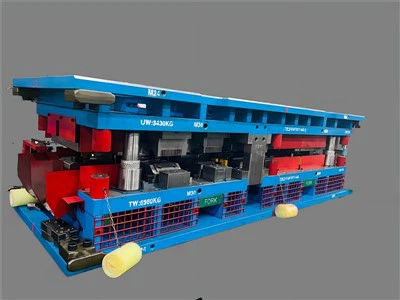
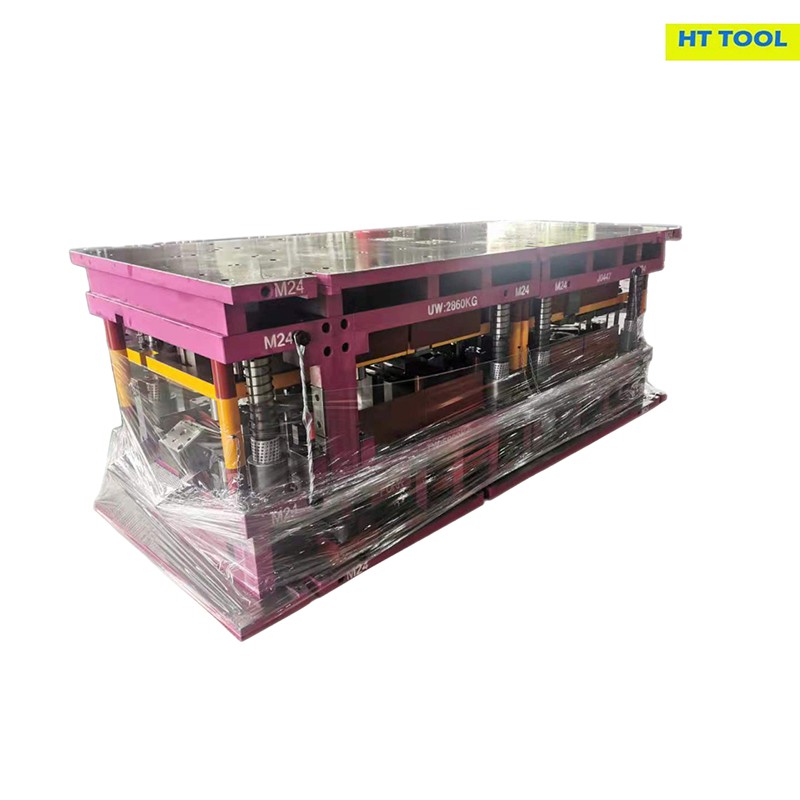
At our company, we understand that the performance of a washing machine depends on the quality of its components, including the lid switch. We are committed to providing high - quality Progressive Die Metal Stamping solutions for washing machine manufacturers. Our dies are designed to produce precise and durable parts, ensuring that the washing machines they are used in operate smoothly and reliably.
In addition to washing machine dies, we also offer Microwave Oven Die and Tandem Die solutions. These products are crafted with the same level of precision and quality, meeting the diverse needs of the home appliance industry.
Contact Us for Your Die - Making Needs
If you are a washing machine manufacturer or are involved in the home appliance industry and are looking for reliable die - making solutions, we invite you to get in touch with us. Our team of experts is ready to assist you with your specific requirements and provide you with high - quality dies that will enhance the performance and durability of your products. Whether you need dies for washing machines, microwave ovens, or other home appliances, we have the expertise and experience to meet your needs.

References
- Appliance Repair Handbook: A Comprehensive Guide to Troubleshooting and Fixing Home Appliances.
- Electrical Components in Home Appliances: Principles and Applications.