Hey there! As a stamping parts supplier, I've had my fair share of experiences in the world of high - precision stamping. Today, I'm gonna share some tips on how to achieve high - precision stamping parts.
Understanding the Basics of High - Precision Stamping
First off, let's talk about what high - precision stamping really means. High - precision stamping refers to the process of creating parts with extremely tight tolerances. These parts are used in a wide range of industries, from electronics to automotive, and even Medical and Fiber Optic Parts. The key here is to make sure that each part meets the exact specifications required by the customer.
Material Selection
The choice of material is crucial when it comes to high - precision stamping. You gotta pick a material that can withstand the stamping process without deforming too much. For example, stainless steel is a popular choice because it has good strength and corrosion resistance. Aluminum is also great as it's lightweight and easy to stamp.
When selecting the material, you need to consider factors like its hardness, ductility, and thickness. A material that's too hard might crack during stamping, while one that's too soft could lead to parts that don't hold their shape. It's all about finding that sweet spot.
Tooling Design and Manufacturing
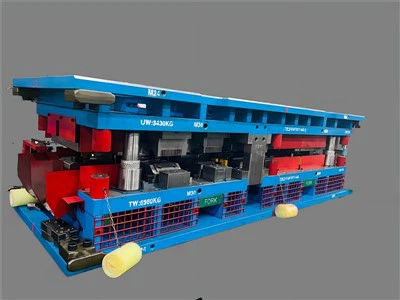
The tooling is the heart of the stamping process. A well - designed tool can make all the difference in achieving high - precision parts. The tooling should be designed to minimize wear and tear, as well as to ensure consistent performance.
When manufacturing the tooling, high - quality materials and advanced machining techniques should be used. For instance, using a CNC (Computer Numerical Control) machine can help create tooling with very high precision. The tooling also needs to be properly maintained. Regular cleaning, lubrication, and inspection can prevent issues like tool breakage and ensure that the parts are stamped accurately every time.
Press Selection and Setup
The press is another important factor. You need to choose a press that has the right tonnage and speed for the stamping job. A press with too little tonnage won't be able to form the parts properly, while one with too much tonnage could damage the tooling and the parts.
Setting up the press correctly is also vital. This includes adjusting the die height, the stroke length, and the feed rate. The die height needs to be set precisely so that the tooling can work effectively. The stroke length should be adjusted according to the thickness of the material and the complexity of the part. And the feed rate should be optimized to ensure a smooth and efficient stamping process.
Quality Control
Quality control is an ongoing process in high - precision stamping. You can't just rely on the initial setup and hope for the best. Regular inspections should be carried out throughout the stamping process.
There are several methods for quality control. Visual inspection is a simple but effective way to check for obvious defects like cracks, burrs, or misalignments. Measuring tools like calipers, micrometers, and coordinate measuring machines (CMMs) can be used to check the dimensions of the parts. Any parts that don't meet the specifications should be rejected immediately.
Process Optimization
To achieve high - precision stamping parts consistently, you need to optimize the stamping process. This involves analyzing the data from the stamping process, such as the forces applied, the temperature, and the cycle time.
By analyzing this data, you can identify areas for improvement. For example, if you notice that the forces applied during stamping are too high, you might need to adjust the tooling or the press settings. You can also use simulation software to predict how the stamping process will behave and make adjustments before starting production.
Employee Training
Your employees play a huge role in achieving high - precision stamping parts. They need to be well - trained in all aspects of the stamping process, from material handling to quality control.


Training should be ongoing, as new technologies and techniques are constantly emerging in the stamping industry. Employees should also be encouraged to share their ideas and experiences. A team that communicates well and works together can often come up with innovative solutions to improve the stamping process.
Working with Customers
As a stamping parts supplier, it's important to work closely with your customers. They can provide valuable insights into their specific requirements. By understanding their needs, you can customize the stamping process to meet their expectations.
Communication is key here. Regular meetings and updates can help ensure that both parties are on the same page. You can also ask for feedback from the customers on the parts you've provided. This feedback can be used to further improve your stamping process and the quality of your parts.
Conclusion
Achieving high - precision stamping parts is a complex but achievable goal. It requires careful consideration of factors like material selection, tooling design, press setup, quality control, process optimization, employee training, and customer collaboration.
If you're in the market for Precision Stamped Parts, I'd love to have a chat with you. Whether you're in the electronics, automotive, or medical industry, I'm confident that I can provide you with high - quality stamping parts that meet your needs. So, don't hesitate to reach out and let's start a conversation about your stamping requirements.
References
- Metal Stamping Handbook, Second Edition by George E. Dieter
- Precision Metal Stamping: A Practical Guide by John T. Black