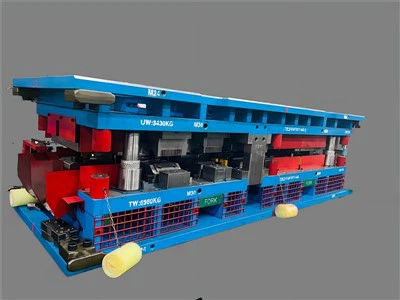
In the world of washer stamping dies, one crucial factor that often goes unnoticed but holds immense significance is the die clearance. As a seasoned washer stamping die supplier, I've witnessed firsthand how the right die clearance can make or break a stamping operation. In this blog, I'll delve into the importance of die clearance in washer stamping dies, exploring its impact on various aspects of the manufacturing process.
Understanding Die Clearance
Before we dive into its significance, let's first understand what die clearance is. Die clearance refers to the gap between the punch and the die in a stamping operation. This gap is carefully calculated and adjusted to ensure optimal performance during the stamping process. The clearance is typically expressed as a percentage of the material thickness and can vary depending on factors such as the type of material being stamped, the stamping method, and the desired quality of the finished product.
Impact on Material Flow
One of the primary functions of die clearance is to facilitate the smooth flow of material during the stamping process. When the clearance is too small, the material may experience excessive friction and resistance, leading to increased stress and potential damage to the die and the workpiece. On the other hand, if the clearance is too large, the material may not be properly supported, resulting in uneven deformation and poor part quality.
By maintaining the appropriate die clearance, we can ensure that the material flows smoothly through the die, reducing the risk of defects such as cracks, wrinkles, and burrs. This not only improves the quality of the finished product but also extends the lifespan of the die, reducing maintenance costs and downtime.
Influence on Punching Force
Another significant aspect of die clearance is its impact on the punching force required to perform the stamping operation. The punching force is directly related to the amount of resistance the material encounters as it is being punched through the die. When the die clearance is too small, the punching force increases significantly, putting additional stress on the punch and the die. This can lead to premature wear and tear, as well as potential damage to the equipment.
Conversely, when the die clearance is too large, the punching force may be insufficient to fully cut through the material, resulting in incomplete punches and poor part quality. By optimizing the die clearance, we can minimize the punching force required, reducing energy consumption and extending the life of the punch and the die.
Effect on Part Quality
The die clearance also plays a crucial role in determining the quality of the finished part. A well-adjusted die clearance ensures that the part is punched with precision and accuracy, resulting in consistent dimensions and a smooth surface finish. This is particularly important in applications where tight tolerances are required, such as in the automotive and aerospace industries.
In addition to dimensional accuracy, the die clearance can also affect the mechanical properties of the part. For example, a proper die clearance can help to minimize the formation of residual stresses in the material, which can improve the part's strength and durability. On the other hand, an improper die clearance can lead to the development of internal stresses, which can cause the part to warp or crack over time.
Importance in Die Life
Maintaining the correct die clearance is essential for maximizing the lifespan of the die. When the die clearance is too small, the die is subjected to excessive wear and tear, which can lead to premature failure. This can result in costly downtime and replacement costs. By contrast, when the die clearance is too large, the die may not be able to cut through the material effectively, leading to increased wear on the punch and the die.
By carefully controlling the die clearance, we can ensure that the die operates under optimal conditions, reducing the risk of premature failure and extending its lifespan. This not only saves money on replacement costs but also improves the overall efficiency of the stamping operation.
Considerations for Different Materials
It's important to note that the optimal die clearance can vary depending on the type of material being stamped. Different materials have different mechanical properties, such as hardness, ductility, and thickness, which can affect the way they behave during the stamping process. For example, softer materials may require a larger die clearance to prevent excessive deformation, while harder materials may require a smaller die clearance to ensure a clean cut.
As a washer stamping die supplier, we have extensive experience working with a wide range of materials, including steel, aluminum, copper, and brass. We understand the unique characteristics of each material and can recommend the appropriate die clearance to achieve the best results. Whether you're stamping thin sheets of aluminum or thick plates of steel, we can provide you with a customized solution that meets your specific requirements.
Advanced Techniques for Die Clearance Optimization
In addition to considering the material properties, there are several advanced techniques that can be used to optimize the die clearance. One such technique is the use of computer-aided design (CAD) and simulation software. These tools allow us to model the stamping process and analyze the effects of different die clearances on the material flow, punching force, and part quality. By using these simulations, we can identify the optimal die clearance before the die is manufactured, reducing the need for costly trial and error.
Another technique is the use of adjustable die sets. These die sets allow for easy adjustment of the die clearance during the stamping process, making it possible to fine-tune the clearance based on the actual performance of the die. This can be particularly useful when working with materials that have inconsistent properties or when producing parts with tight tolerances.

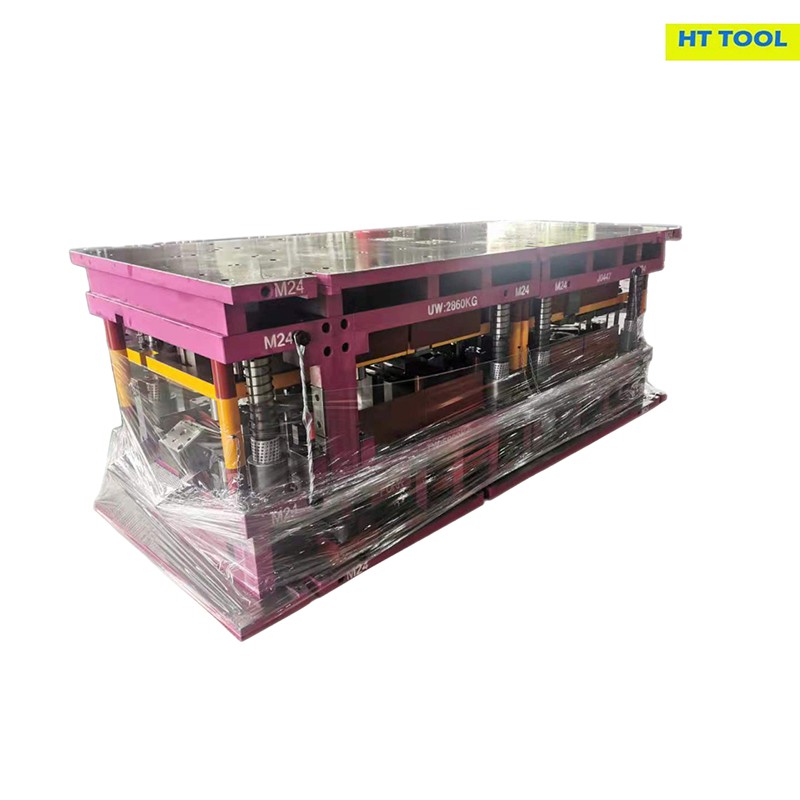
Industry Applications
The significance of die clearance in washer stamping dies extends to a wide range of industries. In the automotive industry, for example, precision stamping is essential for the production of high-quality components such as engine parts, body panels, and suspension components. By maintaining the appropriate die clearance, we can ensure that these components are manufactured with the highest level of accuracy and consistency, meeting the strict quality standards of the automotive industry.
In the electronics industry, washer stamping dies are used to produce a variety of components, including connectors, switches, and circuit boards. The precise control of die clearance is crucial in these applications to ensure the proper functioning of the electronic devices. A small variation in the die clearance can have a significant impact on the performance of the component, leading to potential failures or malfunctions.
The home appliance industry also relies heavily on washer stamping dies for the production of various parts, such as Progressive Die Metal Stamping, Microwave Oven Die, and Gas Stove Die. The quality and reliability of these appliances depend on the precision and accuracy of the stamped parts. By optimizing the die clearance, we can ensure that the parts are manufactured to the highest standards, providing consumers with durable and efficient home appliances.
Conclusion
In conclusion, the die clearance is a critical factor in the performance and quality of washer stamping dies. By understanding its significance and taking the necessary steps to optimize it, we can improve the efficiency of the stamping process, reduce costs, and enhance the quality of the finished product. As a washer stamping die supplier, we are committed to providing our customers with the highest level of expertise and support in die design and manufacturing.
If you're in the market for high-quality washer stamping dies, we invite you to contact us to discuss your specific requirements. Our team of experienced engineers and technicians will work closely with you to develop a customized solution that meets your needs and exceeds your expectations. Let's work together to achieve your manufacturing goals and take your business to the next level.
References
- Dieter, G. E. (1988). Die Design Handbook. McGraw-Hill.
- Kalpakjian, S., & Schmid, S. R. (2008). Manufacturing Engineering and Technology. Pearson Prentice Hall.
- Tharmalingam, S., & Venkatesh, V. C. (2011). Handbook of Metal Forming Processes. CRC Press.