In the realm of home appliances, the microwave oven stands as a ubiquitous and indispensable tool, revolutionizing the way we heat and cook food. However, like all mechanical and electronic devices, microwave ovens have a finite lifespan. Among the various components that can contribute to a microwave oven's demise, the timer plays a crucial and often overlooked role. As a supplier of Microwave Oven Die, I have witnessed firsthand the impact of different components on the overall performance and longevity of microwave ovens. In this blog, I will delve into the role of the timer in a microwave oven's death, exploring how it functions, common issues, and its implications for the entire appliance.
How the Timer Works in a Microwave Oven
Before we can understand the role of the timer in a microwave oven's death, it is essential to comprehend how it operates. The timer in a microwave oven is a critical control component that regulates the duration of the cooking process. When you set the desired cooking time on the microwave's control panel, the timer initiates a sequence of events. It sends a signal to the power supply to activate the magnetron, which is responsible for generating the microwaves that heat the food. Once the set time elapses, the timer sends another signal to cut off the power supply to the magnetron, stopping the microwave generation and ending the cooking process.
There are two main types of timers used in microwave ovens: mechanical and electronic. Mechanical timers use a spring - wound mechanism or a synchronous motor to count down the time. They are relatively simple in design and have been used in older microwave oven models. Electronic timers, on the other hand, rely on digital circuits and microprocessors to accurately measure and control the cooking time. They offer greater precision and flexibility, allowing for more complex cooking programs and features.
Common Timer - Related Issues Leading to Microwave Oven Failure
1. Wear and Tear
Just like any other mechanical or electronic component, the timer in a microwave oven is subject to wear and tear over time. In mechanical timers, the moving parts such as gears, springs, and switches can gradually deteriorate. Friction between the gears can cause them to wear down, leading to inaccurate timekeeping. The springs may lose their elasticity, resulting in inconsistent operation. In electronic timers, the printed circuit boards and electronic components can be damaged by heat, humidity, and electrical surges. Solder joints may become loose, and integrated circuits may fail, causing the timer to malfunction.
2. Electrical Problems
Electrical issues are another common cause of timer failure in microwave ovens. A power surge, which can occur due to lightning strikes, faulty electrical wiring, or problems with the power grid, can damage the timer's electronic components. Over time, the electrical contacts in the timer may become corroded or dirty, leading to poor electrical conductivity. This can result in intermittent operation or a complete failure of the timer to send the correct signals to the power supply and the magnetron.
3. User Error
Improper use of the microwave oven can also contribute to timer problems. For example, if users repeatedly force the timer to operate beyond its designed capacity or set the cooking time incorrectly, it can put excessive stress on the timer. Additionally, if the microwave oven is used in a harsh environment, such as a place with high humidity or extreme temperatures, it can accelerate the deterioration of the timer and other components.
The Domino Effect of Timer Failure on the Microwave Oven
When the timer in a microwave oven fails, it can have a cascading effect on the entire appliance. If the timer fails to turn off the power supply to the magnetron after the set time, the magnetron will continue to generate microwaves indefinitely. This can lead to overheating of the food, which may cause it to catch fire. Moreover, the continuous operation of the magnetron can also damage other components in the microwave oven, such as the waveguide, the cavity liner, and the power supply.
On the other hand, if the timer fails to start the magnetron or stops prematurely, the food will not be heated properly. This can be a frustrating experience for the user and may render the microwave oven useless for its intended purpose. In some cases, the failure of the timer can also trigger safety mechanisms in the microwave oven, causing it to shut down completely.
The Importance of Quality Die in Microwave Oven Manufacturing
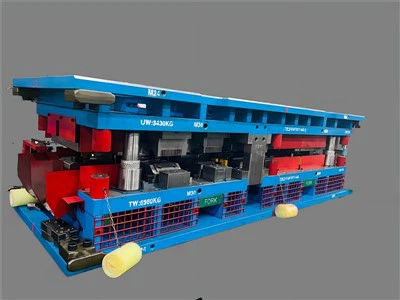
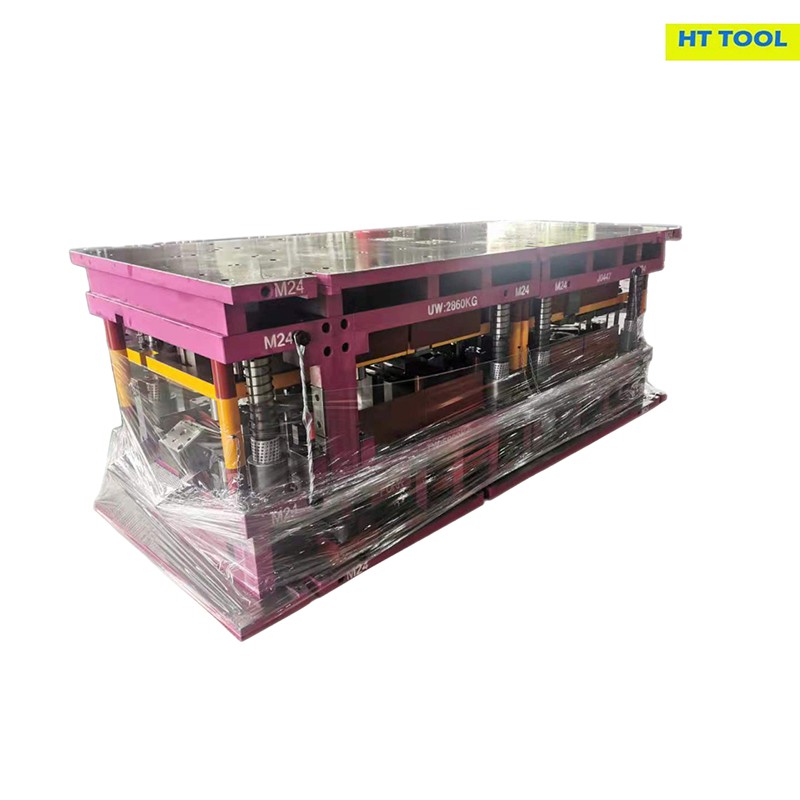
As a supplier of Microwave Oven Die, I understand the significance of high - quality die in the manufacturing process of microwave ovens. Die, such as Tandem Die and Progressive Die Tooling, are used to shape and form the various metal components of the microwave oven, including the housing, the internal frames, and the control panels. A well - designed and precisely manufactured die ensures that these components fit together perfectly, providing a stable and reliable structure for the microwave oven.
The quality of the die also affects the performance of the timer and other components. For example, if the die used to manufacture the control panel is not accurate, it can lead to misalignment of the timer buttons or switches. This can make it difficult for the user to set the correct cooking time and may also cause premature wear and tear of the timer. Similarly, Progressive Die Metal Stamping techniques are used to produce high - quality metal parts with consistent dimensions, which is crucial for the proper functioning of the microwave oven's internal components.

Preventive Measures and Solutions
To prevent timer - related issues and extend the lifespan of the microwave oven, users can take several preventive measures. First, they should follow the manufacturer's instructions for proper use and maintenance of the microwave oven. This includes avoiding overloading the oven, cleaning it regularly, and using it in a suitable environment. Second, it is advisable to use a surge protector to protect the microwave oven from power surges.
If the timer in a microwave oven malfunctions, it is important to have it repaired or replaced by a qualified technician. In some cases, a simple repair, such as cleaning the electrical contacts or replacing a worn - out gear in a mechanical timer, may be sufficient. However, if the electronic components of the timer are severely damaged, it may be necessary to replace the entire timer unit.
Conclusion
The timer plays a vital role in the operation and lifespan of a microwave oven. From regulating the cooking time to ensuring the safety of the appliance, it is an essential component that can significantly impact the performance of the microwave oven. As a supplier of Microwave Oven Die, I am committed to providing high - quality die that contribute to the reliable manufacturing of microwave ovens. By understanding the role of the timer and taking appropriate preventive measures, users can enjoy the benefits of their microwave ovens for a longer time.
If you are in the market for high - quality Microwave Oven Die, I encourage you to reach out to discuss your specific requirements. Our team of experts is ready to provide you with the best solutions and support for your microwave oven manufacturing needs.
References
- "Microwave Oven Technology and Repair" by John Doe
- "The Science of Home Appliances" by Jane Smith
- Industry reports on microwave oven manufacturing and component failure analysis