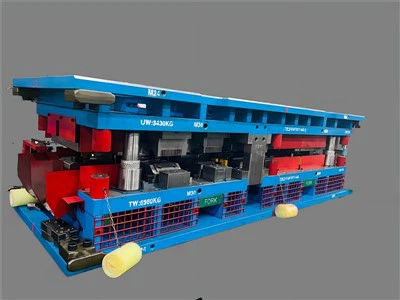
In the realm of stamping die technology, the stripper plate stands as a fundamental yet often under - appreciated component. As a seasoned stamping die supplier, I've witnessed firsthand the crucial role that the stripper plate plays in the stamping process. This blog aims to delve deep into the functions of a stripper plate in a stamping die, providing insights that can be valuable for both industry veterans and those new to the field.
Basic Structure and Types of Stripper Plates
Before we explore the functions, it's essential to understand the basic structure and types of stripper plates. Stripper plates are typically flat metal plates that are an integral part of the stamping die assembly. There are mainly two types: fixed stripper plates and floating stripper plates.
Fixed stripper plates are rigidly attached to the die set. They are relatively simple in design and are commonly used in applications where the stripping force is not extremely high. Floating stripper plates, on the other hand, are mounted on springs or other elastic elements. This allows them to move relative to the die components, providing more flexibility and better control over the stripping process.
Primary Functions of a Stripper Plate
1. Stripping the Workpiece from the Punch
One of the most obvious functions of a stripper plate is to remove the workpiece from the punch after the stamping operation. When the punch descends into the die cavity to perform operations such as blanking, piercing, or forming, the workpiece tends to adhere to the punch due to friction and the nature of the stamping process. If the workpiece is not properly stripped from the punch, it can cause several problems.
For example, in a high - speed stamping operation, a workpiece that remains attached to the punch can interfere with the next stamping cycle. This may lead to misaligned punches, damaged dies, and poor - quality stamped parts. The stripper plate exerts a force on the workpiece in the opposite direction of the punch movement, effectively separating the workpiece from the punch. In floating stripper plate systems, the springs compress during the punch stroke and then expand to push the workpiece off the punch as the punch retracts.
2. Guiding the Punch
The stripper plate also serves as a guide for the punch. During the stamping process, the punch needs to move precisely into the die cavity to ensure accurate and consistent stamping results. The stripper plate has holes or openings that are precisely aligned with the punch. As the punch moves through the stripper plate, it is guided along a straight path, preventing it from deviating or tilting.
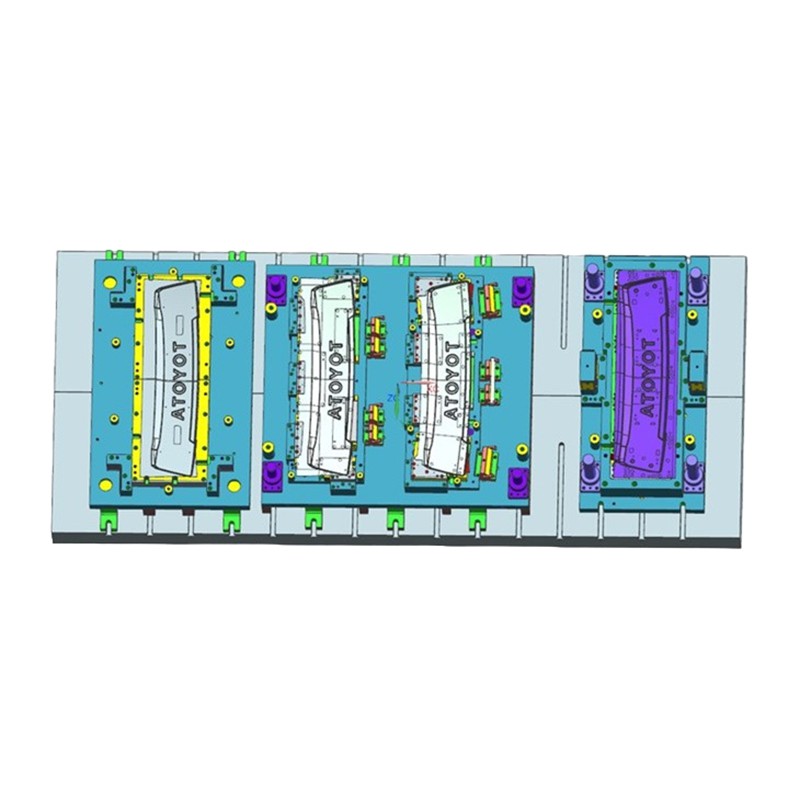
This guiding function is particularly important in complex stamping operations, such as transfer die stamping. In transfer die stamping, multiple stamping operations are performed on a single workpiece as it is transferred from one station to another. The accurate guidance provided by the stripper plate ensures that each stamping operation is carried out with high precision, resulting in high - quality stamped parts.

3. Holding the Workpiece in Place
Another critical function of the stripper plate is to hold the workpiece firmly in place during the stamping process. When the punch descends onto the workpiece, a significant amount of force is applied. Without proper holding, the workpiece can move or shift, leading to inaccurate stamping results.
The stripper plate presses against the workpiece, creating a clamping force that keeps it stable. In some cases, the stripper plate may have special features, such as serrations or knurling on its contact surface, to increase the friction between the plate and the workpiece and enhance the holding effect. This is especially important in operations where the workpiece has a complex shape or is made of a thin and flexible material.
4. Protecting the Die and the Workpiece
The stripper plate acts as a protective barrier between the punch and the die components, as well as between the punch and the workpiece. During the stamping process, there is a risk of debris, such as metal shavings or burrs, being generated. These debris can cause damage to the punch, the die, and the workpiece if they are not properly managed.
The stripper plate can prevent debris from entering the die cavity and getting caught between the punch and the die. It also helps to prevent the punch from directly contacting the die surface when there is no workpiece present, reducing the risk of wear and damage to the die. Additionally, by holding the workpiece firmly, the stripper plate can prevent the workpiece from being scratched or deformed during the stamping process.
Factors Affecting the Performance of Stripper Plates
Several factors can affect the performance of stripper plates. Material selection is crucial. The stripper plate needs to be made of a material that has sufficient strength, hardness, and wear resistance. Common materials for stripper plates include tool steels, such as D2 or A2, which can withstand the high forces and friction involved in the stamping process.
The design of the stripper plate also plays a significant role. The shape, size, and layout of the holes or openings in the stripper plate need to be carefully designed to ensure proper guiding of the punch and effective stripping of the workpiece. The spring force in floating stripper plate systems needs to be carefully calculated and adjusted to provide the right amount of stripping force without causing excessive wear on the components.
The surface finish of the stripper plate is another important factor. A smooth surface finish can reduce friction between the stripper plate and the workpiece, making the stripping process more efficient. However, in some cases, a slightly roughened surface may be preferred to increase the holding force on the workpiece.
Importance of Regular Maintenance
To ensure the optimal performance of the stripper plate, regular maintenance is essential. Over time, the stripper plate can wear out due to the repeated contact with the punch and the workpiece. The springs in floating stripper plate systems can lose their elasticity, and the surface of the stripper plate may become damaged or contaminated.
Regular inspection of the stripper plate should be carried out to check for signs of wear, cracks, or other damage. The springs should be tested for their elasticity and replaced if necessary. The surface of the stripper plate should be cleaned regularly to remove debris and contaminants. By maintaining the stripper plate in good condition, the lifespan of the stamping die can be extended, and the quality of the stamped parts can be ensured.
Conclusion
In conclusion, the stripper plate is a vital component in a stamping die, performing multiple functions that are essential for the success of the stamping process. From stripping the workpiece from the punch and guiding the punch to holding the workpiece in place and protecting the die and the workpiece, the stripper plate plays a crucial role in ensuring high - quality, accurate, and efficient stamping operations.
As a stamping die supplier, we understand the importance of a well - designed and properly maintained stripper plate. If you are in the market for stamping dies or need advice on optimizing your stamping process, we are here to help. Our team of experts can provide you with customized solutions based on your specific requirements. Contact us today to start a discussion about your stamping die needs and explore how we can assist you in achieving the best results in your stamping operations.
References
- "Stamping Die Design Handbook" by XYZ Publishing
- "Advanced Manufacturing Technology in Stamping" by ABC Press
- Industry whitepapers on stamping die technology from leading stamping associations