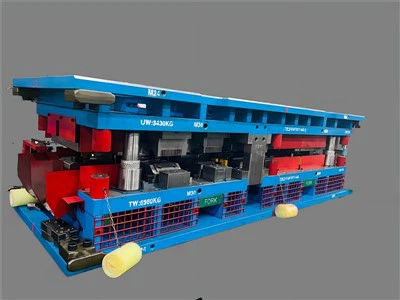
As a seasoned supplier of deep draw parts, I've encountered numerous inquiries regarding the friction coefficient of these components. The friction coefficient is a critical factor in the deep drawing process, influencing everything from the quality of the finished part to the longevity of the tooling. In this blog post, I'll delve into what the friction coefficient of deep draw parts is, why it matters, and how it impacts our manufacturing processes.
Understanding the Friction Coefficient
The friction coefficient, often denoted as μ, is a value that quantifies the ratio of the frictional force between two surfaces in contact to the normal force pressing the surfaces together. In the context of deep draw parts, this pertains to the interaction between the metal sheet and the tooling during the deep drawing process. A higher friction coefficient means more resistance to movement, while a lower one indicates smoother sliding between the surfaces.
Friction plays a dual role in deep drawing. On one hand, it's essential for controlling the flow of the metal sheet. Adequate friction helps prevent wrinkling and ensures that the material is properly drawn into the die cavity. On the other hand, excessive friction can lead to issues such as tearing, galling, and increased wear on the tooling. Therefore, finding the optimal friction coefficient is crucial for achieving high-quality deep draw parts.
Factors Affecting the Friction Coefficient
Several factors can influence the friction coefficient in deep drawing. These include:


- Surface Roughness: The texture of the metal sheet and the tooling surface significantly impacts friction. A rougher surface generally leads to a higher friction coefficient as there are more asperities (tiny peaks and valleys) that can interlock and resist movement.
- Lubrication: Using lubricants is a common method to reduce friction in deep drawing. Lubricants create a thin film between the metal sheet and the tooling, separating the surfaces and reducing direct contact. The type and quality of the lubricant, as well as the application method, can all affect the friction coefficient.
- Material Properties: Different metals have different inherent friction characteristics. For example, softer metals like aluminum may have a lower friction coefficient compared to harder metals like steel. The alloy composition and heat treatment of the metal can also play a role.
- Drawing Speed: The speed at which the deep drawing process is carried out can influence the friction coefficient. Higher drawing speeds can cause changes in the lubricant film and the contact conditions between the surfaces, potentially altering the friction characteristics.
Measuring and Controlling the Friction Coefficient
Accurately measuring the friction coefficient in real-time during the deep drawing process can be challenging. However, there are several methods available in the laboratory to estimate it. One common technique is the strip drawing test, where a strip of the metal sheet is pulled through a die under controlled conditions, and the forces are measured to calculate the friction coefficient.
Once the friction coefficient has been measured, it's important to control it to ensure consistent part quality. This can be achieved through various means:
- Surface Treatment: Modifying the surface roughness of the tooling can be an effective way to adjust the friction coefficient. For example, polishing the tooling surface can reduce friction, while texturing it can increase it in specific areas to control material flow.
- Lubrication Management: Regularly monitoring and maintaining the lubrication system is crucial. This includes ensuring the proper application of the lubricant, checking its viscosity, and replenishing it as needed.
- Process Optimization: Adjusting parameters such as the drawing speed, blank holder force, and temperature can also have an impact on the friction coefficient. By carefully optimizing these variables, we can achieve the desired friction conditions.
Importance of the Friction Coefficient in Deep Draw Parts
The friction coefficient has a profound impact on the quality and performance of deep draw parts. Here are some key areas where it matters:
- Part Quality: A proper friction coefficient helps prevent defects such as wrinkling, tearing, and thinning of the metal sheet. By controlling the material flow during deep drawing, we can ensure that the part has the correct shape, dimensions, and surface finish.
- Tooling Life: Excessive friction can cause premature wear and damage to the tooling. By reducing the friction coefficient through appropriate lubrication and surface treatment, we can extend the lifespan of the tooling, reducing production costs in the long run.
- Productivity: Optimizing the friction coefficient can lead to smoother and more efficient deep drawing processes. This means faster cycle times, fewer rejects, and increased overall productivity.
Our Role as a Deep Draw Parts Supplier
As a supplier of deep draw parts, we understand the critical role that the friction coefficient plays in the manufacturing process. We have a team of experienced engineers and technicians who are well-versed in the science of friction and its impact on deep drawing. We use state-of-the-art equipment and techniques to measure and control the friction coefficient, ensuring that our parts meet the highest quality standards.
In addition, we are constantly investing in research and development to improve our understanding of friction and develop innovative solutions for our customers. We work closely with our clients to understand their specific requirements and tailor our processes to meet their needs. Whether you need deep draw parts for the automotive industry, electronics, or any other application, we have the expertise and capabilities to deliver high-quality products.
If you're in the market for deep draw parts, I encourage you to explore our capabilities further. We offer a wide range of Metal Stamping Tooling and Automotive Stamping Dies to meet your specific needs. Our Sheet Metal Stamping Dies are designed and manufactured with precision to ensure optimal performance and longevity.
Conclusion
The friction coefficient is a fundamental concept in the world of deep draw parts. Understanding its role and how to control it is essential for achieving high-quality, efficient, and cost-effective manufacturing processes. As a leading supplier of deep draw parts, we are committed to providing our customers with the best possible products and services. If you're interested in learning more about our deep draw parts or would like to discuss a specific project, please don't hesitate to contact us. We look forward to the opportunity to work with you and help you achieve your manufacturing goals.
References
- Dieter, G. E. (1988). Mechanical Metallurgy. McGraw-Hill.
- Kalpakjian, S., & Schmid, S. R. (2008). Manufacturing Engineering and Technology. Pearson Prentice Hall.
- Sachs, G. (1940). The Mechanics of Metal Forming. American Society for Metals.