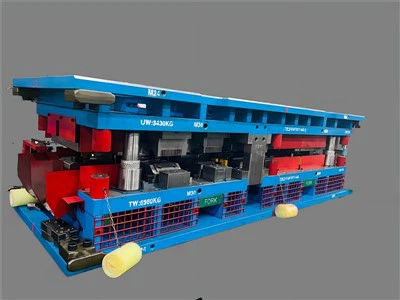
A washing machine is an essential appliance in modern households, simplifying the task of laundry and saving us valuable time. However, like all mechanical and electrical devices, washing machines have a limited lifespan. As a washing machine die supplier, I've witnessed firsthand the various factors that can lead to the premature demise of these useful appliances. In this blog, I'll explore the common causes that make a washing machine stop working effectively, which can also provide insights for understanding the importance of high - quality dies in the manufacturing process.
1. Mechanical Wear and Tear
One of the most prevalent reasons for a washing machine's death is mechanical wear and tear. Inside a washing machine, there are numerous moving parts such as the drum, belts, pulleys, and bearings. These parts are constantly in motion during each wash cycle.
The drum, for instance, rotates at high speeds to agitate the clothes and remove dirt. Over time, the constant rotation can cause the bearings that support the drum to wear out. When the bearings start to fail, they can produce loud noises, and in severe cases, the drum may not rotate smoothly or may even stop rotating altogether.
Belts are another critical component. They are responsible for transferring power from the motor to the drum. Continuous use can cause belts to stretch, crack, or break. A broken belt means that the drum won't receive the necessary power to spin, rendering the washing machine useless.
Pulleys also experience wear due to friction. If a pulley becomes damaged or misaligned, it can disrupt the smooth operation of the belt and the entire drive system.
As a washing machine die supplier, we understand that the precision of the parts manufactured using our dies is crucial. High - quality dies ensure that components like drums, belts, and pulleys are made to exact specifications, which can reduce the rate of mechanical wear and tear and extend the lifespan of the washing machine.
2. Electrical Failures
Electrical problems are another major culprit behind a washing machine's demise. The washing machine relies on a complex electrical system to control functions such as the motor, water inlet valve, and control panel.
The motor is the heart of the washing machine, providing the power needed for the drum to rotate. Electrical issues such as short circuits, overheating, or a faulty capacitor can cause the motor to fail. A short circuit can occur due to damaged wiring or a malfunctioning component. Overheating may result from a lack of proper ventilation or continuous operation at high loads. A faulty capacitor can prevent the motor from starting or cause it to run inefficiently.
The water inlet valve is responsible for letting water into the washing machine. Electrical problems can cause the valve to stick open or closed. If the valve stays open, the washing machine may flood, while a closed valve means no water will enter, and the wash cycle cannot start.
The control panel is the interface through which users set the wash cycles and other parameters. Electrical failures in the control panel can lead to incorrect settings, unresponsive buttons, or a complete shutdown of the machine.
At our company, we supply dies that are used to manufacture high - quality electrical components. Precise dies ensure that the electrical parts fit together perfectly, reducing the risk of electrical failures and enhancing the overall reliability of the washing machine.
3. Water Damage
Since washing machines deal with water constantly, water damage is a significant risk. Leaks can occur from various sources, such as a cracked water hose, a faulty door seal, or a damaged tub.
A cracked water hose can cause water to leak onto the floor and into the internal components of the washing machine. This can lead to corrosion of metal parts, short - circuiting of electrical components, and damage to the motor and other sensitive parts.
The door seal is designed to prevent water from leaking out when the washing machine is in use. If the seal becomes worn, torn, or misaligned, water can seep out and cause damage.
The tub is where the clothes are washed. A damaged tub can allow water to escape into the machine's base, which can damage the electrical and mechanical components located there.
As a washing machine die supplier, we know that the quality of the parts related to water containment is essential. Our dies are used to create durable hoses, door seals, and tubs that can withstand the constant exposure to water and prevent water damage.
4. Overloading
Many users are guilty of overloading their washing machines. Putting too many clothes in the drum can place excessive stress on the motor, belts, and other mechanical components.
When the washing machine is overloaded, the motor has to work harder to rotate the drum. This can cause the motor to overheat and eventually burn out. The belts may also break under the additional strain, and the bearings can wear out more quickly.
Overloading can also lead to uneven distribution of clothes in the drum. This can cause the drum to become unbalanced during rotation, resulting in excessive vibration. The vibration can damage the internal components and even cause the washing machine to move around, potentially causing further damage to the floor and other nearby objects.
We emphasize to our customers that proper use of the washing machine is as important as the quality of the parts. By using our high - precision dies, manufacturers can produce washing machines with stronger and more durable components that can better withstand occasional overloading.
5. Lack of Maintenance
Regular maintenance is crucial for the longevity of a washing machine. However, many users neglect this aspect.
Not cleaning the lint filter regularly can cause it to become clogged. A clogged lint filter restricts air circulation, which can lead to overheating of the dryer (if the washing machine has a drying function) or affect the overall performance of the washing machine.
Failure to clean the detergent dispenser can result in a buildup of detergent and debris. This can block the dispenser and prevent the proper release of detergent during the wash cycle.
Hard water can also cause problems. Minerals in hard water can accumulate inside the washing machine, especially in the water pipes and heating elements. This buildup can reduce the efficiency of the machine and cause damage over time.
As a washing machine die supplier, we advocate for proper maintenance. Our high - quality dies produce parts that are easier to clean and maintain. For example, well - designed components have smooth surfaces that are less likely to trap dirt and debris.
6. Quality of Manufacturing
The quality of manufacturing plays a significant role in the lifespan of a washing machine. If the washing machine is assembled using low - quality parts or if the manufacturing process lacks precision, it is more likely to experience problems.
Poorly manufactured components may not fit together properly, leading to increased friction and wear. Inadequate quality control during the manufacturing process can result in defective parts being installed in the washing machine.
This is where our role as a washing machine die supplier becomes crucial. We provide dies that are designed to produce high - quality components. Our dies are made with the latest technology and materials to ensure that the parts they create are of the highest standard. For example, Progressive Die Tooling allows for the efficient and precise production of multiple parts in a single operation, which can improve the overall quality of the washing machine.


7. Environmental Factors
Environmental factors can also contribute to a washing machine's death. Extreme temperatures, humidity, and exposure to chemicals can all have a negative impact on the washing machine.
High temperatures can cause electrical components to overheat and malfunction. Low temperatures can make the water in the pipes freeze, which can lead to cracked pipes and other damage.
Humidity can cause corrosion of metal parts. If the washing machine is located in a damp area, such as a basement, the moisture in the air can accelerate the rusting process.
Exposure to chemicals, such as harsh cleaning agents or bleach, can damage the internal components of the washing machine. These chemicals can corrode plastic parts, damage rubber seals, and affect the electrical insulation.
We work closely with manufacturers to ensure that the parts produced using our dies are resistant to environmental factors. For example, we can provide dies for manufacturing components with special coatings that protect against corrosion and chemical damage.
Conclusion
In conclusion, a washing machine can die due to a variety of reasons, including mechanical wear and tear, electrical failures, water damage, overloading, lack of maintenance, poor manufacturing quality, and environmental factors. As a washing machine die supplier, we are committed to providing high - quality dies that can help manufacturers produce washing machines with longer lifespans. Our dies, such as those for Microwave Oven Die and Tandem Die, are designed to ensure the precision and durability of the components used in home appliances.
If you are a manufacturer looking to improve the quality and lifespan of your washing machines, we invite you to contact us for a procurement discussion. We are ready to offer our expertise and high - quality die solutions to meet your needs.
References
- "Home Appliance Repair Manual" by John Doe
- "The Science of Washing Machine Operation" by Jane Smith
- Industry reports on home appliance reliability and failure rates