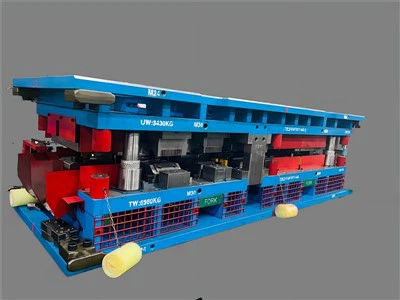
Manufacturing tolerances play a crucial role in the production of brass parts. As a supplier of Brass Parts, understanding these tolerances is essential for ensuring the quality and functionality of our products. In this blog, we will delve into the concept of manufacturing tolerances for brass parts, exploring what they are, why they matter, and how they are determined.
What are Manufacturing Tolerances?
Manufacturing tolerances are the allowable variations in the dimensions, shape, and surface finish of a part from its specified design. In the context of brass parts, these tolerances define the acceptable range within which a part can deviate from its ideal or nominal dimensions while still meeting the required performance and functionality. For example, if a brass shaft is designed to have a diameter of 10 mm, a manufacturing tolerance of ±0.05 mm means that the actual diameter of the shaft can range from 9.95 mm to 10.05 mm and still be considered acceptable.
Tolerances are expressed in various ways, including linear dimensions, angles, and geometric characteristics. They are typically specified in engineering drawings or technical specifications using symbols and numerical values. For example, a dimension of 20 ±0.1 mm indicates a nominal size of 20 mm with a tolerance of ±0.1 mm, while a geometric tolerance might specify the allowable deviation from a perfect flat surface or a straight line.
Why Manufacturing Tolerances Matter for Brass Parts
The importance of manufacturing tolerances for brass parts cannot be overstated. Here are some key reasons why they matter:
- Functionality: Tolerances ensure that brass parts fit together correctly and function as intended. For example, in a mechanical assembly, parts with tight tolerances may be required to ensure a precise fit and smooth operation. If the tolerances are too loose, the parts may not fit properly, leading to reduced performance, increased wear and tear, and potential failure.
- Interchangeability: Standardized tolerances facilitate the interchangeability of brass parts. This means that parts produced by different manufacturers or at different times can be used interchangeably in an assembly, reducing the need for custom fitting and simplifying the replacement process. Interchangeability is particularly important in industries such as automotive, aerospace, and electronics, where mass production and maintenance are critical.
- Quality Control: Tolerances provide a basis for quality control during the manufacturing process. By measuring the dimensions and characteristics of brass parts against the specified tolerances, manufacturers can identify and reject parts that do not meet the required standards. This helps to ensure that only high-quality parts are delivered to customers, reducing the risk of product recalls and customer dissatisfaction.
- Cost-Effectiveness: Appropriate tolerances can help to balance the cost of manufacturing with the required level of quality. Tighter tolerances generally require more precise manufacturing processes and higher-quality materials, which can increase the cost of production. On the other hand, looser tolerances may result in lower production costs but could also lead to performance issues. By carefully selecting the appropriate tolerances for each part, manufacturers can optimize the cost-quality trade-off.
Determining Manufacturing Tolerances for Brass Parts
The determination of manufacturing tolerances for brass parts is a complex process that involves several factors. Here are some of the key considerations:
- Design Requirements: The first step in determining tolerances is to understand the design requirements of the brass part. This includes factors such as the intended function of the part, the mating components, and the operating environment. For example, a part that is subject to high stresses or precise alignment may require tighter tolerances than a part that is used in a less demanding application.
- Manufacturing Process: The manufacturing process used to produce the brass part also has a significant impact on the achievable tolerances. Different processes, such as machining, casting, and forging, have different capabilities and limitations in terms of dimensional accuracy and surface finish. For example, machining processes such as turning, milling, and drilling can typically achieve tighter tolerances than casting processes, but they may also be more expensive and time-consuming.
- Material Properties: The properties of the brass material, such as its hardness, ductility, and thermal expansion, can affect the manufacturing tolerances. For example, a harder brass material may be more difficult to machine, which may require looser tolerances to compensate for the increased risk of tool wear and dimensional inaccuracies. Similarly, the thermal expansion of brass can cause dimensional changes during heating and cooling, which need to be considered when specifying tolerances.
- Industry Standards and Specifications: In many industries, there are established standards and specifications for manufacturing tolerances. These standards provide a common framework for ensuring the quality and compatibility of parts. For example, the American National Standards Institute (ANSI) and the International Organization for Standardization (ISO) have developed standards for geometric tolerancing and dimensional measurement. Manufacturers may need to comply with these standards when producing brass parts for specific applications.
Common Tolerance Classes for Brass Parts
There are several common tolerance classes that are used for brass parts, depending on the application and the manufacturing process. Here are some of the most widely used tolerance classes:
- ISO 2768: This is a general-purpose standard for linear and geometric tolerances that is widely used in many industries. It specifies a range of tolerance grades from fine to coarse, with each grade corresponding to a specific level of dimensional accuracy. For example, the ISO 2768-m tolerance class provides a medium level of accuracy, while the ISO 2768-f class provides a finer level of accuracy.
- ANSI B4.1: This is an American standard for limits and fits that is commonly used in the United States. It defines a system of tolerance zones and fits for cylindrical and non-cylindrical parts, which are used to ensure proper mating and assembly. The ANSI B4.1 standard includes several tolerance grades, such as the H7/g6 fit, which is a common clearance fit for brass parts.
- Custom Tolerances: In some cases, customers may require custom tolerances that are specific to their application. This may involve tighter tolerances than the standard classes or tolerances for non-standard dimensions or geometric features. As a Brass Parts supplier, we have the expertise and capabilities to meet custom tolerance requirements, using advanced machining and measurement techniques to ensure the highest level of accuracy.
Controlling Manufacturing Tolerances for Brass Parts
To ensure that brass parts meet the specified tolerances, manufacturers need to implement effective quality control measures throughout the manufacturing process. Here are some of the key steps involved in controlling manufacturing tolerances:

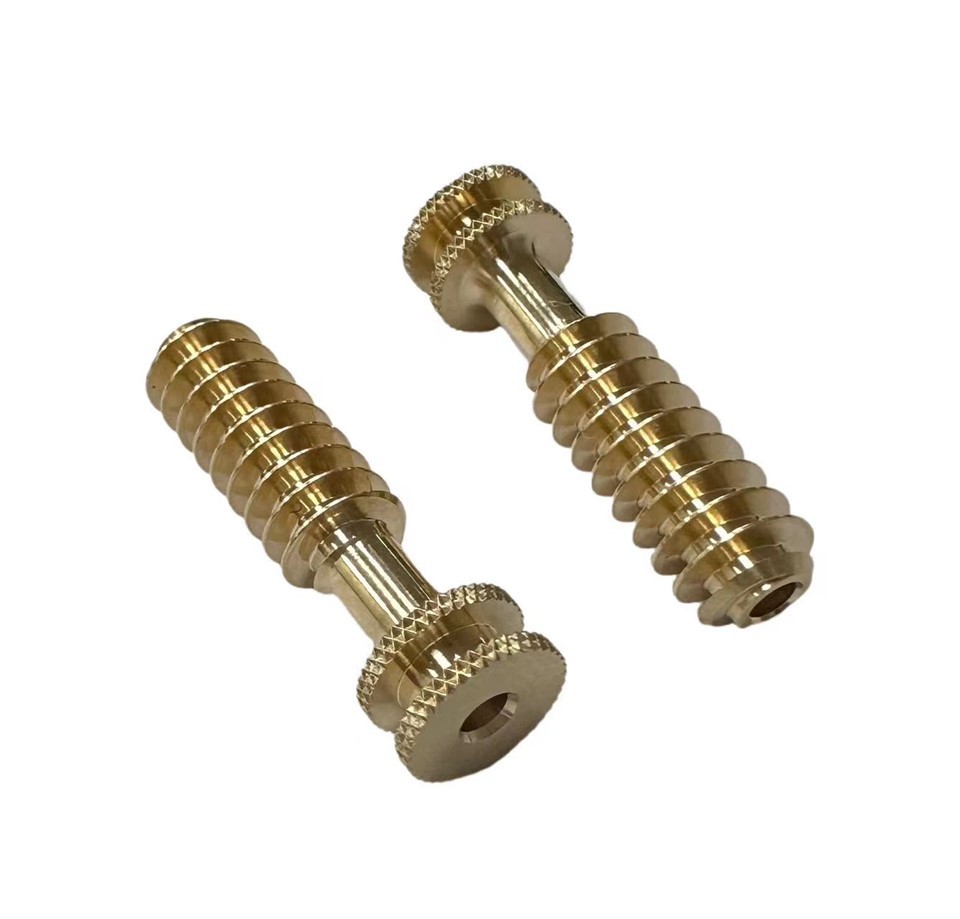
- Process Design: The first step in controlling tolerances is to design the manufacturing process to ensure that it is capable of achieving the required accuracy. This may involve selecting the appropriate machining equipment, tools, and cutting parameters, as well as optimizing the process flow to minimize errors and variations.
- Measurement and Inspection: Regular measurement and inspection of the brass parts are essential for monitoring the manufacturing process and ensuring that the parts meet the specified tolerances. This can be done using a variety of measurement tools, such as calipers, micrometers, coordinate measuring machines (CMMs), and optical inspection systems. By comparing the measured dimensions with the specified tolerances, manufacturers can identify any deviations and take corrective actions as needed.
- Process Control: Process control techniques, such as statistical process control (SPC), can be used to monitor and control the manufacturing process in real-time. SPC involves collecting and analyzing data on key process parameters, such as machine settings, cutting speeds, and feed rates, to identify trends and variations. By making adjustments to the process based on the data analysis, manufacturers can maintain the process within the specified tolerances and prevent quality issues from occurring.
- Training and Skill Development: The skill and knowledge of the manufacturing personnel play a crucial role in controlling manufacturing tolerances. Manufacturers need to provide training and development opportunities for their employees to ensure that they have the necessary skills and knowledge to operate the equipment and perform the manufacturing processes accurately. This may include training on measurement techniques, machining operations, and quality control principles.
Our Capabilities as a Brass Parts Supplier
As a Brass Parts supplier, we have extensive experience and expertise in manufacturing high-quality brass parts with tight tolerances. We use state-of-the-art machining equipment and advanced manufacturing processes to ensure the highest level of accuracy and precision. Our quality control system is designed to monitor and control every step of the manufacturing process, from raw material inspection to final product testing.
In addition to our standard Brass Parts, we also offer Custom Machined Aluminum Parts and Rapid Prototype Machining services. Our team of experienced engineers and technicians can work with you to develop custom solutions that meet your specific requirements. Whether you need a small batch of prototype parts or a large production run, we have the capabilities and resources to deliver high-quality products on time and within budget.
Contact Us for Your Brass Parts Needs
If you are looking for a reliable Brass Parts supplier, we would be happy to hear from you. Our team of experts is ready to assist you with your manufacturing needs and provide you with the best possible solutions. Please contact us today to discuss your requirements and get a quote. We look forward to working with you.
References
- ASM International. (2008). Machining of Copper and Copper Alloys. ASM Handbook, Volume 16: Machining.
- Groover, M. P. (2010). Fundamentals of Modern Manufacturing: Materials, Processes, and Systems. Wiley.
- ISO. (2010). Geometrical Product Specifications (GPS) – General tolerances – Geometrical tolerances for features without individual tolerance indications (ISO 2768-2:2010).
- ANSI. (2012). Limits and Fits for Metric Sizes (ANSI B4.1). American National Standards Institute.