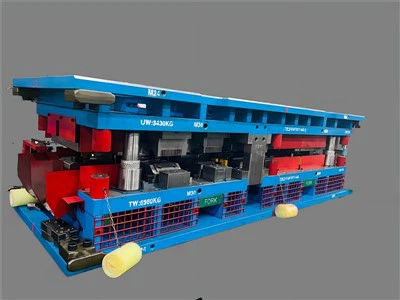
Mold release agents play a crucial role in the process of single casting die operations. As a dedicated single casting die supplier, I have witnessed firsthand the significant impacts that these agents can have on the quality, efficiency, and longevity of the casting process. In this blog, I will delve into the various effects of mold release agents on a single casting die, exploring both the positive and potential negative aspects.
Positive Effects of Mold Release Agents
1. Ease of Part Removal
One of the primary functions of a mold release agent is to facilitate the easy removal of the cast part from the die. During the casting process, the molten metal or other casting material fills the cavity of the single casting die. Without a proper release agent, the part can adhere strongly to the die surface, making it difficult to extract. This can lead to damage to both the part and the die. By applying a release agent, a thin film is created between the die and the casting material. This film reduces the friction and adhesion forces, allowing the part to be ejected smoothly. For example, in the production of small - scale metal castings, a well - applied release agent can ensure that the parts pop out of the die without the need for excessive force, which not only speeds up the production cycle but also reduces the risk of part deformation.
2. Surface Finish Improvement
Mold release agents can have a profound impact on the surface finish of the cast parts. When a release agent is used correctly, it can prevent the formation of defects such as sticking, tearing, or roughness on the part's surface. The release agent acts as a barrier that protects the die surface from direct contact with the molten material, reducing the chances of metal pick - up or the transfer of die surface imperfections to the part. This results in a smoother, more aesthetically pleasing surface finish. In industries such as automotive, where parts often require a high - quality surface finish for both functional and visual reasons, the use of a suitable release agent can be a game - changer. For instance, in the production of Automotive Progressive Die components, a good release agent can help achieve the precise surface requirements needed for proper assembly and performance.
3. Die Protection
Another significant benefit of mold release agents is their ability to protect the single casting die. The high - temperature and high - pressure environment during the casting process can cause wear and tear on the die surface. A release agent forms a protective layer on the die, which shields it from the erosive effects of the molten material. This layer can reduce the thermal shock to the die, preventing thermal cracking and other forms of heat - related damage. Additionally, it can minimize the corrosion that may occur due to contact with the casting material or the surrounding environment. By extending the lifespan of the die, the release agent helps to reduce the overall production cost. For a single casting die supplier like me, this means that our customers can get more use out of the dies we provide, enhancing their return on investment.
4. Consistency in Production
Mold release agents contribute to the consistency of the casting process. When a release agent is applied uniformly, it ensures that each cast part has similar properties and quality. This is particularly important in mass production, where consistency is key to meeting quality standards and customer expectations. For example, in the production of Progressive casting die products, consistent part quality is essential for proper functioning and interchangeability. The use of a reliable release agent helps to maintain this consistency by providing a stable interface between the die and the casting material, reducing variations in part dimensions, surface finish, and mechanical properties.
Potential Negative Effects of Mold Release Agents
1. Contamination
Although mold release agents are designed to improve the casting process, they can sometimes cause contamination issues. If the release agent is not properly formulated or applied, it can leave residues on the cast part or in the die cavity. These residues can affect the subsequent processing steps, such as painting, plating, or welding. For example, a residue from a release agent may prevent proper adhesion of a paint coating, leading to poor paint quality and reduced durability. In the die, the accumulation of release agent residues can also cause blockages in small channels or vents, affecting the flow of the molten material and potentially leading to casting defects.
2. Compatibility Issues
Not all mold release agents are compatible with every type of casting material and die material. Using an incompatible release agent can lead to chemical reactions that damage the die or the cast part. For instance, some release agents may react with certain metals, causing discoloration, embrittlement, or corrosion. In the case of a single casting die, this can be a serious problem as it may require costly repairs or even replacement of the die. It is crucial for a single casting die supplier like me to work closely with customers to ensure that the right release agent is selected based on the specific casting material and die requirements.
3. Environmental and Health Concerns
Some mold release agents contain chemicals that can be harmful to the environment and human health. Solvent - based release agents, for example, can release volatile organic compounds (VOCs) into the atmosphere during the casting process. These VOCs can contribute to air pollution and may also pose health risks to workers. In addition, some release agents may contain heavy metals or other toxic substances that can contaminate soil and water if not properly disposed of. As a responsible single casting die supplier, I am always aware of these concerns and encourage the use of environmentally friendly and safe release agents.
Choosing the Right Mold Release Agent
1. Consider the Casting Material
The type of casting material is a critical factor in selecting the appropriate mold release agent. Different materials have different properties, such as melting point, viscosity, and chemical reactivity. For example, when casting aluminum, a release agent that can withstand high temperatures and has good anti - sticking properties is required. On the other hand, for plastic casting, a release agent with a different set of characteristics, such as low surface tension and good compatibility with plastics, is needed.
2. Evaluate the Die Design
The design of the single casting die also influences the choice of release agent. Complex die designs with intricate shapes and deep cavities may require a release agent that can provide good coverage and penetration. For example, in a die with narrow channels or undercuts, a release agent with high flowability is essential to ensure that all areas of the die are properly coated.
3. Application Method
The method of applying the mold release agent is another important consideration. Release agents can be applied by spraying, brushing, or dipping. Each application method has its own advantages and limitations, and the choice depends on factors such as the size and shape of the die, the production volume, and the type of release agent. For example, spraying is a common method for large - scale production as it provides a uniform coating, but it may require proper ventilation to control the release of aerosols.
Conclusion
In conclusion, mold release agents have both positive and negative effects on a single casting die. On one hand, they offer significant benefits such as ease of part removal, improved surface finish, die protection, and production consistency. On the other hand, they can cause contamination, compatibility issues, and environmental and health concerns if not used correctly. As a single casting die supplier, I understand the importance of helping our customers choose the right mold release agent for their specific applications. By considering factors such as casting material, die design, and application method, we can ensure that the casting process runs smoothly and efficiently, resulting in high - quality cast parts.

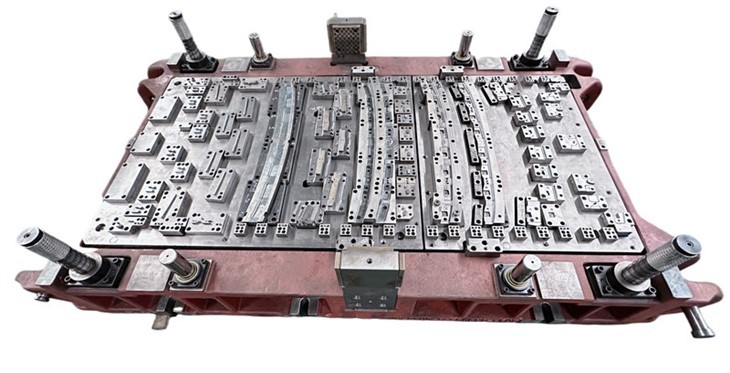
If you are in the market for Custom Stamping Dies or have questions about the use of mold release agents in your casting process, I encourage you to reach out. We are here to provide you with the best solutions and support to meet your casting needs. Contact us to start a discussion about your specific requirements and let's work together to achieve optimal results in your casting operations.
References
- Campbell, J. (2003). Casting. Butterworth - Heinemann.
- Kalpakjian, S., & Schmid, S. R. (2009). Manufacturing Engineering and Technology. Pearson Prentice Hall.
- Tiryakioglu, M., & Uslu, S. (2013). Metal Casting: Design and Process Engineering. CRC Press.