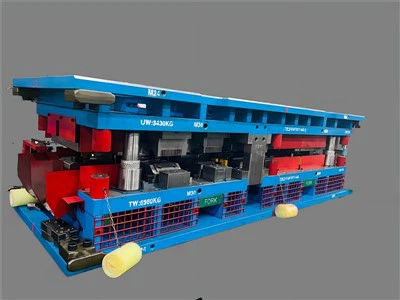
Hey there! As a supplier of Transfer Dies, I know firsthand how crucial it is to transport these heavy-duty tools safely. Transfer Dies are complex and expensive pieces of equipment, and any damage during transit can lead to significant losses in terms of time and money. In this blog post, I'll share some tips and best practices on how to transport a Transfer Die safely.
Understanding Transfer Dies
Before we dive into the transportation process, let's quickly go over what Transfer Dies are. Transfer Dies are used in the metal stamping industry to perform multiple operations on a workpiece in a single press stroke. They're commonly used in the automotive industry for manufacturing parts like engine blocks, body panels, and suspension components. You can learn more about Automotive Stamping Dies on our website.
These dies are typically large and heavy, weighing anywhere from a few hundred pounds to several tons. They're also precision tools, with tight tolerances and delicate components that can be easily damaged if not handled properly.
Pre - Transport Preparation
Inspection
The first step in transporting a Transfer Die safely is to conduct a thorough inspection. Check for any signs of damage, wear, or loose parts. Make sure all the moving components are properly lubricated and functioning correctly. If you find any issues, address them before shipping. This will not only prevent further damage during transit but also ensure that the die is in good working condition when it reaches its destination.
Cleaning
Clean the Transfer Die before packing it. Remove any dirt, debris, or metal shavings that may have accumulated on the surface or in the crevices. A clean die is less likely to experience corrosion during transit, and it's also easier to inspect for damage.
Documentation
Gather all the necessary documentation, including the die's specifications, operating manuals, and maintenance records. This information will be useful for the shipping company and the recipient. It can also help in case of any disputes or insurance claims.
Custom - Fitted Packaging
Invest in custom - fitted packaging for your Transfer Die. A well - designed crate or container will provide the necessary protection and support during transit. The packaging should be made of high - quality materials, such as heavy - duty wood or steel, and should be designed to withstand the rigors of transportation. It should also have internal padding or cushioning to absorb shocks and vibrations.
Choosing the Right Shipping Method
Freight Trucks
For local or regional shipments, freight trucks are often a good option. They offer flexibility in terms of pick - up and delivery times, and they can handle large and heavy loads. When choosing a freight trucking company, make sure they have experience in transporting heavy machinery and tools. Check their safety record and insurance coverage.
Rail Transport
If you're shipping the Transfer Die over a long distance, rail transport can be a cost - effective option. Railroads are designed to handle large and heavy loads, and they offer a relatively stable and secure mode of transportation. However, rail transport may require additional handling at transfer points, so it's important to ensure that the die is properly protected during these transitions.
Air Freight
In some cases, air freight may be necessary, especially if the Transfer Die needs to be delivered quickly. Air freight is fast, but it's also more expensive and has weight and size restrictions. Make sure to work with an experienced air freight forwarder who can handle the special requirements of transporting a Transfer Die.
Securing the Transfer Die for Transit
Internal Securing
Inside the packaging, use straps, bolts, or brackets to secure the Transfer Die in place. This will prevent it from shifting during transit, which can cause damage to the die and the packaging. Make sure the securing methods are tight but not so tight that they cause damage to the die.
External Markings
Mark the packaging clearly with the die's weight, dimensions, and handling instructions. Use symbols and labels to indicate which side is up, where to lift the package, and any special handling requirements. This will help the shipping company and the handlers to transport the die safely.
Monitoring During Transit
Tracking
Use a tracking system to monitor the location and status of the Transfer Die during transit. This will allow you to keep an eye on its progress and ensure that it's on schedule. Most shipping companies offer tracking services, and you can also use third - party tracking tools.
Communication
Maintain regular communication with the shipping company. Check in on the status of the shipment and address any issues or concerns promptly. If there are any delays or problems, work with the shipping company to find a solution.


Unloading and Installation
Professional Unloading
When the Transfer Die arrives at its destination, make sure it's unloaded by professionals. They should have the necessary equipment and experience to handle the heavy load safely. Use a crane or forklift that is rated for the weight of the die.
Installation
After unloading, the Transfer Die needs to be installed correctly. Follow the manufacturer's instructions and use the appropriate tools and equipment. Make sure the die is properly aligned and secured in the press. Test the die to ensure that it's functioning correctly before putting it into production.
Conclusion
Transporting a Transfer Die safely requires careful planning, preparation, and execution. By following these tips and best practices, you can minimize the risk of damage and ensure that your Transfer Die arrives at its destination in good condition.
If you're in the market for Progressive Die & Stamping or Custom Stamping Dies, or if you have any questions about our Transfer Dies or their transportation, feel free to reach out. We're here to help you make the right choices and ensure a smooth and successful operation.
References
- Metal Stamping Handbook, published by the Society of Manufacturing Engineers
- Automotive Tooling and Manufacturing Best Practices Guide, by industry experts