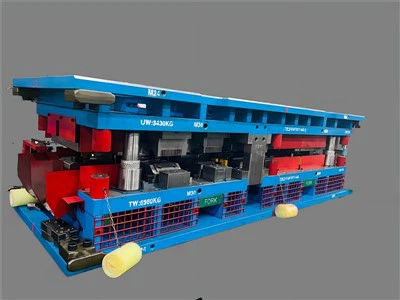
As a leading supplier of Punch Riveting Dies, I've witnessed firsthand the challenges manufacturers face when it comes to die wear. Punch riveting dies are essential tools in various industries, including automotive, aerospace, and electronics. However, excessive wear can lead to reduced productivity, increased costs, and compromised product quality. In this blog post, I'll share some practical tips on how to reduce the wear of a punch riveting die, drawing on my years of experience in the industry.
Understanding the Causes of Die Wear
Before we delve into the solutions, it's crucial to understand the primary causes of die wear. The wear of a punch riveting die can be attributed to several factors, including:
- Friction: The constant rubbing between the die and the workpiece generates friction, which can cause material removal and surface damage over time.
- Adhesion: Adhesion occurs when the material from the workpiece sticks to the die surface, leading to the formation of built-up edges and increased wear.
- Abrasion: Abrasive particles in the workpiece or the surrounding environment can cause scratches and wear on the die surface.
- Fatigue: Repeated loading and unloading of the die can lead to fatigue cracks, which can propagate and eventually cause the die to fail.
- Corrosion: Exposure to moisture, chemicals, or other corrosive substances can cause the die surface to corrode, reducing its hardness and wear resistance.
Selecting the Right Die Material
One of the most effective ways to reduce die wear is to select the right die material. The choice of material depends on several factors, including the type of workpiece, the operating conditions, and the desired tool life. Here are some common die materials and their properties:
- High-Speed Steel (HSS): HSS is a popular choice for punch riveting dies due to its high hardness, wear resistance, and toughness. It can withstand high temperatures and is suitable for use with a variety of workpiece materials.
- Carbide: Carbide is an extremely hard and wear-resistant material that is often used for dies that require high precision and long tool life. It is more expensive than HSS but offers superior performance in terms of wear resistance.
- Tool Steel: Tool steel is a versatile material that can be heat-treated to achieve different levels of hardness and toughness. It is commonly used for dies that require moderate wear resistance and good machinability.
- Ceramics: Ceramics are known for their high hardness, wear resistance, and chemical stability. They are suitable for use in high-speed stamping applications where extreme wear resistance is required.
When selecting a die material, it's important to consider the specific requirements of your application and consult with a die material supplier or a metallurgist for expert advice.
Optimizing the Die Design
The design of the punch riveting die can also have a significant impact on its wear resistance. Here are some design considerations to keep in mind:
- Proper Clearance: Ensuring proper clearance between the punch and the die is crucial to prevent excessive friction and wear. The clearance should be carefully calculated based on the thickness and material of the workpiece.
- Smooth Surface Finish: A smooth surface finish on the die can reduce friction and prevent the adhesion of workpiece material. It's important to use high-quality machining processes and polishing techniques to achieve a smooth surface finish.
- Rounded Edges: Rounded edges on the punch and die can help to distribute the load more evenly and reduce stress concentrations, which can lead to premature wear and failure.
- Proper Venting: Adequate venting in the die design can prevent the buildup of air or debris, which can cause damage to the die surface and affect the quality of the riveting process.
Implementing Proper Lubrication
Lubrication is essential for reducing friction and wear in punch riveting dies. A good lubricant can help to cool the die, reduce adhesion, and prevent the formation of built-up edges. Here are some tips for implementing proper lubrication:
- Select the Right Lubricant: The choice of lubricant depends on several factors, including the type of workpiece material, the operating conditions, and the die material. It's important to select a lubricant that is compatible with the workpiece and the die and provides adequate lubrication and cooling.
- Apply the Lubricant Correctly: The lubricant should be applied evenly to the die surface and the workpiece to ensure proper coverage. It's important to follow the manufacturer's instructions for application and to use the correct amount of lubricant.
- Monitor the Lubricant Level: Regularly monitoring the lubricant level and replenishing it as needed is crucial to ensure continuous lubrication and prevent dry running, which can cause excessive wear and damage to the die.
Maintaining the Die Properly
Proper maintenance is essential for extending the life of a punch riveting die. Here are some maintenance tips to keep in mind:
- Regular Cleaning: Regularly cleaning the die to remove debris, chips, and lubricant residue can prevent the buildup of contaminants, which can cause wear and damage to the die surface.
- Inspection and Repair: Regularly inspecting the die for signs of wear, damage, or cracks and repairing or replacing worn or damaged parts promptly can prevent further damage and ensure the continued performance of the die.
- Proper Storage: Storing the die in a clean, dry, and protected environment can prevent corrosion and damage to the die surface. It's important to use appropriate storage containers and to protect the die from moisture, dust, and other contaminants.
Using Advanced Coating Technologies
Advanced coating technologies can provide an additional layer of protection for punch riveting dies and significantly reduce wear. Here are some common coating technologies used in die applications:


- Physical Vapor Deposition (PVD): PVD coatings are thin, hard coatings that are applied to the die surface using a vacuum deposition process. They can improve the wear resistance, hardness, and lubricity of the die surface, reducing friction and adhesion.
- Chemical Vapor Deposition (CVD): CVD coatings are similar to PVD coatings but are applied at higher temperatures. They offer excellent wear resistance and can be used in high-temperature applications.
- Diamond-Like Carbon (DLC) Coatings: DLC coatings are a type of PVD coating that offer exceptional hardness, wear resistance, and low friction. They are suitable for use in applications where high precision and long tool life are required.
Training and Education
Finally, providing training and education to operators and maintenance personnel is crucial for ensuring the proper use and maintenance of punch riveting dies. Operators should be trained on the correct operating procedures, including the proper setup, adjustment, and lubrication of the die. Maintenance personnel should be trained on the inspection, repair, and maintenance of the die to ensure its continued performance and longevity.
Conclusion
Reducing the wear of a punch riveting die is essential for improving productivity, reducing costs, and ensuring the quality of the riveting process. By selecting the right die material, optimizing the die design, implementing proper lubrication, maintaining the die properly, using advanced coating technologies, and providing training and education, manufacturers can significantly extend the life of their punch riveting dies and achieve better results.
If you're interested in learning more about our Prototype Die, high speed stamping die, or Progressive Tool Sheet Metal products, or if you have any questions about reducing die wear, please don't hesitate to contact us. We're here to help you find the best solutions for your specific needs and to ensure the success of your manufacturing operations.
References
- ASM Handbook, Volume 8: Mechanical Testing and Evaluation, ASM International, 2000.
- Die Design Handbook, Society of Manufacturing Engineers, 2008.
- Tool and Manufacturing Engineers Handbook, Fourth Edition, Society of Manufacturing Engineers, 1984.