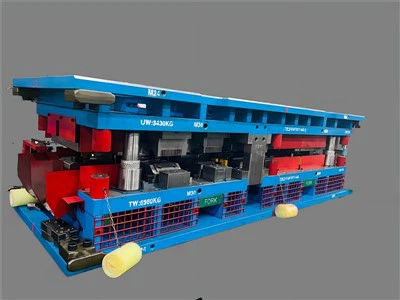
As a dedicated supplier of deep draw parts, I've witnessed firsthand the transformative power of annealing in the manufacturing process. Annealing is not just a technical step; it's an art that can significantly enhance the quality and performance of deep draw parts. In this blog, I'll share my insights on how to perform annealing for deep draw parts, drawing from years of experience in the industry.
Understanding the Basics of Annealing
Annealing is a heat treatment process used to alter the physical and sometimes chemical properties of a material to increase its ductility and reduce its hardness, making it more workable. For deep draw parts, which are often made from metals like steel, aluminum, or copper, annealing can relieve internal stresses caused by the deep drawing process, improve the material's formability, and enhance its overall quality.
There are three main stages in the annealing process: heating, soaking, and cooling. Each stage plays a crucial role in achieving the desired properties of the deep draw parts.
Heating
The first step in annealing is to heat the deep draw parts to a specific temperature. The heating rate and the final temperature depend on the type of material being annealed. For example, steel parts typically require a higher annealing temperature compared to aluminum parts. It's essential to heat the parts slowly and evenly to prevent thermal shock, which can cause cracking or other defects.
Soaking
Once the parts reach the desired annealing temperature, they need to be held at that temperature for a certain period. This is known as the soaking stage. The soaking time allows the material to undergo the necessary structural changes. The length of the soaking time depends on factors such as the thickness of the parts, the type of material, and the specific annealing requirements.
Cooling
After the soaking stage, the parts need to be cooled down. The cooling rate is another critical factor in the annealing process. Different cooling rates can result in different material properties. For example, slow cooling can produce a more ductile and softer material, while rapid cooling can increase the hardness of the material.
Factors Affecting Annealing for Deep Draw Parts
Several factors can affect the annealing process for deep draw parts. Understanding these factors is crucial for achieving optimal results.
Material Type
Different materials have different annealing requirements. For example, stainless steel requires a different annealing temperature and time compared to carbon steel. As a deep draw parts supplier, it's essential to have a good understanding of the material properties and annealing requirements of the parts you're producing.
Part Thickness
The thickness of the deep draw parts can also affect the annealing process. Thicker parts may require a longer soaking time and a slower cooling rate to ensure that the entire part is properly annealed. On the other hand, thinner parts may require a shorter soaking time and a faster cooling rate.
Annealing Atmosphere
The annealing atmosphere can also have a significant impact on the quality of the annealed parts. For example, annealing in an inert gas atmosphere can prevent oxidation and other surface defects. In some cases, a reducing atmosphere may be used to remove any surface oxides.
Steps to Perform Annealing for Deep Draw Parts
Now that we've covered the basics of annealing and the factors that affect it, let's take a look at the steps involved in performing annealing for deep draw parts.
Step 1: Preparation
Before annealing, it's essential to clean the deep draw parts thoroughly to remove any dirt, oil, or other contaminants. This can help prevent surface defects during the annealing process. You may also need to inspect the parts for any cracks or other defects that could affect the annealing process.
Step 2: Loading the Parts
Once the parts are clean and inspected, they need to be loaded into the annealing furnace. It's important to arrange the parts in a way that allows for even heating and cooling. You may need to use fixtures or trays to hold the parts in place.
Step 3: Heating
Set the annealing furnace to the appropriate temperature and heating rate based on the material type and part thickness. Monitor the temperature closely to ensure that the parts are heated evenly. You may need to use thermocouples or other temperature sensors to measure the temperature accurately.


Step 4: Soaking
Once the parts reach the desired annealing temperature, hold them at that temperature for the specified soaking time. This allows the material to undergo the necessary structural changes.
Step 5: Cooling
After the soaking stage, cool the parts down according to the specified cooling rate. You may need to use a cooling system, such as a fan or a water bath, to control the cooling rate.
Step 6: Inspection
Once the parts are cooled down, inspect them for any defects or changes in properties. You may need to use non-destructive testing methods, such as ultrasonic testing or X-ray inspection, to detect any internal defects.
Benefits of Annealing for Deep Draw Parts
Annealing offers several benefits for deep draw parts. Here are some of the key benefits:
Improved Formability
Annealing can significantly improve the formability of deep draw parts. By reducing the hardness and increasing the ductility of the material, it becomes easier to shape the parts during the deep drawing process. This can result in fewer defects and higher-quality parts.
Relieved Internal Stresses
The deep drawing process can introduce internal stresses in the parts, which can lead to cracking or other defects over time. Annealing can relieve these internal stresses, making the parts more stable and durable.
Enhanced Surface Finish
Annealing can also improve the surface finish of deep draw parts. By reducing the hardness of the material, it becomes easier to polish or finish the parts, resulting in a smoother and more aesthetically pleasing surface.
Applications of Annealed Deep Draw Parts
Annealed deep draw parts are used in a wide range of industries, including automotive, aerospace, and electronics. Here are some examples of applications:
Automotive Industry
In the automotive industry, annealed deep draw parts are used in various components, such as engine parts, transmission parts, and body panels. The improved formability and durability of annealed parts make them ideal for these applications. For more information on automotive metal stamping dies, you can visit Automotive Metal Stamping Die.
Aerospace Industry
In the aerospace industry, annealed deep draw parts are used in critical components, such as aircraft engines and structural parts. The high strength and reliability of annealed parts are essential for these applications.
Electronics Industry
In the electronics industry, annealed deep draw parts are used in electronic enclosures, connectors, and other components. The improved surface finish and formability of annealed parts make them suitable for these applications. For more information on sheet metal progressive tools, you can visit Sheet Metal Progressive Tool.
Conclusion
Annealing is a crucial process for deep draw parts, offering numerous benefits such as improved formability, relieved internal stresses, and enhanced surface finish. As a deep draw parts supplier, it's essential to have a good understanding of the annealing process and the factors that affect it. By following the steps outlined in this blog and considering the specific requirements of your parts, you can achieve optimal results and produce high-quality deep draw parts.
If you're interested in purchasing high-quality deep draw parts or learning more about our annealing services, please feel free to contact us for procurement discussions. We're committed to providing our customers with the best products and services in the industry.
References
- ASM Handbook Volume 4: Heat Treating. ASM International.
- Metals Handbook Desk Edition, 3rd Edition. ASM International.