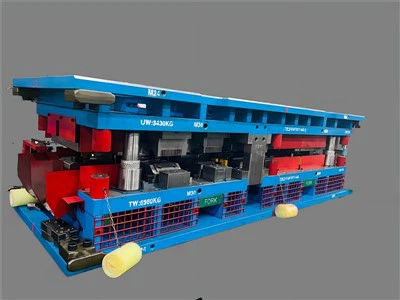
Hey there! As a supplier of Transfer Dies, I've seen firsthand how crucial it is to have an optimized layout for these dies. In this blog, I'll share some tips and tricks on how to achieve just that.
First off, let's understand what a Transfer Die is. A Transfer Die is a specialized tool used in metal stamping processes, especially in the automotive industry. If you want to know more about it, you can check out this Transfer Die link. It's a die that transfers the workpiece from one station to another, performing multiple operations like cutting, bending, and forming in a sequential manner.
Now, why is optimizing the layout of a Transfer Die so important? Well, an optimized layout can significantly improve the efficiency of the stamping process. It can reduce the cycle time, which means you can produce more parts in less time. This directly translates to cost savings and increased productivity. Moreover, a well - laid - out die can also improve the quality of the stamped parts, reducing the number of defective products.
1. Understanding the Part Design
The first step in optimizing the layout of a Transfer Die is to have a clear understanding of the part design. You need to know the shape, size, and features of the part that you're going to stamp. This will help you determine the number of stations required in the die and the sequence of operations.
For example, if the part has complex bends and holes, you might need more stations to perform these operations accurately. On the other hand, if the part is relatively simple, you can design the die with fewer stations, which will save both space and cost.
2. Station Sequence Planning
Once you understand the part design, the next step is to plan the sequence of stations in the die. The sequence should be logical and efficient. Start with the basic operations like blanking and then move on to more complex operations like bending and forming.


For instance, if you have a part that needs to be bent after being cut, it makes sense to perform the cutting operation first and then the bending operation. This way, you can ensure that the part is in the correct position for each operation, reducing the chances of errors.
3. Transfer System Design
The transfer system is an essential part of a Transfer Die. It's responsible for moving the workpiece from one station to another. There are different types of transfer systems, such as mechanical, hydraulic, and servo - driven systems.
When designing the transfer system, you need to consider factors like the speed, accuracy, and reliability. A fast and accurate transfer system can improve the cycle time of the stamping process. However, it also needs to be reliable to avoid downtime due to breakdowns.
4. Material Flow Considerations
Proper material flow is crucial for an optimized die layout. You need to ensure that the material can flow smoothly through the die without any jams or blockages. This means designing the die with the right clearances and guides.
For example, the width of the material strip should be carefully considered. If it's too wide, it might not fit through the die properly. If it's too narrow, it might not provide enough support for the part during the stamping process.
5. Tooling Placement
The placement of the tooling in each station is also very important. The tools should be arranged in a way that allows easy access for maintenance and replacement. They should also be positioned accurately to ensure the correct operation of the die.
For example, if a punch and die set is not aligned correctly, it can cause poor quality parts or even damage to the die. So, take the time to carefully plan the tooling placement in each station.
6. Safety Features
Safety should always be a top priority when designing a Transfer Die. You need to incorporate safety features like guards, sensors, and emergency stop buttons. These features can protect the operators from potential hazards during the stamping process.
For example, a guard can prevent the operator from accidentally coming into contact with the moving parts of the die. A sensor can detect any abnormal conditions and stop the machine immediately.
7. Testing and Validation
After designing the die layout, it's important to test and validate it. This can be done through computer - aided simulation or physical prototyping.
Simulation can help you identify any potential problems in the die layout before actually manufacturing the die. It can show you how the part will be formed, how the transfer system will work, and if there are any interferences between the components.
Physical prototyping, on the other hand, allows you to test the die in a real - world environment. You can see how the die performs under actual stamping conditions and make any necessary adjustments.
8. Collaboration with Customers
As a Transfer Die supplier, collaborating with customers is crucial. They can provide valuable insights into the part requirements and the production environment. By working closely with them, you can ensure that the die layout meets their specific needs.
For example, if the customer has a particular production line with certain space constraints, you can design the die to fit within those constraints.
9. Continuous Improvement
Optimizing the layout of a Transfer Die is not a one - time process. It's an ongoing effort. You should always look for ways to improve the die layout based on the feedback from the production floor and the changing requirements of the customers.
For example, if you notice that a particular operation in the die is taking too long, you can analyze it and find ways to speed it up. This could involve changing the tooling, adjusting the transfer system, or modifying the station sequence.
Conclusion
Optimizing the layout of a Transfer Die is a complex but rewarding process. By following these tips, you can improve the efficiency, quality, and safety of the stamping process. As a Transfer Die supplier, I'm always ready to help you with your die layout needs. Whether you're in the automotive industry or any other industry that requires metal stamping, we can work together to design the perfect Transfer Die for your products.
If you're interested in our Transfer Dies or need more information about optimizing the die layout, don't hesitate to reach out for a procurement discussion. You can also check out our Automotive Metal Stamping Die and Automotive Progressive Die links to learn more about our other products.
References
- Metal Stamping Handbook
- Automotive Stamping Technology Guides
- Transfer Die Design and Manufacturing Best Practices