As a trusted supplier of machined parts, I've witnessed firsthand the critical role that high - precision holes play in various industries. From aerospace to automotive, the demand for parts with accurate holes is constantly on the rise. In this blog, I'll share some in - depth insights on how to machine parts with high - precision holes.
Understanding the Basics of High - Precision Hole Machining
High - precision hole machining refers to the process of creating holes in parts with extremely tight tolerances, usually within a few micrometers. The quality of these holes can significantly affect the performance and functionality of the final product. For example, in an engine block, high - precision holes are essential for proper piston movement and lubrication.
There are several factors that need to be considered before starting the hole - machining process. One of the most important is the material of the part. Different materials, such as metals, plastics, and composites, have different properties that can impact the machining process. For instance, metals like steel are generally harder and more difficult to machine compared to plastics.
Another crucial factor is the size and depth of the hole. Smaller and deeper holes often require more advanced machining techniques and specialized tools. Additionally, the surface finish of the hole is also a key consideration, as it can affect the fit and function of components that interact with the hole.
Selecting the Right Machining Process
There are several machining processes available for creating high - precision holes, each with its own advantages and limitations.
Drilling
Drilling is one of the most common methods for creating holes in machined parts. It involves using a drill bit to cut into the material. For high - precision applications, using a high - quality drill bit is essential. Solid carbide drill bits are often preferred due to their excellent wear resistance and ability to maintain sharp cutting edges.
When drilling high - precision holes, it's important to control the feed rate and spindle speed. A too - high feed rate can cause the drill bit to break or produce rough hole surfaces, while an improper spindle speed can lead to overheating and reduced hole accuracy.
Boring
Boring is a process used to enlarge an existing hole or to improve its accuracy and surface finish. It is particularly useful for achieving high - precision holes with tight tolerances. In boring, a single - point cutting tool is used to remove material from the inner surface of the hole.
Boring requires a high - precision boring machine and skilled operators. The cutting parameters, such as cutting speed, feed rate, and depth of cut, need to be carefully adjusted to ensure the desired hole quality.
Reaming
Reaming is a finishing operation that is used to improve the size, shape, and surface finish of a pre - drilled hole. A reamer is a multi - point cutting tool that removes a small amount of material from the hole surface.
Reaming can achieve very high levels of accuracy, with tolerances as tight as a few micrometers. It is often used in applications where a high - quality surface finish and precise hole size are required, such as in hydraulic cylinders and fuel injection systems.
Choosing the Appropriate Tools
Selecting the right tools is crucial for machining high - precision holes. As mentioned earlier, solid carbide drill bits are a popular choice for drilling. They offer high hardness, good heat resistance, and excellent wear resistance, which are essential for maintaining hole accuracy over long production runs.
For boring operations, boring bars with carbide inserts are commonly used. These boring bars can be adjusted to achieve the desired hole diameter with high precision. The inserts are made of carbide or other hard materials to ensure long tool life and consistent cutting performance.
Reamers also come in various types, including hand reamers and machine reamers. Machine reamers are typically used in automated machining processes, while hand reamers are used for manual finishing operations. It's important to choose a reamer with the appropriate number of flutes and cutting edge geometry for the specific application.
Controlling the Machining Environment
The machining environment can have a significant impact on the accuracy of high - precision holes. Temperature changes, vibrations, and cutting fluid quality are some of the factors that need to be carefully controlled.
Temperature Control
Temperature variations can cause the material to expand or contract, which can affect the size and shape of the hole. To minimize the impact of temperature changes, it's important to maintain a stable machining environment. This can be achieved by using temperature - controlled machining centers or by allowing the part to reach a stable temperature before machining.
Vibration Reduction
Vibrations during the machining process can lead to poor hole quality, including rough surfaces and inaccurate hole sizes. To reduce vibrations, using vibration - dampening fixtures and tool holders is recommended. Additionally, proper machine maintenance and alignment can also help to minimize vibrations.
Cutting Fluid Management
Cutting fluid plays a crucial role in high - precision hole machining. It helps to cool the cutting tool, reduce friction, and flush away chips. Using the right type of cutting fluid and maintaining its proper concentration and cleanliness are essential for achieving high - quality holes.
Quality Control and Inspection
Quality control is an integral part of the high - precision hole machining process. After the holes are machined, they need to be inspected to ensure that they meet the required specifications.

Measuring Tools
There are several measuring tools available for inspecting high - precision holes, such as micrometers, calipers, and coordinate measuring machines (CMMs). Micrometers and calipers are used for basic measurements of hole diameter and depth, while CMMs can provide highly accurate 3D measurements of the hole's shape and position.
Statistical Process Control (SPC)
Statistical process control is a method used to monitor and control the machining process to ensure consistent quality. By collecting and analyzing data on hole dimensions and other quality characteristics, SPC can help to identify trends and potential problems early in the production process.
Our Offerings as a Machined Parts Supplier
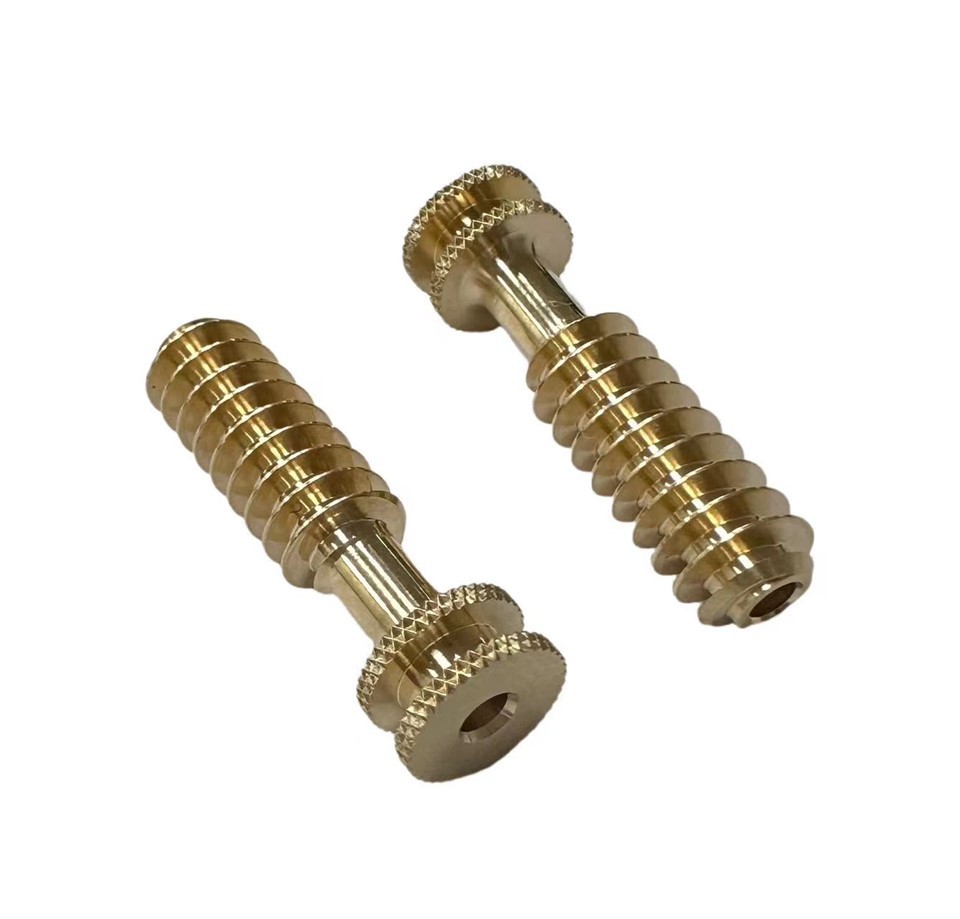
As a leading supplier of machined parts, we have extensive experience in machining high - precision holes. We offer a wide range of Turned Parts, Brass Parts, and CNC Precision Machined Parts with high - precision holes.
Our state - of - the - art machining facilities are equipped with the latest CNC machines and high - precision measuring equipment. Our team of skilled engineers and operators is dedicated to ensuring that every part we produce meets the highest quality standards.
If you're in need of machined parts with high - precision holes, we invite you to contact us for a detailed discussion. We can work with you to understand your specific requirements and provide customized solutions that meet your needs. Whether you're a small - scale manufacturer or a large - scale industrial company, we have the expertise and resources to support your production.
References
- "Modern Machining Technology" by Oberg, Jones, and Horton.
- "Precision Machining Handbook" by John A. Schey.
- Industry - specific technical papers on high - precision hole machining from ASME and other professional organizations.