Hey there! I'm a supplier of Turned Parts, and I often get asked about how to improve the thermal conductivity of these parts. It's a crucial aspect, especially in industries where heat dissipation is a big deal, like electronics and automotive. So, let's dive right in and explore some ways to make our Turned Parts Turned Parts better at conducting heat.
Understanding Thermal Conductivity
First things first, what exactly is thermal conductivity? Well, it's a measure of a material's ability to conduct heat. Think of it like a highway for heat. The better the thermal conductivity, the faster heat can travel through the material. For Turned Parts, this means that they can transfer heat more efficiently, which is super important in preventing overheating and ensuring the longevity of the components.
Material Selection
One of the most effective ways to improve thermal conductivity is by choosing the right material. Some materials are naturally better at conducting heat than others. For example, metals like copper and aluminum have high thermal conductivity. Copper, in particular, is a great choice for Turned Parts that need to dissipate heat quickly. It has excellent electrical and thermal conductivity, making it ideal for applications in electronics.
Brass Parts are also a popular option. Brass is an alloy of copper and zinc, and it combines the good thermal conductivity of copper with the strength and corrosion resistance of zinc. It's often used in plumbing, electrical connectors, and other applications where heat transfer and durability are important.
When selecting a material, it's not just about the thermal conductivity. You also need to consider other factors like cost, machinability, and corrosion resistance. For instance, while silver has the highest thermal conductivity of all metals, it's also very expensive, so it might not be the most practical choice for large-scale production.
Surface Treatment
Another way to enhance thermal conductivity is through surface treatment. A smooth surface can improve heat transfer because it reduces the contact resistance between the part and the surrounding environment. There are several surface treatment methods that can be used, such as polishing, plating, and anodizing.
Polishing the surface of the Turned Part can make it smoother, which allows heat to flow more easily. It's a simple and cost-effective way to improve thermal performance. Plating, on the other hand, involves depositing a thin layer of metal on the surface of the part. This can not only improve thermal conductivity but also provide corrosion protection. For example, nickel plating can enhance the thermal and electrical conductivity of the part, as well as its resistance to wear and corrosion.
Anodizing is a process that creates a protective oxide layer on the surface of aluminum parts. This layer can improve the thermal conductivity of the part, as well as its corrosion resistance and durability. It's commonly used in the aerospace and automotive industries.
Design Optimization
The design of the Turned Part also plays a crucial role in its thermal conductivity. A well-designed part can promote better heat transfer by increasing the surface area available for heat dissipation. For example, adding fins or grooves to the surface of the part can significantly increase its surface area, which allows more heat to be transferred to the surrounding environment.
In addition, the shape of the part can affect its thermal performance. A part with a larger cross-sectional area will generally have better thermal conductivity than a part with a smaller cross-sectional area. This is because a larger area provides more pathways for heat to flow. So, when designing Turned Parts, it's important to consider the heat transfer requirements and optimize the shape and size accordingly.
Manufacturing Process
The manufacturing process can also have an impact on the thermal conductivity of Turned Parts. For example, CNC Precision Machined Parts can be produced with high accuracy and precision, which can ensure that the part has the right dimensions and surface finish for optimal heat transfer.
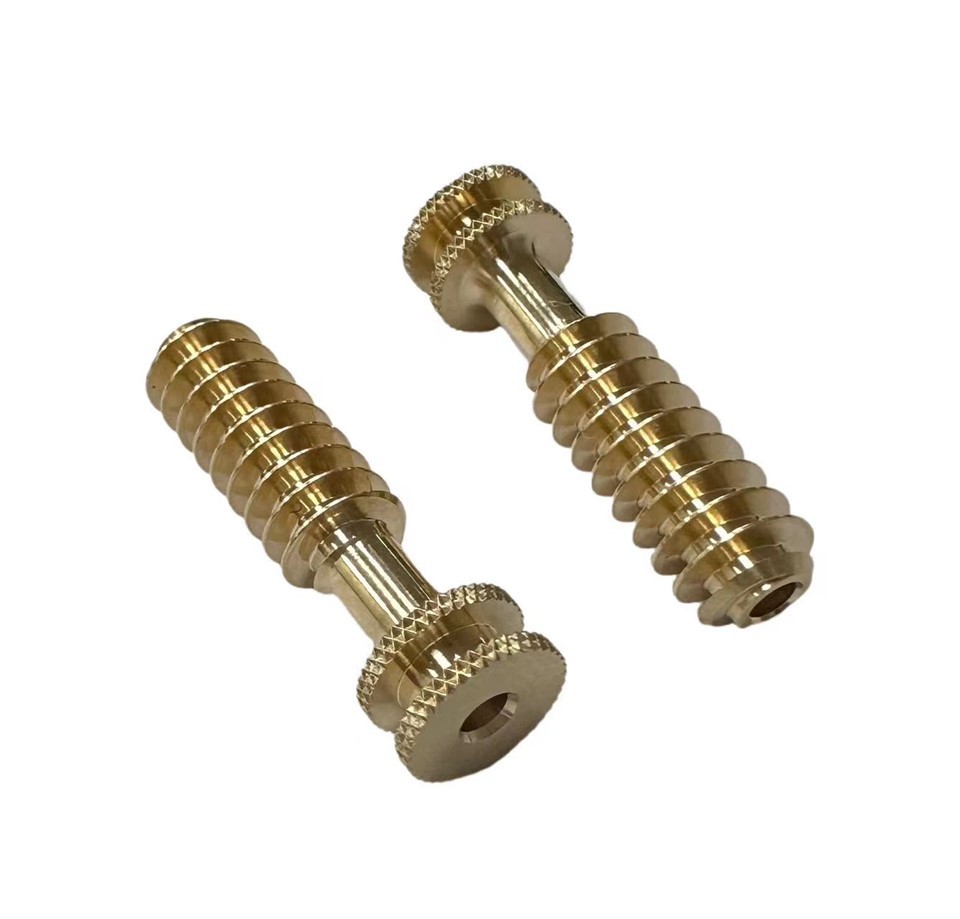

During the machining process, it's important to control the cutting parameters, such as the cutting speed, feed rate, and depth of cut. These parameters can affect the surface integrity of the part, which in turn can impact its thermal conductivity. For example, a high cutting speed can cause the surface of the part to become rough, which can increase the contact resistance and reduce the heat transfer efficiency.
Testing and Quality Control
Once the Turned Parts are manufactured, it's essential to test their thermal conductivity to ensure that they meet the required specifications. There are several testing methods available, such as the guarded hot plate method and the laser flash method. These methods can accurately measure the thermal conductivity of the parts and identify any potential issues.
Quality control is also crucial throughout the manufacturing process. By implementing strict quality control measures, we can ensure that the Turned Parts are consistent in terms of their thermal performance. This includes inspecting the raw materials, monitoring the manufacturing process, and conducting final product testing.
Conclusion
Improving the thermal conductivity of Turned Parts is a multi-faceted process that involves material selection, surface treatment, design optimization, manufacturing process control, and testing. By paying attention to these aspects, we can produce Turned Parts that are more efficient at conducting heat, which can improve the performance and reliability of the end products.
If you're in the market for high-quality Turned Parts with excellent thermal conductivity, we'd love to hear from you. Whether you need standard parts or custom solutions, we have the expertise and experience to meet your requirements. Get in touch with us to start a discussion about your project and see how we can help you achieve your goals.
References
- Incropera, F. P., & DeWitt, D. P. (2002). Fundamentals of Heat and Mass Transfer. Wiley.
- Holman, J. P. (2002). Heat Transfer. McGraw-Hill.
- ASM Handbook, Volume 4: Heat Treating. ASM International.