In the realm of precision manufacturing, CNC turning parts play a pivotal role. As a dedicated supplier of CNC turning parts, I've witnessed firsthand the challenges that come with ensuring parts meet exacting specifications. One of the most common and critical issues we face is the out - of - tolerance situation. In this blog post, I'll share some insights on how to handle such situations effectively.
Understanding the Out - of - Tolerance Situation
Before we can address the out - of - tolerance problem, we need to understand what causes it. There are several factors that can lead to parts being out of tolerance. Firstly, machine tool wear is a significant culprit. Over time, the cutting tools in CNC turning machines can wear down, which affects the accuracy of the cuts. The spindle of the machine may also experience wear, leading to vibrations that can cause dimensional variations in the parts.
Secondly, material issues can contribute to out - of - tolerance parts. Variations in the raw material, such as inconsistent hardness or density, can make it difficult to achieve the desired dimensions. For example, if the material has a harder spot, the cutting tool may not be able to cut through it as smoothly, resulting in a deviation from the specified tolerance.
Thirdly, programming errors can also lead to out - of - tolerance parts. If the CNC program is not correctly written, the machine may not execute the cutting operations as intended. This could include incorrect tool paths, feed rates, or spindle speeds.
Detecting Out - of - Tolerance Parts
Early detection of out - of - tolerance parts is crucial to minimize waste and rework. We use a variety of inspection methods to ensure the quality of our CNC turning parts. One of the most common methods is the use of precision measuring tools such as micrometers, calipers, and coordinate measuring machines (CMMs). These tools allow us to measure the dimensions of the parts accurately and compare them to the specified tolerances.
We also implement in - process inspection during the CNC turning operations. This involves taking measurements at various stages of the machining process to catch any potential issues early on. By doing so, we can make adjustments to the machine or the program before the part is fully machined, reducing the likelihood of producing out - of - tolerance parts.
Handling Out - of - Tolerance Parts
Once an out - of - tolerance part is detected, there are several steps we can take to address the issue.
Rework
In some cases, the out - of - tolerance part can be reworked to bring it back within the specified tolerances. This may involve additional machining operations such as grinding, turning, or milling to correct the dimensions. However, rework should be carefully evaluated as it can increase the production time and cost. We need to ensure that the rework process is feasible and that the part can still meet the required quality standards after rework.
Scrap
If the out - of - tolerance part cannot be reworked, it may need to be scrapped. While this is an undesirable outcome, it is sometimes necessary to maintain the overall quality of our products. We have a proper disposal process in place for scrapped parts to ensure environmental compliance.
Root Cause Analysis
Regardless of whether the part is reworked or scrapped, it is essential to conduct a root cause analysis to determine what caused the out - of - tolerance situation. This involves examining the machine, the material, the program, and the operator's actions. By identifying the root cause, we can take preventive measures to avoid similar issues in the future.
For example, if the root cause is found to be machine tool wear, we can implement a more regular tool replacement schedule. If it is a programming error, we can improve our programming procedures and conduct more thorough program reviews.
Preventive Measures
Preventing out - of - tolerance situations is always better than dealing with them after they occur. Here are some preventive measures we take as a CNC turning parts supplier.
Regular Machine Maintenance
We have a comprehensive machine maintenance program in place to ensure the optimal performance of our CNC turning machines. This includes regular cleaning, lubrication, and calibration of the machines. By maintaining the machines properly, we can reduce the likelihood of machine tool wear and other mechanical issues that can lead to out - of - tolerance parts.


Quality Control of Raw Materials
We work closely with our material suppliers to ensure the quality and consistency of the raw materials. We conduct incoming inspections of the materials to check for any defects or variations. By using high - quality and consistent raw materials, we can improve the accuracy of our machining processes and reduce the risk of out - of - tolerance parts.
Employee Training
Our operators are the key to producing high - quality CNC turning parts. We provide regular training to our employees on CNC programming, machine operation, and quality control. By keeping our employees well - trained, we can ensure that they have the skills and knowledge to operate the machines correctly and produce parts within the specified tolerances.
Industry Applications and Related Products
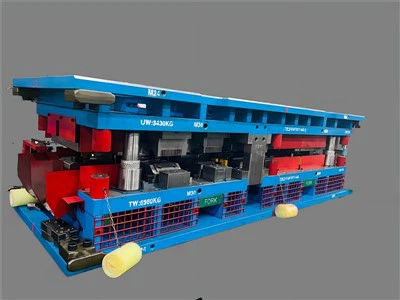
CNC turning parts are widely used in various industries, including the automotive industry. In the automotive sector, precision is of utmost importance, and out - of - tolerance parts can lead to serious safety issues. We also offer related products such as Automotive Metal Stamping Die, Automotive Progressive Die, and Progressive casting die to meet the diverse needs of our automotive customers.
Conclusion
Handling the out - of - tolerance situation of CNC turning parts is a complex but essential task for a CNC turning parts supplier. By understanding the causes, detecting the issues early, taking appropriate corrective actions, and implementing preventive measures, we can ensure the quality of our products and meet the expectations of our customers.
If you are in need of high - quality CNC turning parts or any of our related products, we would be delighted to discuss your requirements. Contact us for a detailed quote and to start a fruitful procurement discussion.
References
- "Manufacturing Engineering and Technology" by Serope Kalpakjian and Steven Schmid
- "CNC Programming Handbook" by Mark Albert