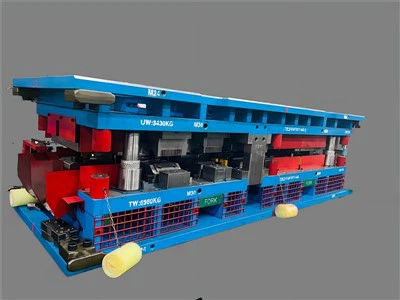
Hey there! As a machined parts supplier, I've been in the game for quite a while, and one of the most crucial aspects in our industry is ensuring the symmetry of machined parts. It's not just about making things look good; it's about functionality, performance, and meeting the high - standards of our customers. So, let's dive into how we can make sure those parts are as symmetrical as possible.
Understanding the Importance of Symmetry
First off, why is symmetry so important? Well, for starters, symmetric parts ensure uniform distribution of stress. When a part is used in a mechanical system, uneven stress distribution can lead to premature wear and tear, and even failure. For example, in an engine, if the pistons aren't symmetric, it can cause imbalances, which will reduce the engine's efficiency and lifespan.
Symmetry also plays a big role in the aesthetic appeal of the final product. In industries where appearance matters, like consumer electronics or automotive design, symmetric parts contribute to a sleek and professional look.
Design Phase: The Foundation of Symmetry
The journey to symmetric machined parts starts right at the design phase. When creating the blueprint for a part, it's essential to use high - quality design software. Programs like AutoCAD or SolidWorks allow us to precisely define the dimensions and geometries of the part. These tools have built - in features that can help us ensure symmetry. For instance, we can use mirroring functions to create symmetric shapes easily.
We also need to work closely with our customers during this phase. They might have specific requirements or applications in mind that could affect the symmetry of the part. By having open communication, we can make sure that the design meets all their needs while maintaining the desired symmetry.
Material Selection
The choice of material can have a significant impact on the symmetry of the machined part. Different materials have different properties, such as hardness, ductility, and thermal expansion. For example, if we're machining Brass Parts, brass is relatively soft and easy to machine. However, it also has a higher thermal expansion rate compared to some other metals. This means that during the machining process, if the temperature isn't controlled properly, the part could deform, affecting its symmetry.


We always conduct thorough material testing before starting the machining process. This helps us understand how the material will behave under different machining conditions. We also make sure to source our materials from reliable suppliers to ensure consistent quality.
Machining Process
Precision Machining Equipment
Investing in high - precision machining equipment is a must. CNC (Computer Numerical Control) machines are the go - to for achieving accurate and symmetric parts. CNC Precision Machined Parts are known for their high level of accuracy. These machines use computer - controlled movements to cut, drill, and shape the material. They can repeat the same operations with extreme precision, which is crucial for maintaining symmetry.
Tooling
The right tools are also essential for symmetric machining. We use sharp and high - quality cutting tools. Dull tools can cause uneven cuts, which will lead to asymmetry. We regularly inspect and replace our tools to ensure they're in top condition.
Fixturing
Proper fixturing is often overlooked but is vital for symmetry. Fixtures hold the part in place during the machining process. If the fixture isn't designed correctly, the part can move or shift, resulting in an asymmetric finish. We design custom fixtures for each part to ensure a secure and stable hold.
Quality Control
Once the machining is done, we have a rigorous quality control process in place. We use a variety of measuring tools, such as calipers, micrometers, and coordinate measuring machines (CMMs). These tools allow us to measure the dimensions of the part with high precision. We check for any deviations from the design specifications and make sure that the part is symmetric within the acceptable tolerance range.
We also conduct visual inspections. Sometimes, there might be surface defects or minor irregularities that can affect the overall symmetry of the part. By having a trained eye, we can catch these issues early on.
Post - Machining Processes
After the initial machining and quality control, we might need to perform some post - machining processes. For example, heat treatment can be used to relieve internal stresses in the part. These stresses can cause the part to deform over time, affecting its symmetry. By carefully controlling the heat treatment process, we can ensure that the part remains stable and symmetric.
Surface finishing is another important post - machining step. Processes like polishing or coating can not only improve the appearance of the part but also help to correct any minor surface irregularities that could affect symmetry.
Continuous Improvement
The manufacturing industry is constantly evolving, and so are our methods for ensuring symmetry. We stay up - to - date with the latest technologies and best practices. We also encourage feedback from our customers. If they notice any issues with the symmetry of the parts we supply, we take it as an opportunity to learn and improve our processes.
Conclusion
Ensuring the symmetry of machined parts is a multi - step process that involves careful planning, the right materials, precision machining, and strict quality control. As a machined parts supplier, we're committed to delivering high - quality, symmetric parts to our customers. Whether it's Turned Parts or any other type of machined component, we use the latest techniques and technologies to meet their needs.
If you're in the market for machined parts and want to ensure the highest level of symmetry, don't hesitate to reach out to us. We'd love to discuss your project and see how we can help you get the perfect parts for your application.
References
- "Manufacturing Engineering & Technology" by Serope Kalpakjian and Steven R. Schmid
- "CNC Programming Handbook" by Peter Smid