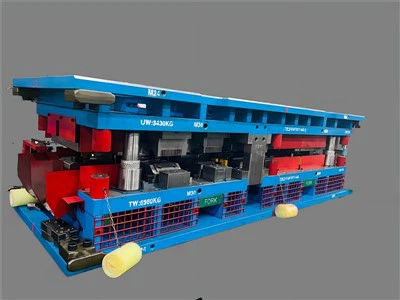
High speed stamping with pre-coated materials is a sophisticated manufacturing process that combines the precision of stamping technology with the unique properties of pre-coated materials. As a high speed stamping supplier, I have witnessed firsthand the intricacies and benefits of this process. In this blog, I will delve into how high speed stamping works with pre-coated materials, exploring the process, challenges, and advantages.


Understanding Pre-Coated Materials
Pre-coated materials are metal sheets that have been coated with a layer of paint, powder, or other protective substances before the stamping process. These coatings can serve various purposes, such as enhancing corrosion resistance, improving aesthetics, or providing electrical insulation. Common types of pre-coated materials include pre-painted steel, galvanized steel with a polymer coating, and aluminum with an anodized finish.
The choice of pre-coated material depends on the specific requirements of the final product. For example, in the automotive industry, pre-painted steel is often used for body panels to provide a durable and attractive finish. In the electronics industry, materials with anti-static or electromagnetic shielding coatings may be preferred.
The High Speed Stamping Process
High speed stamping is a manufacturing technique that uses a stamping press to form metal parts at a rapid rate. The process typically involves the following steps:
- Material Feeding: The pre-coated material is fed into the stamping press in a continuous strip. This is usually done using a feeder system that ensures precise and consistent feeding of the material.
- Die Design and Setup: A high speed stamping die is designed to shape the pre-coated material into the desired part. The die consists of two main components: the punch and the die block. The punch is the male part of the die that applies force to the material, while the die block is the female part that provides the shape. The die must be carefully designed and set up to ensure accurate and repeatable stamping.
- Stamping Operation: The stamping press applies a high force to the punch, which in turn presses the pre-coated material against the die block. This force causes the material to deform and take the shape of the die. The stamping process can involve various operations, such as blanking, piercing, bending, and forming.
- Part Ejection: Once the stamping operation is complete, the formed part is ejected from the die. This is usually done using a stripper plate or other ejection mechanism.
- Quality Control: After stamping, the parts are inspected for quality. This may involve visual inspection, dimensional measurement, and testing of the coating properties. Any defective parts are removed from the production line.
Challenges in High Speed Stamping with Pre-Coated Materials
While high speed stamping with pre-coated materials offers many benefits, it also presents some challenges. One of the main challenges is maintaining the integrity of the coating during the stamping process. The high forces and friction involved in stamping can cause the coating to crack, peel, or wear off, which can affect the appearance and performance of the final product.
To overcome this challenge, several measures can be taken. First, the die design must be optimized to minimize the stress on the coating. This may involve using smooth surfaces, rounded edges, and proper lubrication. Second, the stamping process parameters, such as the punching speed, force, and clearance, must be carefully controlled to ensure that the coating is not damaged. Third, special coatings or surface treatments can be applied to the die to reduce friction and improve the release of the part.
Another challenge is ensuring the alignment and registration of the pre-coated material during the stamping process. Any misalignment can result in inaccurate part dimensions and poor coating quality. To address this issue, advanced feeding and positioning systems are used to ensure precise and consistent feeding of the material. Additionally, optical sensors and vision systems can be employed to monitor the alignment and make real-time adjustments if necessary.
Advantages of High Speed Stamping with Pre-Coated Materials
Despite the challenges, high speed stamping with pre-coated materials offers several advantages over traditional stamping methods. Some of the key advantages include:
- Cost Savings: Pre-coated materials eliminate the need for post-stamping painting or coating operations, which can significantly reduce the production cost. Additionally, high speed stamping allows for high-volume production, which further reduces the cost per part.
- Improved Quality: The pre-coated materials provide a uniform and high-quality finish, which enhances the appearance and durability of the final product. The coating also provides protection against corrosion, wear, and other environmental factors.
- Increased Productivity: High speed stamping enables rapid production of parts, which increases the overall productivity of the manufacturing process. This is particularly beneficial for high-volume production applications.
- Design Flexibility: The combination of high speed stamping and pre-coated materials allows for greater design flexibility. Complex shapes and features can be easily formed, and the coating can be customized to meet the specific requirements of the product.
Applications of High Speed Stamping with Pre-Coated Materials
High speed stamping with pre-coated materials is widely used in various industries, including automotive, electronics, appliances, and construction. Some of the common applications include:
- Automotive Industry: Pre-coated steel is used for body panels, chassis components, and interior parts. The high speed stamping process allows for the mass production of these parts with high precision and quality.
- Electronics Industry: Pre-coated materials are used for electronic enclosures, connectors, and circuit boards. The coating provides protection against electromagnetic interference and corrosion.
- Appliance Industry: Pre-painted steel is used for the outer shells of appliances, such as refrigerators, washing machines, and ovens. The high speed stamping process ensures a consistent and attractive finish.
- Construction Industry: Pre-coated aluminum and steel are used for roofing, siding, and structural components. The coating provides protection against weathering and corrosion.
Conclusion
High speed stamping with pre-coated materials is a powerful manufacturing process that offers many benefits in terms of cost savings, quality, productivity, and design flexibility. As a high speed stamping supplier, we are committed to providing our customers with high-quality stamped parts using the latest technology and techniques. If you are interested in learning more about our high speed stamping services or have a specific project in mind, please feel free to contact us for a consultation. We look forward to working with you to meet your manufacturing needs.
References
- "Metal Stamping Handbook" by George E. Dieter
- "High Speed Stamping Technology" by John T. Black
- "Pre-Coated Metals: Properties, Applications, and Processing" by David A. Shifler