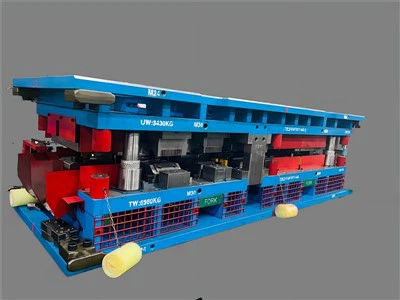
Hey there! I'm an automotive tooling supplier, and I've been in this industry for quite some time. Over the years, I've seen firsthand how automotive tooling can have a massive impact on the quality of automotive products. So, I thought I'd share my thoughts on this topic with you all.

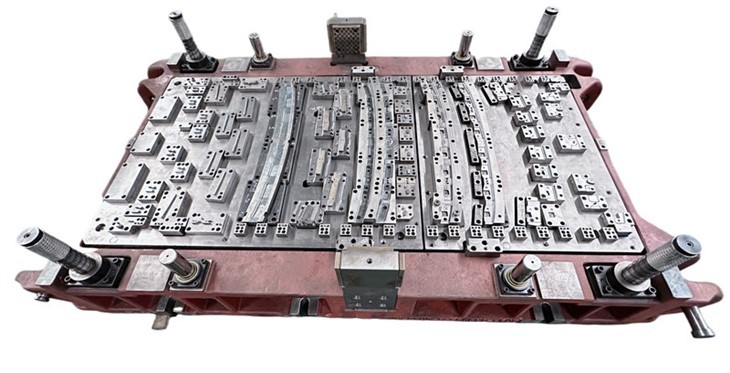
First off, let's talk about what automotive tooling actually is. In simple terms, automotive tooling refers to the tools, dies, and molds used in the manufacturing process of automotive components. This includes everything from Transfer Die and Progressive casting die to Sheet Metal Progressive Tool Design. These tools are crucial because they help shape and form the various parts that go into making a car.
One of the most significant ways automotive tooling affects product quality is through precision. When you're making automotive parts, even the slightest deviation from the design specifications can lead to major problems. For example, if a part is supposed to fit precisely into another component, but it's off by just a fraction of a millimeter, it can cause issues with assembly, performance, and safety. High - quality automotive tooling is designed to produce parts with extremely high precision. The better the tooling, the more accurately it can cut, shape, and form the metal or other materials used in automotive manufacturing. This means that the parts will fit together perfectly, reducing the likelihood of rattles, vibrations, or other mechanical problems down the line.
Another aspect is consistency. In the automotive industry, mass production is the norm. You need to be able to produce thousands, if not millions, of the same part with the same level of quality. Automotive tooling plays a key role in ensuring this consistency. A well - designed and well - maintained tool can produce identical parts time after time. This is important because it allows for efficient assembly processes. If each part is consistent, the assembly line can run smoothly, and workers don't have to waste time adjusting or re - working parts that don't meet the standards. It also helps with quality control. When parts are consistent, it's easier to identify any outliers or defective products during the inspection process.
The durability of automotive tooling also impacts product quality. Tooling that wears out quickly can lead to inconsistent part production. As the tooling starts to degrade, the parts it produces may start to deviate from the design specifications. For instance, if a cutting tool becomes dull, it may not cut the metal as cleanly, resulting in rough edges or inaccurate dimensions. This can affect the overall performance and appearance of the automotive product. On the other hand, high - quality, durable tooling can withstand the rigors of continuous use. It can maintain its precision and consistency over a long period, which means that the parts produced will also maintain a high level of quality.
Now, let's talk about cost - effectiveness. While high - quality automotive tooling may have a higher upfront cost, it can actually save money in the long run. When you use sub - standard tooling, you're more likely to have a higher rate of defective products. These defective parts need to be scrapped or re - worked, which adds to the production cost. Additionally, if the tooling breaks down frequently, it can cause downtime on the production line, resulting in lost productivity and revenue. Investing in good tooling reduces the likelihood of these issues. It may cost more initially, but the savings from reduced waste, fewer production delays, and better - performing products make it a worthwhile investment.
The material used in automotive tooling also matters. Different materials have different properties, and these properties can affect the quality of the parts produced. For example, some tool steels are known for their high hardness and wear resistance. Using these materials in tooling can result in longer - lasting tools that can produce high - quality parts. Other materials may be better suited for specific manufacturing processes. For instance, some polymers or composites may be used in tooling for certain non - critical components where weight and cost are important factors. Choosing the right material for the tooling is essential to ensure that it can perform its function effectively and produce parts of the desired quality.
Automotive tooling also affects the surface finish of the parts. A smooth surface finish is not only important for the aesthetics of the automotive product but also for its performance. For example, a smooth surface on an engine component can reduce friction, which in turn can improve fuel efficiency and reduce wear. Good tooling can create a smooth surface finish during the manufacturing process. It can cut, grind, or polish the material in such a way that the surface meets the required standards. This not only enhances the overall look of the car but also contributes to its functionality and longevity.
In addition to the technical aspects, the design of automotive tooling can influence product quality. A well - designed tool takes into account the specific requirements of the automotive part. It considers factors such as the material properties, the manufacturing process, and the assembly requirements. For example, a Transfer Die is designed to transfer the workpiece from one station to another during the stamping process. A good design ensures that the transfer is smooth and accurate, which is crucial for producing high - quality stamped parts. Similarly, Progressive casting die and Sheet Metal Progressive Tool Design are optimized to perform multiple operations in a single pass, which can improve efficiency and quality.
Maintenance of automotive tooling is also a critical factor. Even the best - made tooling will eventually wear out if it's not properly maintained. Regular maintenance, such as cleaning, lubrication, and inspection, can extend the life of the tooling and ensure that it continues to produce high - quality parts. For example, if a die is not cleaned regularly, debris can build up, which can affect its performance and the quality of the parts it produces. By investing in proper maintenance, automotive manufacturers can keep their tooling in top condition and maintain the quality of their products.
As an automotive tooling supplier, I understand the importance of providing our customers with the best possible tooling solutions. We work closely with automotive manufacturers to understand their specific needs and design tooling that meets their requirements. Whether it's a custom - designed Transfer Die for a unique stamping application or a Progressive casting die for high - volume production, we're committed to delivering tooling that enhances the quality of automotive products.
If you're in the automotive manufacturing business and you're looking for high - quality automotive tooling, I encourage you to contact us. We have a team of experts who can help you select the right tooling for your specific needs. We offer a wide range of tooling options, from standard designs to fully custom - made solutions. By choosing us as your tooling supplier, you can be confident that you're getting the best in terms of precision, consistency, durability, and cost - effectiveness. Let's work together to improve the quality of your automotive products and make your manufacturing processes more efficient.
References:
- "Automotive Manufacturing Technology" by various industry experts
- Industry research reports on automotive tooling and quality control
- Technical papers from automotive engineering conferences