A blown fuse in a microwave oven can have a significant impact on its lifespan, and as a supplier of Microwave Oven Dies, I've seen firsthand how electrical issues can affect the overall performance and longevity of these essential kitchen appliances. In this blog post, I'll delve into the science behind blown fuses, their effects on microwave ovens, and how you can mitigate these problems to extend the lifespan of your microwave.
Understanding the Role of Fuses in Microwave Ovens
Fuses are safety devices designed to protect electrical circuits from overcurrent conditions. In a microwave oven, fuses act as a safeguard against excessive current flow that could damage the internal components or even pose a fire hazard. When the current exceeds the rated capacity of the fuse, it "blows," or melts, interrupting the electrical circuit and preventing further damage.
There are several types of fuses used in microwave ovens, including thermal fuses and current fuses. Thermal fuses are sensitive to temperature changes and will blow if the oven overheats. Current fuses, on the other hand, are designed to respond to excessive electrical current. Both types of fuses play a crucial role in protecting the microwave oven from electrical failures.
How a Blown Fuse Affects a Microwave Oven's Lifespan
When a fuse blows in a microwave oven, it can have immediate and long-term effects on the appliance's lifespan. Here's a closer look at how a blown fuse can impact your microwave:
Immediate Impact
- Loss of Functionality: The most obvious effect of a blown fuse is that the microwave oven will stop working. Without a functioning fuse, the electrical circuit is interrupted, and the oven cannot receive power. This means you won't be able to heat or cook your food using the microwave.
- Potential Damage to Other Components: A blown fuse can sometimes be a symptom of a more significant electrical problem in the microwave oven. If the fuse blows due to an overcurrent condition, it's possible that other components in the circuit, such as the magnetron or the power supply, may have been damaged. In some cases, the blown fuse may be a warning sign of a more serious issue that could lead to further damage if not addressed promptly.
Long-Term Impact
- Increased Wear and Tear: When a fuse blows, it can cause the microwave oven to experience sudden power surges and fluctuations. These electrical disturbances can put additional stress on the internal components of the oven, leading to increased wear and tear over time. This can shorten the lifespan of the microwave and increase the likelihood of future breakdowns.
- Reduced Efficiency: A microwave oven that has experienced a blown fuse may not operate as efficiently as it did before. The electrical problems that caused the fuse to blow can affect the performance of the oven, resulting in longer cooking times and higher energy consumption. Over time, this can lead to increased energy costs and a less efficient kitchen appliance.
Common Causes of Blown Fuses in Microwave Ovens
There are several factors that can cause a fuse to blow in a microwave oven. Here are some of the most common causes:
- Overloading the Circuit: Plugging too many appliances into the same electrical circuit can cause the circuit to overload, leading to a blown fuse. Make sure to use a dedicated circuit for your microwave oven and avoid plugging other high-power appliances into the same outlet.
- Faulty Components: A malfunctioning component in the microwave oven, such as a defective magnetron or a short circuit, can cause an overcurrent condition and blow the fuse. If you suspect that a component in your microwave is faulty, it's important to have it repaired or replaced by a qualified technician.
- Power Surges: Power surges can occur when there is a sudden increase in electrical voltage, such as during a lightning storm or when a large appliance is turned on or off. These power surges can damage the internal components of the microwave oven and cause the fuse to blow. Using a surge protector can help protect your microwave from power surges.
- Age and Wear: Over time, the internal components of a microwave oven can wear out, leading to electrical problems and blown fuses. If your microwave is old or has been used extensively, it may be more prone to fuse failures.
Mitigating the Effects of a Blown Fuse
If you experience a blown fuse in your microwave oven, there are several steps you can take to mitigate the effects and extend the lifespan of your appliance:
- Replace the Fuse: The first step is to replace the blown fuse with a new one of the same rating. Make sure to use a high-quality fuse that is compatible with your microwave oven. If you're not comfortable replacing the fuse yourself, it's best to have it done by a qualified technician.
- Check for Other Electrical Problems: Once you've replaced the fuse, it's important to check for other electrical problems in the microwave oven. Look for signs of damage or wear on the internal components, such as frayed wires or burnt-out resistors. If you notice any issues, have them repaired or replaced by a professional.
- Use a Surge Protector: To protect your microwave oven from power surges, consider using a surge protector. A surge protector can help prevent damage to the internal components of the oven by diverting excess electrical voltage to the ground.
- Maintain Your Microwave Oven: Regular maintenance can help keep your microwave oven in good working condition and prevent fuse failures. Clean the interior of the oven regularly to remove food debris and spills, and make sure to use the oven according to the manufacturer's instructions.
The Importance of Quality Microwave Oven Dies
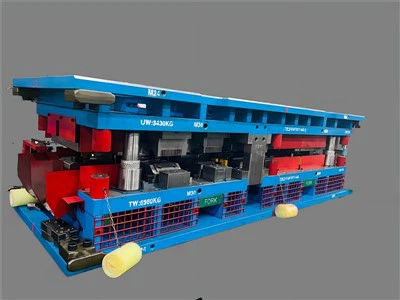
As a supplier of Microwave Oven Dies, I understand the importance of using high-quality dies in the manufacturing process. Quality dies ensure that the components of the microwave oven are produced with precision and accuracy, which can help improve the overall performance and reliability of the appliance.
In addition to Microwave Oven Dies, we also offer a range of other stamping dies for home appliances, including Gas Stove Die and Progressive Die Tooling. Our Progressive Die Metal Stamping services are designed to meet the specific needs of our customers and provide high-quality components for a variety of home appliances.
Conclusion
A blown fuse can have a significant impact on the lifespan of a microwave oven. By understanding the role of fuses in microwave ovens, the common causes of blown fuses, and how to mitigate their effects, you can take steps to extend the lifespan of your appliance and keep it running smoothly for years to come.
If you're in the market for high-quality Microwave Oven Dies or other stamping dies for home appliances, I encourage you to contact us to discuss your specific needs. Our team of experts is dedicated to providing the best products and services to our customers, and we look forward to working with you.

References
- "Microwave Oven Troubleshooting Guide." Appliance Repair Clinic.
- "How to Replace a Fuse in a Microwave Oven." DIY Appliance Repairs.
- "The Importance of Fuses in Electrical Circuits." Electrical Safety Foundation International.