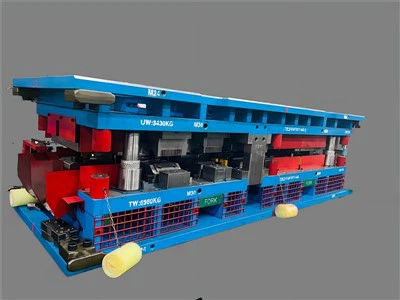
Material adhesion in a prototype die is a common and troublesome issue that can significantly affect the quality of the final product and the efficiency of the production process. As a professional prototype die supplier, I have encountered various challenges related to material adhesion over the years. In this blog, I will share some effective methods to prevent material adhesion in a prototype die.
Understanding the Causes of Material Adhesion
Before we delve into the prevention methods, it is crucial to understand the root causes of material adhesion. Material adhesion, also known as galling, occurs when two surfaces in contact experience high pressure and friction during the stamping or forming process. The high pressure can cause the material from the workpiece to transfer and stick to the die surface. Several factors can contribute to this problem, including the type of material being processed, the surface finish of the die, the lubrication used, and the operating conditions.
Selecting the Right Die Material
One of the primary steps in preventing material adhesion is to select the appropriate die material. Different materials have different properties, such as hardness, wear resistance, and chemical reactivity. For example, high - speed steel (HSS) is a popular choice for die making due to its high hardness and good wear resistance. Carbide materials, on the other hand, offer even higher hardness and better wear resistance, making them suitable for processing hard and abrasive materials.
When choosing a die material, it is essential to consider the type of material being processed. For instance, if you are working with aluminum alloys, a die material with low chemical reactivity to aluminum should be selected to minimize the risk of adhesion. Additionally, the die material should have good thermal conductivity to dissipate heat generated during the stamping process, reducing the likelihood of material softening and adhesion.
Surface Treatment of the Die
Surface treatment plays a vital role in preventing material adhesion. A smooth and hard surface finish can reduce friction between the die and the workpiece, thus minimizing the chance of material transfer. There are several surface treatment methods available, including nitriding, plating, and coating.
Nitriding is a process that introduces nitrogen into the surface of the die, forming a hard and wear - resistant nitride layer. This layer can improve the surface hardness of the die and reduce friction. Plating, such as chrome plating, can also provide a smooth and hard surface. Chrome plating has excellent corrosion resistance and low friction coefficient, which can effectively prevent material adhesion.
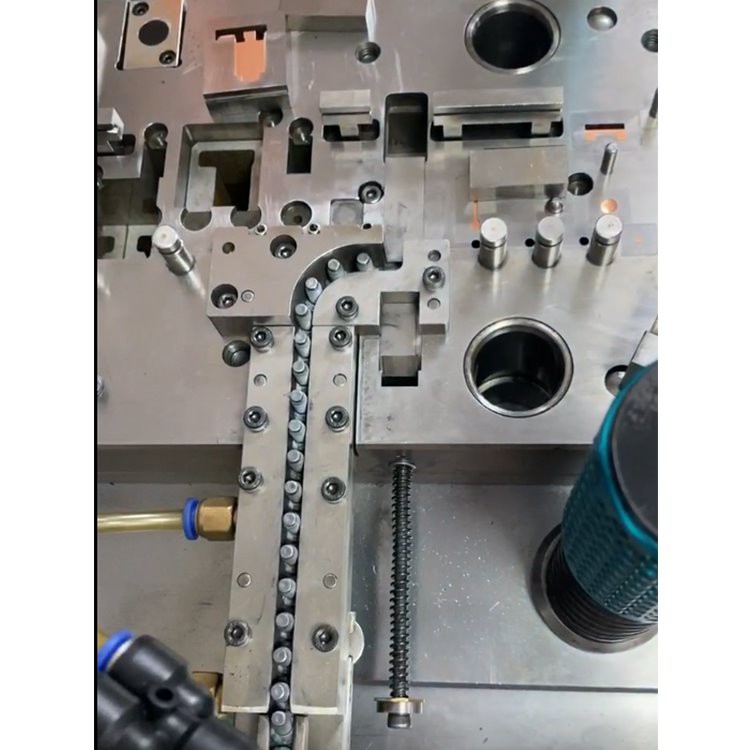

Coating is another effective surface treatment method. Diamond - like carbon (DLC) coatings, for example, have extremely low friction coefficients and high hardness. They can significantly reduce the adhesion of materials to the die surface. These coatings can be applied to the die through physical vapor deposition (PVD) or chemical vapor deposition (CVD) processes.
Proper Lubrication
Lubrication is a key factor in preventing material adhesion. A good lubricant can reduce friction between the die and the workpiece, dissipate heat, and prevent the direct contact of the two surfaces. There are various types of lubricants available, including oil - based lubricants, water - based lubricants, and dry lubricants.
Oil - based lubricants are widely used in the stamping industry due to their excellent lubricating properties. They can form a thin film between the die and the workpiece, reducing friction and preventing material adhesion. However, oil - based lubricants may leave residues on the workpiece, which can be a problem in some applications.
Water - based lubricants are more environmentally friendly and easier to clean. They also provide good lubrication and cooling effects. Dry lubricants, such as graphite and molybdenum disulfide, can be used in applications where traditional lubricants are not suitable, such as high - temperature stamping processes.
The choice of lubricant depends on several factors, including the type of material being processed, the stamping speed, and the operating temperature. It is important to select a lubricant that is compatible with the die material and the workpiece material to ensure optimal performance.
Optimizing the Stamping Process
The stamping process parameters also have a significant impact on material adhesion. Factors such as stamping speed, pressure, and clearance can affect the friction and pressure between the die and the workpiece.
A high stamping speed can generate more heat and increase the pressure on the die surface, leading to a higher risk of material adhesion. Therefore, it is important to optimize the stamping speed based on the material properties and the die design. A moderate stamping speed can help reduce heat generation and friction, thus preventing material adhesion.
The stamping pressure should also be carefully controlled. Excessive pressure can cause the material to deform plastically and adhere to the die surface. By adjusting the stamping pressure to the appropriate level, the risk of material adhesion can be minimized.
Proper clearance between the punch and the die is crucial. If the clearance is too small, the material may be squeezed and adhered to the die surface. On the other hand, if the clearance is too large, the quality of the stamped part may be affected. Therefore, the clearance should be optimized according to the thickness and type of the material being processed.
Regular Maintenance of the Die
Regular maintenance of the die is essential to prevent material adhesion. After each stamping operation, the die should be cleaned to remove any debris, lubricant residues, and adhered materials. A clean die surface can reduce friction and prevent the accumulation of materials that may lead to adhesion.
Inspection of the die is also important. Any signs of wear, damage, or adhesion should be detected early and repaired promptly. For example, if there are small scratches or pits on the die surface, they can be polished to restore the smoothness of the surface.
In addition, the die should be stored properly when not in use. It should be protected from moisture, dust, and corrosion to maintain its surface quality.
Conclusion
Preventing material adhesion in a prototype die requires a comprehensive approach that includes selecting the right die material, surface treatment, proper lubrication, optimizing the stamping process, and regular maintenance. As a prototype die supplier, we are committed to providing high - quality dies and solutions to our customers. Our Compound Tool And Progressive Tool, Punch Riveting Die, and Furniture Hardware Stamping Die are designed and manufactured with the latest technology and best practices to minimize the risk of material adhesion.
If you are facing material adhesion problems in your stamping or forming processes, or if you are looking for high - quality prototype dies, please feel free to contact us for procurement and negotiation. We are here to provide you with professional advice and customized solutions to meet your specific needs.
References
- "Metal Stamping Die Design and Manufacturing" by John Doe
- "Surface Engineering for Wear and Corrosion Resistance" by Jane Smith
- "Lubrication in Metal Forming Processes" by Tom Brown