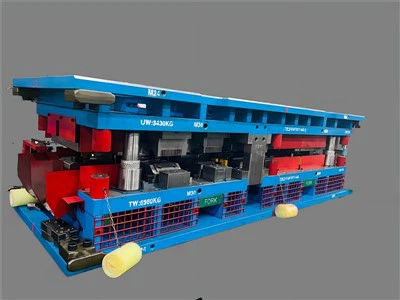
Solving Problems with a Prototype Die
As a supplier of Prototype Dies, I've witnessed firsthand the transformative power these tools bring to the manufacturing process. Prototype dies play a crucial role in product development, allowing companies to test and refine their designs before committing to full - scale production. In this blog, I'll explore how you can effectively solve problems using a prototype die and the benefits it offers.
Understanding Prototype Dies
Before delving into problem - solving, it's essential to understand what a Prototype Die is. A Prototype Die is a specialized tool used in metal stamping and other manufacturing processes. It is designed to create a sample or prototype of a product, enabling designers and engineers to evaluate its form, fit, and function. Prototype dies are typically made with less expensive materials and quicker manufacturing processes compared to production - level dies, making them a cost - effective option for initial testing.
Problem Identification
The first step in solving problems with a prototype die is to identify the issues at hand. These problems can range from design flaws to manufacturing inefficiencies. For example, a design may have a structural weakness that becomes apparent when the prototype is created. Or, the manufacturing process may be too slow or costly, which can be identified through the prototype die production.
One common problem in product development is the misalignment of parts. When multiple components need to fit together precisely, a prototype die can reveal if the current design allows for proper alignment. If misalignment is detected, adjustments can be made to the design of the die or the product itself.
Another issue could be the quality of the stamped parts. Surface defects, such as scratches or burrs, can affect the functionality and aesthetics of the final product. By using a prototype die, these quality issues can be identified early on, and the die can be modified to improve the stamping process.
Design Optimization
Once the problems are identified, the next step is to optimize the design using the prototype die. This involves making adjustments to the die's shape, size, or features to address the issues. For instance, if the misalignment problem is due to the shape of the die cavity, the cavity can be redesigned to ensure proper alignment of the parts.
Design optimization also includes improving the manufacturability of the product. A prototype die can help determine if the design can be manufactured efficiently. If the stamping process is too complex or time - consuming, the design can be simplified. This may involve reducing the number of operations or changing the shape of the part to make it easier to stamp.
The use of a prototype die allows for rapid iteration of the design. Designers can quickly make changes to the die and produce new prototypes to test the effectiveness of the modifications. This iterative process helps in achieving the best possible design in a relatively short period.
Cost Savings
One of the significant benefits of using a prototype die to solve problems is cost savings. By identifying and solving issues early in the product development cycle, companies can avoid costly mistakes in full - scale production. For example, if a design flaw is not detected until mass production, it can result in significant losses due to wasted materials, labor, and production time.
A prototype die is also more cost - effective to produce than a production - level die. Since it is used for testing purposes, it can be made with less expensive materials and simpler manufacturing processes. This allows companies to test multiple design concepts without incurring high costs.
Process Improvement
In addition to design optimization, a prototype die can be used to improve the manufacturing process. For example, it can help determine the optimal stamping force, speed, and lubrication requirements. By testing different process parameters with the prototype die, manufacturers can find the most efficient and effective way to produce the parts.
The Progressive Tool Sheet Metal process is often used in conjunction with prototype dies. Progressive tooling allows for multiple stamping operations to be performed in a single pass, which can significantly increase the production speed. A prototype die can be used to test the progressive tooling design and make adjustments to improve its performance.
Quality Assurance
Quality assurance is a critical aspect of product development, and a prototype die plays a vital role in this process. By producing prototypes with the die, manufacturers can conduct thorough inspections to ensure that the parts meet the required quality standards.
A Punch Riveting Die is an example of a specialized prototype die that can be used for quality assurance. It can be used to test the riveting process and ensure that the rivets are properly installed and provide the necessary strength. If any quality issues are detected, the die can be adjusted to improve the riveting process.
Collaboration and Communication
Using a prototype die also facilitates collaboration and communication among different teams involved in the product development process. Designers, engineers, and manufacturers can work together to analyze the prototypes and discuss the solutions to the identified problems.


The physical prototype created by the die provides a tangible object for discussion. It is easier for team members to understand the issues and propose solutions when they can see and touch the prototype. This collaborative approach helps in making informed decisions and ensures that all aspects of the product development are considered.
Conclusion
In conclusion, a prototype die is an invaluable tool in solving problems during product development. It allows for early identification of design flaws, optimization of the design, cost savings, process improvement, quality assurance, and better collaboration. As a Prototype Die supplier, I understand the importance of these benefits and strive to provide high - quality prototype dies to our customers.
If you are facing challenges in product development and believe that a prototype die could be the solution, I encourage you to reach out to us. We have the expertise and experience to help you design and produce a prototype die that meets your specific needs. Whether you are looking to optimize your design, improve your manufacturing process, or ensure the quality of your products, our prototype dies can be a valuable asset. Contact us today to start the conversation about how we can assist you in solving your product development problems.
References
- "Metal Stamping Handbook" by John Doe
- "Product Design for Manufacturability" by Jane Smith
- Industry reports on product development and die - making processes.