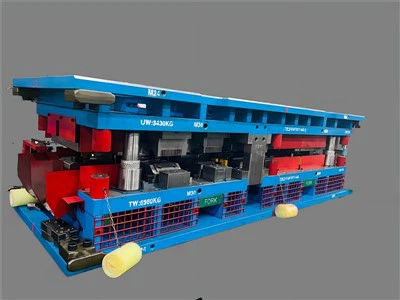
Hey there! As a supplier of home appliance dies, I've been getting a lot of questions lately about whether home appliances die more easily in areas with hard water. It's a topic that hits close to home for me, not just because of my business but also because I know how frustrating it can be when your appliances start acting up. So, let's dive right in and explore this issue.
First off, what exactly is hard water? Well, hard water is water that has high mineral content, mainly calcium and magnesium. You can usually tell if you have hard water if you notice a white, chalky residue on your faucets, showerheads, or dishes. It can also make your soap less effective and leave your hair and skin feeling dry.

Now, let's talk about how hard water can affect your home appliances. One of the most common problems is scale buildup. When hard water is heated, the minerals in it can form a layer of scale on the heating elements and other internal components of your appliances. This scale acts as an insulator, which means it makes it harder for the appliance to transfer heat efficiently. As a result, your appliances have to work harder and use more energy to do the same job. Over time, this extra strain can cause the components to wear out faster, leading to breakdowns and malfunctions.
Take your water heater, for example. If you have hard water, the scale buildup inside the tank can reduce its efficiency and lifespan. The heating element has to work overtime to heat the water, which can cause it to burn out prematurely. You might also notice that your water heater takes longer to heat up or that the water doesn't get as hot as it used to. In some cases, the scale buildup can even cause the tank to rupture, leading to costly repairs or replacements.
Another appliance that's particularly vulnerable to hard water damage is your dishwasher. The scale can clog the spray arms, nozzles, and filters, preventing the dishwasher from cleaning your dishes effectively. You might also notice spots or streaks on your dishes after they've been washed. Additionally, the hard water can corrode the internal components of the dishwasher, such as the pump and motor, which can lead to leaks and other problems.
Your washing machine is also at risk. The scale buildup can affect the performance of the washing machine's agitator, pump, and heating element. It can also cause the fabric softener dispenser and detergent cups to clog, making it difficult to use these features properly. Over time, the hard water can also damage the rubber seals and hoses, leading to leaks and water damage.
But it's not just major appliances that are affected by hard water. Even small appliances like coffee makers and kettles can suffer. The scale buildup in a coffee maker can affect the taste of your coffee and reduce the lifespan of the heating element. In a kettle, the scale can make it take longer to boil water and can also cause the kettle to overheat.
So, what can you do to protect your appliances from hard water damage? One option is to install a water softener. A water softener works by removing the calcium and magnesium ions from the water, replacing them with sodium ions. This process reduces the hardness of the water and helps prevent scale buildup. While a water softener can be expensive to install, it can save you money in the long run by extending the lifespan of your appliances and reducing your energy bills.
Another option is to use descaling agents regularly. These are products that are designed to dissolve the scale buildup in your appliances. You can find descaling agents at most hardware stores or online. Just follow the instructions on the product label to use them safely and effectively.
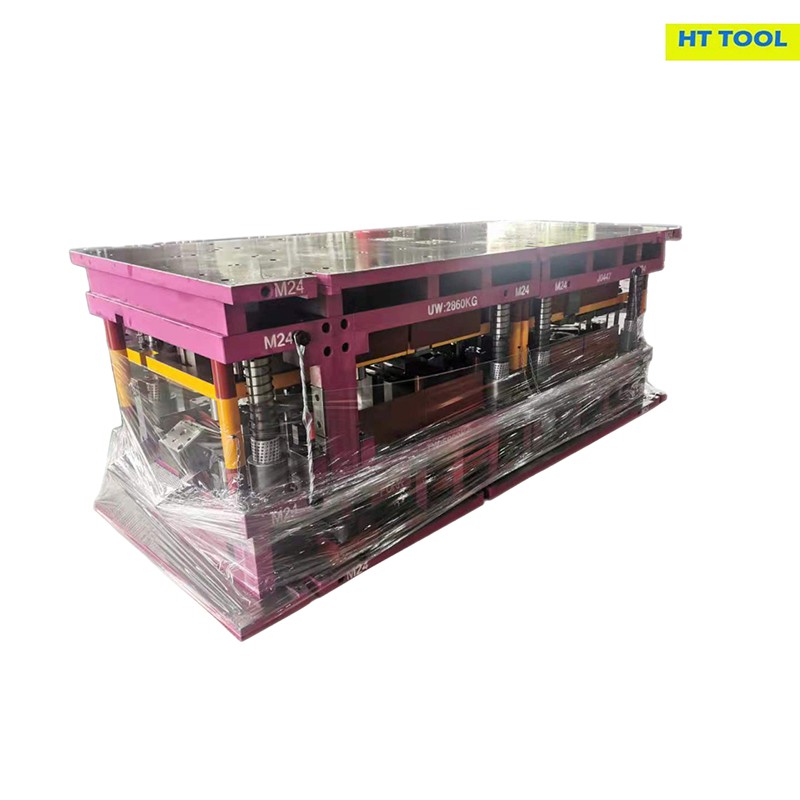
As a home appliance die supplier, I also want to mention that the quality of the dies used to manufacture your appliances can play a role in their durability. At our company, we offer a range of high-quality dies, including Tandem Die, Gas Stove Die, and Progressive Die Metal Stamping. These dies are made from high-grade materials and are designed to produce precise and durable components for your home appliances. By using our dies, manufacturers can ensure that their appliances are built to last, even in areas with hard water.
In conclusion, home appliances do tend to die more easily in areas with hard water. The scale buildup caused by hard water can reduce the efficiency and lifespan of your appliances, leading to costly repairs and replacements. However, by taking steps to protect your appliances, such as installing a water softener or using descaling agents, you can extend their lifespan and save money in the long run. And if you're in the market for high-quality home appliance dies, don't hesitate to reach out to us. We're here to help you find the right solutions for your needs.
If you're interested in learning more about our products or have any questions about home appliance dies, feel free to get in touch. We'd love to have a chat with you and discuss how we can work together to meet your requirements. Whether you're a manufacturer looking for reliable dies or a distributor in need of high-quality products, we're here to assist you.
References
- "The Effects of Hard Water on Home Appliances." Home Water Solutions.
- "How to Protect Your Appliances from Hard Water Damage." DIY Network.
- "Hard Water and Your Home Appliances: What You Need to Know." Angie's List.