In the dynamic world of manufacturing, high speed stamping has long been associated with metal materials. However, a question that often arises in industry discussions is whether high speed stamping can be effectively used for non - metal materials. As a high speed stamping supplier, I've delved deep into this topic to provide a comprehensive analysis.
Understanding High Speed Stamping
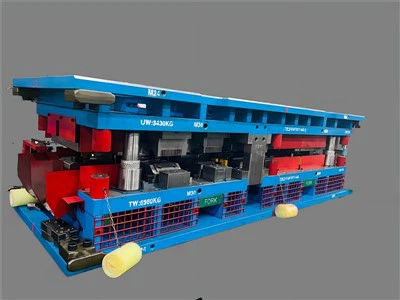
High speed stamping is a manufacturing process that involves the use of a stamping press to form or cut materials at a rapid pace. This process is highly efficient, capable of producing a large number of parts in a short period. It relies on precision dies to shape the materials accurately. For instance, High Precision Stamping Die are engineered to ensure the exact dimensions and quality of the stamped parts.
The traditional applications of high speed stamping have predominantly been in the metal industry. Metals such as steel, aluminum, and copper are commonly stamped to create components for automotive, electronics, and aerospace industries. The reasons for its popularity in metal stamping are clear: metals have relatively high ductility, which allows them to be deformed without cracking during the stamping process. They also have good strength and can withstand the high forces exerted by the stamping press.
Feasibility of High Speed Stamping for Non - Metal Materials
Non - metal materials encompass a wide range of substances, including plastics, rubber, composites, and ceramics. Each of these materials has unique properties that determine their suitability for high speed stamping.
Plastics
Plastics are one of the most promising non - metal materials for high speed stamping. Many plastics have a certain degree of flexibility and can be easily formed under pressure. For example, polyethylene and polypropylene are widely used in the packaging industry. High speed stamping can be used to cut and shape plastic sheets into various forms, such as containers, lids, and gaskets. The key advantage of stamping plastics is the ability to produce parts with high precision and consistency. However, it is essential to consider the melting point and heat resistance of the plastic. During high speed stamping, friction between the die and the plastic can generate heat, which may cause the plastic to melt or deform if not properly controlled.
Rubber
Rubber is another non - metal material that can potentially be stamped at high speeds. Rubber has excellent elasticity, which allows it to return to its original shape after being deformed. This property makes it suitable for applications such as seals and gaskets. When stamping rubber, the die design must be carefully considered to ensure that the rubber is not over - compressed or torn. Additionally, the temperature control during stamping is crucial, as excessive heat can cause the rubber to lose its elasticity.
Composites
Composites are materials made by combining two or more different substances to achieve specific properties. For example, carbon fiber composites are known for their high strength - to - weight ratio. High speed stamping of composites can be challenging due to their heterogeneous nature. The fibers in the composite may not be evenly distributed, which can lead to inconsistent stamping results. However, with advanced die design and process control, it is possible to stamp composites to create complex shapes. Progressive Sheet Metal Dies can be adapted to handle composite materials, allowing for a continuous stamping process.
Ceramics
Ceramics are generally more brittle than other non - metal materials, which makes high speed stamping a difficult task. Ceramics have a low fracture toughness, meaning they are prone to cracking under stress. However, in some cases, special ceramic materials with improved ductility can be stamped. For example, some advanced ceramics used in electronics can be stamped to create small components. The stamping process for ceramics requires extremely precise control of the forces and temperatures to avoid damage to the material.
Advantages of High Speed Stamping Non - Metal Materials
There are several advantages to using high speed stamping for non - metal materials. Firstly, it offers high productivity. Similar to metal stamping, high speed stamping of non - metals can produce a large number of parts in a short time, which is beneficial for mass production. Secondly, it provides high precision. The use of precision dies ensures that the stamped non - metal parts have consistent dimensions and quality. This is particularly important in industries where tight tolerances are required, such as the electronics industry. Thirdly, high speed stamping can reduce material waste. The stamping process is designed to use the material efficiently, cutting and shaping it with minimal scrap.
Challenges and Solutions
Despite the potential benefits, there are significant challenges in high speed stamping non - metal materials. One of the main challenges is the wear and tear of the dies. Non - metal materials can be abrasive, especially composites and ceramics, which can cause rapid wear of the die surface. To address this issue, special coatings can be applied to the die to increase its hardness and reduce friction. Another challenge is the heat generation during stamping. As mentioned earlier, excessive heat can cause damage to non - metal materials. Cooling systems can be installed in the stamping press to dissipate the heat and maintain a stable temperature.
Case Studies
To illustrate the practical application of high speed stamping for non - metal materials, let's look at some case studies.
A plastic manufacturing company was looking to increase the production of plastic packaging components. By implementing high speed stamping technology, they were able to increase their production rate by 30%. The use of Prototype Die allowed them to quickly test different designs and optimize the stamping process. The precision of the stamping also improved the quality of the plastic parts, reducing the number of defective products.
In the rubber industry, a company specializing in rubber seals used high speed stamping to produce gaskets for automotive engines. The stamping process was carefully optimized to control the pressure and temperature, resulting in seals with consistent dimensions and excellent sealing performance. This not only improved the product quality but also reduced the production cost.


Conclusion
In conclusion, high speed stamping can indeed be used for non - metal materials, although it presents unique challenges compared to metal stamping. With the right combination of material selection, die design, and process control, high speed stamping of non - metals can offer significant advantages in terms of productivity, precision, and cost - effectiveness.
If you are interested in exploring high speed stamping solutions for your non - metal material needs, I encourage you to reach out for a procurement discussion. Our team of experts is ready to work with you to develop customized stamping solutions that meet your specific requirements.
References
- "Manufacturing Processes for Engineering Materials" by Serope Kalpakjian and Steven R. Schmid
- "Plastics Processing Technology" by Osswald, Turng, and Gramann
- "Rubber Technology: Compounding, Testing, and Applications" by Werner Hofmann