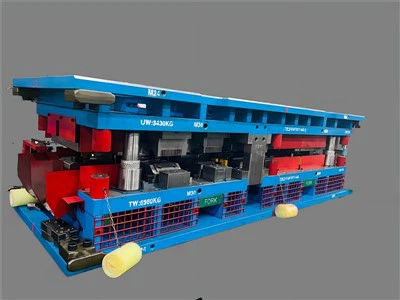
Brass, an alloy composed primarily of copper and zinc, has long been a favored material in various industries due to its unique combination of properties. As a leading supplier of brass parts, I often encounter inquiries regarding the suitability of brass parts for musical instruments. In this blog post, I will delve into the characteristics of brass that make it an excellent choice for musical applications, explore the types of musical instruments that commonly use brass parts, and discuss the manufacturing processes involved in creating high - quality brass components for these instruments.
Characteristics of Brass that Suit Musical Instruments
Brass possesses several properties that are highly beneficial for musical instruments. First and foremost, its malleability is a significant advantage. Malleability allows brass to be easily shaped into complex forms, which is crucial for creating the intricate designs of musical instruments. Whether it's the curved bell of a trumpet or the coiled tubing of a French horn, brass can be precisely manipulated to achieve the desired shape.
Another important characteristic is its acoustic properties. Brass has a rich, warm tone that is highly desirable in musical instruments. When air is blown through a brass instrument, the vibrations produced within the brass body create a distinct sound. The density and elasticity of brass contribute to the production of clear, resonant tones across a wide range of frequencies. This makes brass instruments suitable for a variety of musical genres, from classical to jazz and beyond.
Brass also has good corrosion resistance. Musical instruments are often exposed to moisture from the player's breath, as well as environmental factors. The ability of brass to resist corrosion ensures that the instruments maintain their structural integrity and tonal quality over time. This durability is essential for both professional musicians who rely on their instruments for performances and students who are learning to play.
Types of Musical Instruments Using Brass Parts
A wide variety of musical instruments incorporate brass parts. Trumpets, trombones, French horns, and tubas are some of the most well - known brass instruments. In these instruments, the entire body is typically made of brass. The brass tubing is carefully crafted to specific dimensions to produce the correct pitch and tone. For example, in a trumpet, the length and diameter of the tubing determine the range of notes that can be played.
Valves and slides are also important brass components in these instruments. Valves, such as those found on trumpets and French horns, are used to change the length of the tubing, thereby altering the pitch of the notes. These valves need to be precisely machined to ensure smooth operation. Slides, like those on trombones, allow the player to adjust the length of the tubing continuously, providing a unique glissando effect.
In addition to traditional brass instruments, other musical devices also use brass parts. Percussion instruments like cymbals can have brass components. Some modern electronic musical instruments may also incorporate brass parts for aesthetic or functional reasons. For example, brass accents can enhance the appearance of a keyboard or a synthesizer, while brass connectors may be used for electrical conductivity.
Manufacturing Processes for Brass Parts in Musical Instruments
The manufacturing of brass parts for musical instruments involves several precise processes. One of the initial steps is casting. In casting, molten brass is poured into a mold to create the basic shape of the part. This process is used to produce components such as the body of a trumpet or the bell of a French horn. The mold must be carefully designed to ensure that the final part has the correct dimensions and shape.
After casting, the parts undergo machining operations. Machining is used to refine the shape, smooth the surfaces, and create the necessary holes and grooves. For example, turning operations can be used to create the cylindrical shape of a valve, while milling can be used to cut the slots for the valve springs. Precision machining is crucial to ensure that the parts fit together properly and function correctly.
Finishing processes are also important for brass parts in musical instruments. Polishing is often done to give the parts a smooth, shiny appearance. This not only enhances the aesthetic appeal of the instrument but also helps to protect the brass from corrosion. Additionally, plating or coating may be applied to further improve the durability and corrosion resistance of the parts.
Quality Control in Brass Part Manufacturing for Musical Instruments
As a brass parts supplier, we understand the importance of quality control in the production of components for musical instruments. Every step of the manufacturing process is closely monitored to ensure that the parts meet the highest standards.
We start by carefully selecting the raw materials. The quality of the brass alloy has a direct impact on the acoustic properties and durability of the final instrument. We source our brass from reputable suppliers and conduct thorough material testing to ensure its quality.
During the manufacturing process, we use advanced inspection techniques. This includes dimensional inspection using precision measuring tools such as calipers and micrometers to ensure that the parts meet the specified tolerances. We also conduct functional tests on components such as valves and slides to ensure that they operate smoothly.
Final inspection is carried out before the parts are shipped to the customer. This involves a visual inspection to check for any surface defects, as well as a final quality check to ensure that the parts are ready for assembly into musical instruments.
Related Products and Their Applications
In addition to brass parts for musical instruments, we also offer a range of other machined parts. For example, Self - clinching Flush Fasteners are used in various industries for secure and flush mounting of components. These fasteners are designed to provide a strong, reliable connection without protruding above the surface, which is ideal for applications where a smooth appearance is required.
Aluminum Machining Component is another product in our portfolio. Aluminum is a lightweight and corrosion - resistant material, making it suitable for applications where weight is a concern. In the context of musical instruments, aluminum components can be used in some parts of electronic instruments or in cases where a lighter alternative to brass is desired.
Self - clinching Nuts are useful for creating threaded connections in thin - sheet materials. They are easy to install and provide a strong, permanent thread in a variety of applications, including those in the musical instrument industry where they can be used for attaching components.


Conclusion and Invitation to Contact
In conclusion, brass parts are not only suitable but also highly desirable for musical instruments. Their unique combination of malleability, acoustic properties, and corrosion resistance makes them an ideal choice for creating high - quality instruments. As a trusted brass parts supplier, we are committed to providing the best - quality components for the musical instrument industry.
If you are in the market for brass parts for your musical instruments or any of our other machined products, we invite you to contact us for a discussion. Our team of experts is ready to assist you in finding the right solutions for your specific needs. Whether you are a musical instrument manufacturer looking for reliable components or a musician in need of replacement parts, we can provide the high - quality products you require.
References
- "The Physics of Musical Instruments" by Fletcher, Neville H., and Thomas D. Rossing.
- "Musical Instrument Design and Acoustics" by Backus, John.
- Industry standards and research papers on brass alloy properties and manufacturing processes.