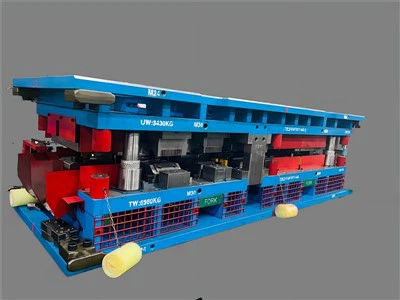
As a seasoned provider of prototype dies, I often encounter a crucial question from clients: "Can a prototype die be used in high-temperature environments?" This query isn't just a simple yes or no; it delves into the heart of material science, engineering precision, and practical application. In this blog, I'll share my industry insights and knowledge to shed light on this complex topic.
Understanding Prototype Dies
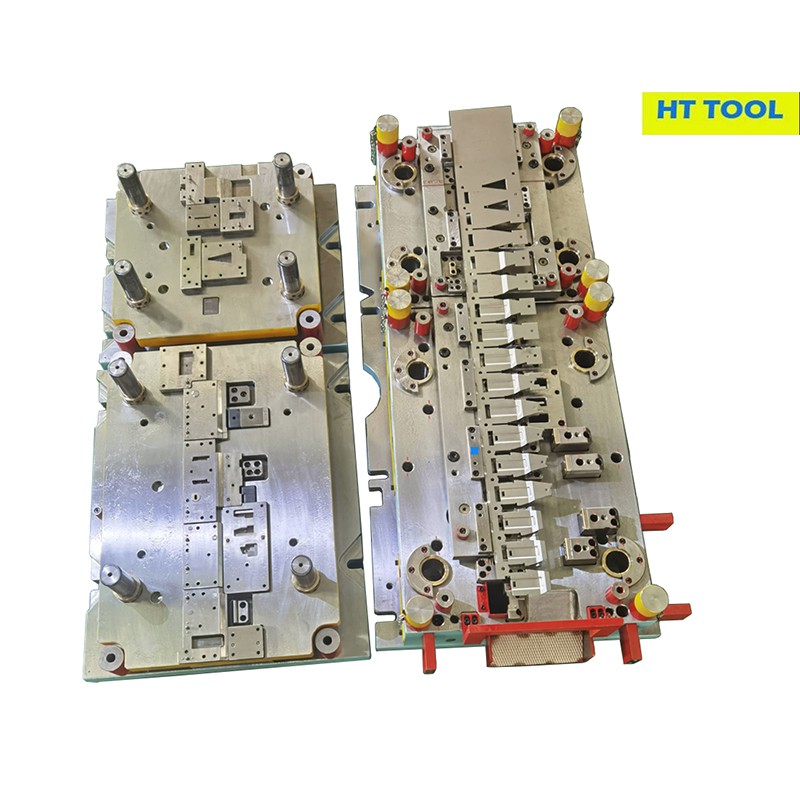
Before we explore the suitability of prototype dies in high-temperature settings, it's essential to understand what prototype dies are. Prototype dies are tools used to create initial samples of a die for various manufacturing processes. They are the first step in the production of parts, allowing for the testing of designs, materials, and manufacturing methods before full-scale production. As a prototype die supplier, my role is to develop high-quality dies that meet the specific needs of each client, whether it's for high speed stamping die, Metal Stamping Tool And Die, or Furniture Hardware Stamping Die.
Factors Affecting a Prototype Die's Performance in High Temperatures
Several factors determine whether a prototype die can withstand high temperatures.
Material Selection
The choice of material is paramount. Different die materials have different heat resistance capabilities. For instance, tool steels are commonly used for prototype dies due to their hardness and wear resistance. However, not all tool steels are created equal when it comes to high-temperature performance. High-speed steels (HSS) contain alloying elements such as tungsten, molybdenum, and vanadium, which enhance their ability to maintain hardness and strength at elevated temperatures. On the other hand, some carbon steels may lose their hardness and deform under high heat, making them unsuitable for high-temperature applications.
Heat Treatment
Proper heat treatment can significantly improve a die's performance in high-temperature environments. Processes like quenching and tempering can enhance the die's hardness, toughness, and heat resistance. By carefully controlling the heating and cooling rates, we can optimize the die's microstructure to withstand thermal stresses. For example, a well-tempered die will have better resistance to thermal cracking, which is a common failure mode in high-temperature applications.
Design Considerations
The design of the prototype die also plays a crucial role. A well-designed die should have proper heat dissipation channels to prevent heat buildup. This can be achieved through the use of cooling holes or fins. Additionally, the die's geometry should be optimized to minimize stress concentration points, which can lead to premature failure under thermal stress. For example, sharp corners and edges should be avoided as they can act as stress raisers.
Advantages of Using Prototype Dies in High-Temperature Environments
Despite the challenges, there are several advantages to using prototype dies in high-temperature settings.
Material Formability
High temperatures can improve the formability of certain materials. For instance, some metals become more ductile at elevated temperatures, allowing for more complex and precise shaping during the stamping or forming process. This can lead to higher-quality parts and reduced material waste.
Increased Production Efficiency
In some cases, using prototype dies in high-temperature environments can increase production efficiency. For example, hot stamping processes can reduce the number of forming steps required to produce a part, leading to faster cycle times and lower production costs.
Challenges and Limitations
However, there are also significant challenges and limitations to using prototype dies in high-temperature settings.
Wear and Tear
High temperatures can accelerate the wear and tear of the die. The combination of heat and mechanical stress can cause the die's surface to erode, leading to a decrease in part quality and an increase in maintenance costs. Additionally, thermal expansion and contraction can cause the die to warp or deform, further affecting its performance.
Thermal Fatigue
Thermal fatigue is another major concern. Repeated heating and cooling cycles can cause the die to develop cracks over time. These cracks can propagate and eventually lead to the failure of the die, resulting in costly downtime and production losses.

Case Studies
To illustrate the practical implications of using prototype dies in high-temperature environments, let's look at some case studies.
Case Study 1: High-Speed Stamping in a Hot Environment
A client in the automotive industry was looking to produce high-strength steel parts using high speed stamping die in a hot environment. We recommended using a high-speed steel die with a special heat treatment to enhance its heat resistance. The die was designed with cooling channels to dissipate heat effectively. As a result, the client was able to achieve high production rates while maintaining part quality, despite the challenging high-temperature conditions.
Case Study 2: Metal Stamping Tool And Die for Aerospace Applications
In the aerospace industry, precision is of utmost importance. A client needed a Metal Stamping Tool And Die to produce titanium parts in a high-temperature environment. We used a titanium alloy die material known for its excellent high-temperature strength and corrosion resistance. The die was designed with a sophisticated internal cooling system to prevent heat buildup. The client was very satisfied with the die's performance, which met the strict quality and precision requirements of the aerospace industry.
Conclusion
In conclusion, whether a prototype die can be used in high-temperature environments depends on a variety of factors, including material selection, heat treatment, and design. While there are challenges and limitations, with the right approach, prototype dies can be effectively used in high-temperature settings, offering advantages such as improved material formability and increased production efficiency.
If you're in need of a prototype die for high-temperature applications, I encourage you to reach out to discuss your specific requirements. Our team of experts is dedicated to providing customized solutions that meet your needs. Contact us today to start the conversation about your next project.
References
- ASM Handbook Volume 4: Heat Treating, ASM International
- Tool and Manufacturing Engineers Handbook, Society of Manufacturing Engineers
- Metal Forming Handbook: Processes and Applications, Carl Hanser Verlag