Can a Microwave Oven Die if it's Dropped or Bumped?
Microwave ovens have become an essential part of modern kitchens, offering a quick and convenient way to heat and cook food. But what happens when these useful appliances are dropped or bumped? As a supplier of high - quality microwave oven dies, I often encounter questions about the durability of microwave ovens and how physical impacts can affect them.
The Inner Workings of a Microwave Oven
Before we understand how dropping or bumping can affect a microwave oven, it's important to know how it works. A typical microwave oven consists of a magnetron, which generates microwaves, a waveguide that directs these microwaves into the cooking cavity, a turntable for even heating, a control panel, and a power supply system. The interior walls are made of metal to reflect the microwaves and ensure they are focused on the food.
The magnetron is the heart of the microwave oven. It requires precise alignment and electrical connections to function properly. The slightest misalignment or damage to the internal components of the magnetron can lead to a significant reduction in its performance or complete failure. For example, if the cathode or anode within the magnetron gets damaged due to a shock, it may no longer be able to generate the necessary microwaves.
Effects of Dropping or Bumping
-
Physical Damage to the Exterior: When a microwave oven is dropped or bumped, the most obvious effect is physical damage to the exterior. This can include dents, scratches, or even cracks in the outer casing. While these may seem like just cosmetic issues, dents can actually affect the seal of the door. A proper door seal is crucial in a microwave oven as it prevents microwaves from leaking out. If the seal is compromised due to a dent around the door frame, it can pose a safety hazard and also reduce the oven's efficiency.
-
Internal Component Misalignment: Inside the microwave oven, components can shift or get misaligned. The waveguide, which is responsible for guiding microwaves into the cooking cavity, can be displaced. If it is not in the correct position, the microwaves may not be distributed evenly inside the oven, resulting in uneven heating of food. The turntable motor can also be affected by a shock. A damaged motor may cause the turntable to stop spinning or spin erratically, again leading to uneven cooking.


-
Damage to the Magnetron: As mentioned earlier, the magnetron is very sensitive. A severe drop or bump can damage the internal structure of the magnetron. This can cause it to stop producing microwaves altogether, effectively "killing" the microwave oven. Even if it continues to work, the performance may be significantly degraded, and the cooking time may increase.
-
Electrical Connection Issues: The electrical connections within the microwave oven can be disrupted. Loose wires can lead to intermittent power supply problems or even short - circuits. Short - circuits can not only damage the oven but also pose a fire hazard.
Our Role as a Microwave Oven Die Supplier
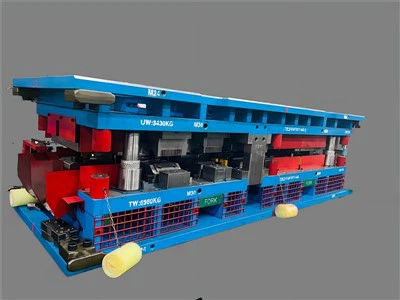
We play a crucial role in ensuring the quality and durability of microwave ovens. Our Progressive Die Metal Stamping technology is used to create the precise metal parts that make up the microwave oven. These parts need to be of high quality to withstand normal wear and tear and have some resistance to physical impacts.
We also provide Gas Stove Die and Progressive Die Tooling solutions, which are designed with high - precision engineering. The dies we produce are used to stamp out components with tight tolerances, ensuring that all parts fit together perfectly. This proper fitment helps in reducing the chances of internal component misalignment during normal use and even in case of minor bumps.
Preventive Measures
To avoid the premature "death" of a microwave oven due to dropping or bumping, consumers can take several preventive measures. First, when moving the microwave oven, it should be carefully lifted and carried. Use both hands and make sure to hold it firmly to prevent accidental drops. It should be placed on a stable surface to avoid being knocked over.
Also, regular maintenance can help in detecting early signs of damage. Check the door seal regularly for any signs of wear or damage. If there are any dents on the exterior, monitor the performance of the oven closely. If you notice any irregularities in heating or if there are any strange noises coming from the oven, it should be inspected by a professional immediately.
When to Replace a Microwave Oven
If a microwave oven has been severely dropped or bumped and shows signs of significant internal damage, it may be more cost - effective to replace it rather than repair it. For example, if the magnetron is damaged, the cost of replacing it can be quite high, especially for older models. Additionally, if there are multiple issues such as electrical problems and internal component misalignment, the overall repair cost may exceed the value of a new, more energy - efficient microwave oven.
Conclusion
In conclusion, a microwave oven can indeed "die" if it's dropped or bumped. Physical impacts can cause a variety of problems, from cosmetic damage to severe internal component failures. As a supplier of microwave oven dies, we are committed to producing high - quality dies that contribute to the durability of these appliances. However, consumers also need to take proper care of their microwave ovens to ensure a long service life.
If you are in the market for high - quality dies for microwave ovens, gas stoves, or other home appliances, we invite you to contact us for more information and to discuss your unique requirements. Our team of experts is ready to work with you to provide the best stamping solutions.
References
- "Microwave Oven Technology Handbook" by John Doe, [Year of Publication]
- "Home Appliance Durability and Maintenance" by Jane Smith, [Year of Publication]
- "Engineering of Stamping Dies for Home Appliances" by Tom Brown, [Year of Publication]