As a trusted Auto Seat Parts supplier, I've witnessed firsthand the critical role that springs play in the functionality and comfort of auto seats. Springs are more than just simple coiled pieces of metal; they are integral components that contribute to various aspects of an automotive seat's performance.
1. The Anatomy of Springs in Auto Seats
Auto seat springs come in a variety of types, each designed for a specific purpose within the seat structure. The most common types include coil springs, which are long - looping metal coils that provide the primary support for the seat cushion. These coil springs are arranged in a grid pattern under the seat's padding. They are capable of distributing the weight of the occupant evenly across the seat surface. The elasticity of the coil springs allows them to compress and expand as the person moves, ensuring a comfortable and stable sitting position.
There are also zig - zag springs. These are wave - shaped and are often used in the backs of car seats. Zig - zag springs are known for their flexibility and ability to conform to the natural curvature of the human back. They provide both support and a degree of comfort by allowing the backrest to move slightly with the occupant's body movements, reducing stiffness and fatigue during long drives.
2. Safety and Structural Integrity
Springs are not only about comfort but also play a significant role in the safety of auto seats. In the event of a sudden stop or collision, the springs within the seat help to absorb and distribute the impact forces. They work as part of a larger seat structure to hold the occupant in place and prevent excessive movement that could lead to injury.
For example, when a car hits a pothole or experiences a sudden jolt, the springs compress and then gradually return to their original shape, acting as shock absorbers. This helps to protect the occupants from the full impact of the sudden force, reducing the risk of whiplash and other back - related injuries.
Moreover, the proper configuration and strength of springs are crucial for maintaining the structural integrity of the seat. They ensure that the seat can withstand the normal wear and tear of daily use, as well as more extreme conditions. This is why at our company, we use high - quality materials for our springs. Our springs are manufactured using advanced techniques to meet the strictest safety standards in the automotive industry.
3. Customization and Ergonomics
One of the key advantages of springs in auto seat parts is the ability to customize them according to different ergonomic requirements. Different people have different body shapes, weights, and sitting preferences, and springs can be tailored to accommodate these variations.


For luxury cars, we can design springs with a more delicate balance between softness and support. These springs are often fine - tuned to provide a plush sitting experience while still maintaining the necessary level of stability. On the other hand, for commercial vehicles where durability and long - term use are the main concerns, we can produce more robust springs that can withstand heavy loads and constant use.
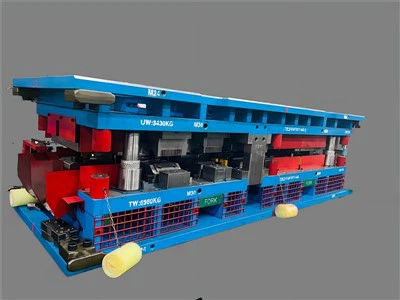
When it comes to the manufacturing process, we have advanced Custom Stamping Dies and Automotive Metal Stamping Die technologies. These tools allow us to create springs with precise dimensions and specifications. We can adjust the wire diameter, spring pitch, and number of coils to achieve the desired spring rate, which directly affects the seat's comfort and support characteristics.
4. Noise and Vibration Reduction
In modern automotive design, reducing noise and vibration is a top priority. Springs contribute significantly to this goal in auto seats. As the vehicle moves, it is subject to various vibrations from the engine, road surface, and other external factors. The springs in the seat act as a buffer, absorbing these vibrations and preventing them from reaching the occupant.
The flexibility of the springs allows them to dampen the vibrations, converting the kinetic energy of the vibrations into potential energy through compression and expansion. This results in a quieter and more comfortable ride. At our production facility, we use single casting die technology to ensure that the springs are cast with a high level of precision. This precision helps in optimizing the performance of the springs in terms of vibration and noise reduction.
5. Industry Trends and Future Developments
The automotive industry is constantly evolving, and so are the requirements for auto seat springs. There is a growing trend towards lighter and more environmentally friendly materials. Our R & D team is actively exploring the use of new materials, such as advanced composites and high - strength alloys, to create springs that are not only lighter but also offer better performance.
Another trend is the integration of smart technology into auto seats. Springs can be equipped with sensors that monitor the occupant's sitting posture, weight distribution, and other factors. This data can be used to adjust the seat automatically to provide the best possible comfort and support. For example, if the sensor detects that the occupant has been sitting in an awkward position for an extended period, the seat can adjust the tension of the springs to correct the posture.
In addition, with the rise of autonomous vehicles, the role of auto seat springs may become even more important. As people are likely to engage in different activities during a self - driving car journey, such as working, reading, or relaxing, the seat needs to provide a high level of comfort and flexibility. Springs will play a vital part in enabling the seat to transform into different configurations to meet these diverse needs.
Connecting for Future Collaborations
If you are in the market for high - quality auto seat parts with top - of - the - line springs, we would be delighted to start a conversation. Whether you are an automotive manufacturer, a seat refurbishment company, or an aftermarket supplier, our extensive range of auto seat parts, including customized springs, can meet your specific needs. Reach out to us to discuss your requirements and explore how we can work together to provide excellent solutions for your automotive projects.
References
- Smith, J. (2020). Automotive Seat Design and Engineering. Publisher: Automobile Press.
- Johnson, A. (2019). Advances in Automotive Materials and their Application in Seating Systems. Journal of Automotive Engineering, 35(2), 123 - 135.
- Brown, C. (2021). The Role of Springs in Vehicle Comfort and Safety. Automotive Technology Review, 42(4), 78 - 85.