As a prominent stamping parts supplier, one of the most frequently asked questions we encounter from our clients is about the lead times for stamping parts production. Understanding lead times is crucial for both suppliers and customers, as it impacts production schedules, inventory management, and overall project timelines. In this blog, we'll delve into the factors that influence the lead times for stamping parts production and provide insights to help you better plan your projects.
Understanding the Basics of Stamping Parts Production
Stamping is a manufacturing process used to produce parts by pressing flat sheet metal into a die. This process can create a wide variety of parts, from simple brackets to complex automotive components. The stamping process typically involves several steps, including design, tooling, blanking, forming, and finishing. Each step has its own set of requirements and can contribute to the overall lead time of the production process.
Factors Affecting Lead Times
Design Complexity
The complexity of the part design is one of the primary factors that influence lead times. Simple parts with basic shapes and features can be designed and produced relatively quickly. On the other hand, parts with intricate geometries, tight tolerances, or special surface finishes require more time for design and engineering. For example, Auto Bracket Parts may have different levels of complexity. A basic bracket with a simple shape can be designed and tooled in a short period, while a bracket with multiple bends, holes, and precise dimensions will take longer to develop.
Tooling
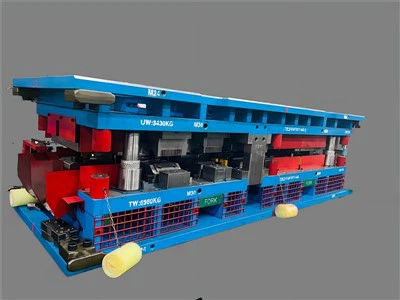
Tooling is another critical factor in stamping parts production. The tooling, which includes dies and molds, needs to be precisely manufactured to ensure the accuracy and quality of the stamped parts. The time required to design and fabricate the tooling depends on its complexity. For complex parts, the tooling may need to undergo multiple iterations and tests to achieve the desired results. In some cases, custom tooling may be required, which can significantly increase the lead time. Generally, the tooling process can take anywhere from a few weeks to several months, depending on the complexity of the part.
Material Availability
The availability of the raw materials also plays a role in determining the lead time. Different metals, such as steel, aluminum, and copper, have different supply chains and lead times. If the required material is in high demand or has limited availability, it may take longer to source. Additionally, the quality and specifications of the material can affect the lead time. For instance, if a particular grade of steel with specific properties is needed for New Energy Vehicles Parts, it may take more time to find a reliable supplier and ensure the material meets the required standards.
Production Volume
The volume of parts to be produced is another significant factor. Small production runs typically have a shorter lead time per part because they require less setup time and fewer resources. However, for large production volumes, the overall lead time may be longer due to the need for continuous production, quality control, and inventory management. For example, if a customer orders a large quantity of Medical and Fiber Optic Parts, the production process may need to be optimized to ensure efficiency and meet the delivery deadline.
Quality Control
Quality control is an essential part of the stamping parts production process. Each part needs to be inspected to ensure it meets the specified quality standards. The level of quality control required depends on the application of the part. For parts used in critical applications, such as medical devices or aerospace components, more rigorous quality control measures are necessary, which can add to the lead time. This includes dimensional inspections, material testing, and surface finish evaluations.
Typical Lead Time Ranges
Based on our experience, the lead times for stamping parts production can vary widely. For simple parts with standard tooling and readily available materials, the lead time can be as short as 2 - 3 weeks. This includes the time for design, tooling setup, and production. However, for complex parts with custom tooling and specialized materials, the lead time can extend to 8 - 12 weeks or even longer.
It's important to note that these are just general estimates, and the actual lead time can be affected by many factors, such as the current workload of the production facility, the availability of skilled labor, and any unforeseen issues that may arise during the production process.
Strategies to Reduce Lead Times
Early Planning
One of the most effective ways to reduce lead times is to start the planning process early. By providing detailed part specifications and design requirements as early as possible, we can begin the design and tooling process promptly. This allows us to identify any potential issues or challenges early on and take proactive measures to address them.
Collaboration
Collaboration between the customer and the supplier is crucial for reducing lead times. By working closely together, we can optimize the design, select the most suitable materials, and develop an efficient production plan. For example, the customer can provide insights into the end - use of the part, which can help us make better decisions about the manufacturing process and quality control measures.
Inventory Management
Maintaining a certain level of inventory for commonly used materials and tooling can also help reduce lead times. By having these items readily available, we can start the production process more quickly when an order is received. However, this requires careful inventory management to balance the cost of holding inventory and the potential savings in lead time.
Conclusion
In conclusion, the lead times for stamping parts production are influenced by a variety of factors, including design complexity, tooling, material availability, production volume, and quality control. As a stamping parts supplier, we are committed to providing our customers with accurate lead time estimates and working with them to minimize the production time. If you are in need of stamping parts for your project, we encourage you to contact us for a detailed quote and to discuss your specific requirements. Our team of experts will work with you to ensure that your project is completed on time and to the highest quality standards.


References
- "Metal Stamping Handbook" by Society of Manufacturing Engineers
- "Manufacturing Engineering and Technology" by Serope Kalpakjian and Steven R. Schmid