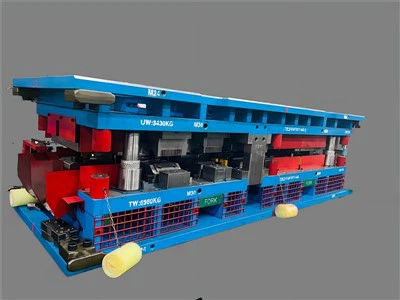
Hey there! As a stamping die supplier, I've been in the game for quite a while, and I've seen firsthand how crucial it is to understand the factors that affect a stamping die's formability. In this blog post, I'm gonna break down these factors and give you a better idea of what goes into making a high - performing stamping die.
Material Properties
The first and most obvious factor is the material of the workpiece. Different materials have different mechanical properties, and these properties can significantly impact the formability of a stamping die.
Strength and Ductility
Materials with high strength can be more challenging to form because they require more force to deform. On the other hand, materials with high ductility can be stretched and bent more easily. For example, aluminum is known for its good ductility, which makes it relatively easy to stamp into complex shapes. Steel, on the other hand, can vary widely in terms of strength and ductility depending on its composition and heat treatment. High - strength steels are becoming more popular in the automotive industry, but they also pose challenges for stamping die formability.
Grain Structure
The grain structure of the material also plays a role. Fine - grained materials generally have better formability than coarse - grained ones. A fine grain structure allows for more uniform deformation during the stamping process, reducing the risk of cracking or tearing. Heat treatment can be used to modify the grain structure of a material to improve its formability.
Die Design
The design of the stamping die is another critical factor. A well - designed die can make the stamping process more efficient and improve the formability of the workpiece.
Die Geometry
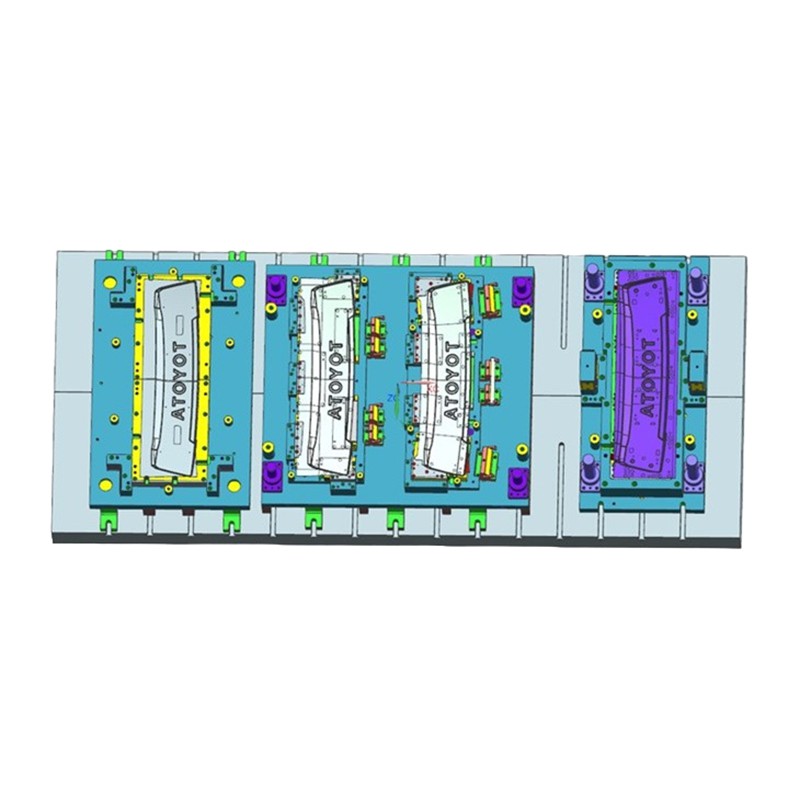
The shape and size of the die cavities and punches are crucial. Sharp corners and edges in the die design can cause stress concentrations in the workpiece, leading to cracking or other defects. Rounded corners and smooth transitions are preferred to distribute the stress more evenly during the stamping process. Also, the clearance between the punch and the die is important. If the clearance is too small, the workpiece may get stuck or damaged. If it's too large, the edges of the stamped part may be rough or uneven.
Lubrication Channels
Proper lubrication is essential for good formability. A stamping die should be designed with lubrication channels to ensure that the workpiece and the die surfaces are well - lubricated during the stamping process. Lubrication reduces friction between the die and the workpiece, which in turn reduces the force required for stamping and helps prevent wear and tear on the die.
Stamping Process Parameters
The parameters of the stamping process itself can have a significant impact on the formability of the stamping die.
Press Force
The amount of force applied by the stamping press is crucial. If the press force is too low, the workpiece may not be fully formed, resulting in incomplete parts. If the press force is too high, it can cause excessive deformation, cracking, or even damage to the die. Finding the right press force requires careful consideration of the material properties, die design, and the desired shape of the stamped part.

Stamping Speed
The speed at which the stamping press operates also matters. A high stamping speed can increase the production rate, but it can also generate more heat and stress in the workpiece and the die. This can lead to reduced formability and increased wear on the die. On the other hand, a very low stamping speed may not be cost - effective. So, finding the optimal stamping speed is a balance between productivity and formability.
Tooling and Equipment
The quality of the tooling and equipment used in the stamping process can affect the formability of the stamping die.
Die Material
The material of the stamping die itself is important. High - quality die materials with good hardness, wear resistance, and toughness are preferred. For example, carbide is a popular choice for stamping dies because of its high hardness and wear resistance. The die material should be able to withstand the high pressures and forces involved in the stamping process without deforming or wearing out too quickly.
Press Condition
The condition of the stamping press is also crucial. A well - maintained press with accurate alignment and proper functioning components is essential for consistent and high - quality stamping. Any misalignment or malfunction in the press can lead to uneven stamping, poor formability, and premature die failure.
Environmental Factors
Believe it or not, the environment in which the stamping process takes place can also affect the formability of the stamping die.
Temperature
Temperature can have a significant impact on the material properties of the workpiece and the die. High temperatures can soften the material, making it easier to form, but it can also cause thermal expansion, which can affect the dimensional accuracy of the stamped part. Low temperatures, on the other hand, can make the material more brittle, increasing the risk of cracking. Controlling the temperature during the stamping process is important for maintaining good formability.
Humidity
Humidity can also affect the stamping process. High humidity can cause corrosion on the die surfaces and the workpiece, which can reduce the formability and the quality of the stamped parts. Proper environmental control, such as using dehumidifiers in the stamping area, can help mitigate these issues.
Conclusion
As you can see, there are many factors that affect the formability of a stamping die. From the material properties of the workpiece to the design of the die, the stamping process parameters, the tooling and equipment, and even the environmental factors, each plays a crucial role. By understanding these factors and taking them into account, we can design and manufacture stamping dies that offer better formability, higher quality stamped parts, and longer die life.
If you're in the market for stamping dies, whether it's for transfer die stamping or other applications, I'd love to have a chat with you. I can help you choose the right die design and materials based on your specific needs and requirements. Don't hesitate to reach out for a consultation and let's start a great partnership in the stamping industry!
References
- Dieter, G. E. (1986). Mechanical Metallurgy. McGraw - Hill.
- Kalpakjian, S., & Schmid, S. R. (2013). Manufacturing Engineering and Technology. Pearson.
- Groover, M. P. (2010). Fundamentals of Modern Manufacturing: Materials, Processes, and Systems. Wiley.