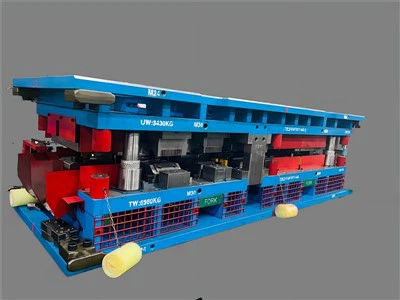
As a supplier of machined parts, I've seen firsthand the ins and outs of the production process. It's a fascinating industry, but it also comes with its fair share of environmental impacts. In this blog, I'll break down some of the key environmental effects associated with producing machined parts and discuss what we can do to mitigate them.
Energy Consumption
One of the most significant environmental impacts of machining parts is the energy required to power the machinery. CNC machines, lathes, mills, and other equipment use a substantial amount of electricity to operate. This energy often comes from non - renewable sources like coal and natural gas, which release greenhouse gases when burned.
For instance, running a high - precision CNC Precision Machined Parts machine for a full day can consume a large amount of power. These machines need to maintain a high level of accuracy, which means they often run at high speeds and with complex operations, all of which demand energy.
To reduce energy consumption, we've started investing in more energy - efficient machinery. Newer models are designed with better motors and control systems that use less power while still delivering the same level of performance. We also schedule our production runs to make the most of off - peak electricity hours when the energy is often cleaner and cheaper.


Waste Generation
Another major environmental concern is waste generation. During the machining process, a lot of material is removed from the raw stock to create the final part. This results in metal chips, shavings, and excess material that are often discarded as waste.
For example, when we're making Self - clinching Nuts, we start with a larger piece of metal and machine it down to the desired shape. A significant amount of the original material ends up as scrap.
To deal with this issue, we've implemented a comprehensive recycling program. We collect all the metal waste and send it to recycling facilities where it can be melted down and reused. This not only reduces the amount of waste going to landfills but also conserves natural resources by reducing the need for new metal extraction.
Chemical Usage
Many machining operations rely on chemicals for various purposes. Cutting fluids are used to cool and lubricate the cutting tools, preventing them from overheating and wearing out quickly. These fluids often contain additives that can be harmful to the environment if not properly managed.
Some cutting fluids may contain heavy metals, oils, and other chemicals that can contaminate soil and water if they're released into the environment. When we're working on Self - clinching Flush Fasteners, we use cutting fluids to ensure a smooth machining process.
To minimize the environmental impact of chemical usage, we've switched to more environmentally friendly cutting fluids. These fluids are biodegradable and have fewer harmful additives. We also have a proper disposal system in place for used cutting fluids. Instead of dumping them, we send them to specialized treatment facilities where they can be safely processed.
Air Pollution
Machining operations can also contribute to air pollution. When metal is being cut, small particles are released into the air. These particles can be inhaled and cause respiratory problems for workers and nearby communities.
In addition, some of the chemicals used in the machining process can evaporate and release volatile organic compounds (VOCs) into the air. VOCs can react with other pollutants in the atmosphere to form smog and contribute to poor air quality.
To address air pollution, we've installed high - efficiency air filtration systems in our production facilities. These systems capture the metal particles and VOCs before they can be released into the air. We also ensure proper ventilation in the workplace to keep the air fresh and clean.
Water Pollution
Water pollution is another concern. As mentioned earlier, cutting fluids are used in machining, and if they make their way into water sources, they can have a negative impact on aquatic life. Additionally, the wastewater generated from cleaning the machinery and parts may contain contaminants such as metal particles and chemicals.
We've set up a wastewater treatment system to remove the contaminants from the water before it's discharged. This system uses a combination of physical, chemical, and biological processes to clean the water and make it safe for the environment.
What Can We Do Moving Forward?
As a machined parts supplier, we have a responsibility to minimize our environmental impact. Here are some of the steps we're planning to take in the future:
- Research and Development: We'll continue to invest in R&D to find new and better ways to produce machined parts with less environmental impact. This could involve developing new manufacturing processes or using more sustainable materials.
- Supply Chain Management: We'll work closely with our suppliers to ensure that the raw materials we use are sourced in an environmentally responsible manner. This includes looking for suppliers who use sustainable mining practices and have a good environmental track record.
- Employee Training: We'll provide more training to our employees on environmental best practices. This will help them understand the importance of environmental protection and encourage them to take steps to reduce waste and energy consumption in their daily work.
Why Choose Us?
If you're in the market for high - quality machined parts, choosing our company means you're making an environmentally conscious choice. We're committed to reducing our environmental footprint while still delivering top - notch products. Our focus on energy efficiency, waste recycling, and responsible chemical usage sets us apart from other suppliers.
Whether you need CNC Precision Machined Parts, Self - clinching Nuts, or Self - clinching Flush Fasteners, we've got you covered. We offer competitive prices, fast turnaround times, and excellent customer service.
If you're interested in learning more about our products or discussing your specific requirements, don't hesitate to reach out to us. We're always happy to have a chat and see how we can meet your needs.
References
- "Manufacturing Engineering and Technology" by S. Kalpakjian and S. Schmid
- Environmental Protection Agency (EPA) reports on industrial pollution and waste management
- Industry research papers on sustainable manufacturing practices in the machining industry